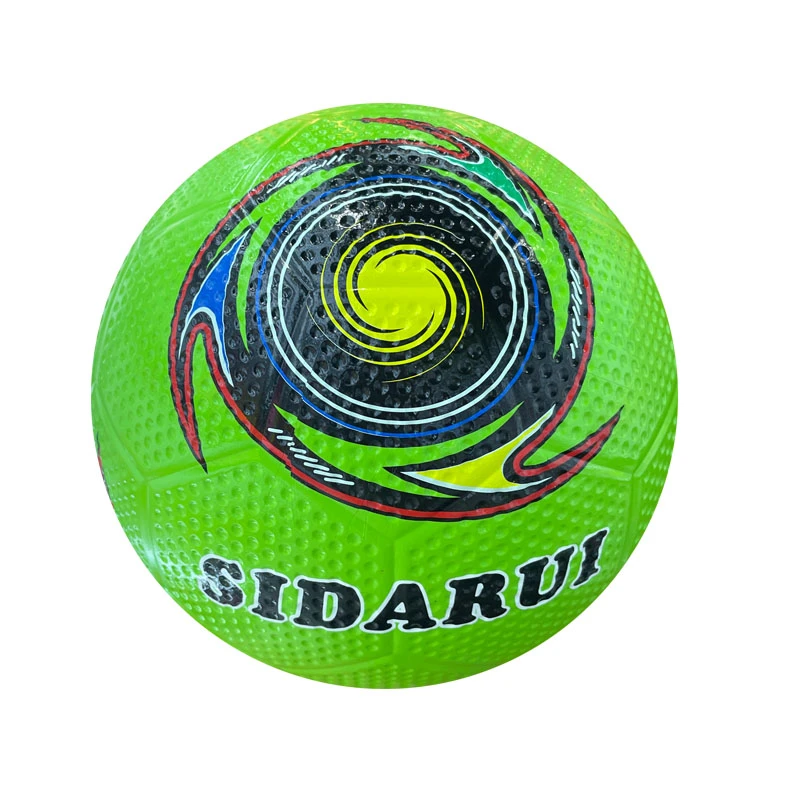
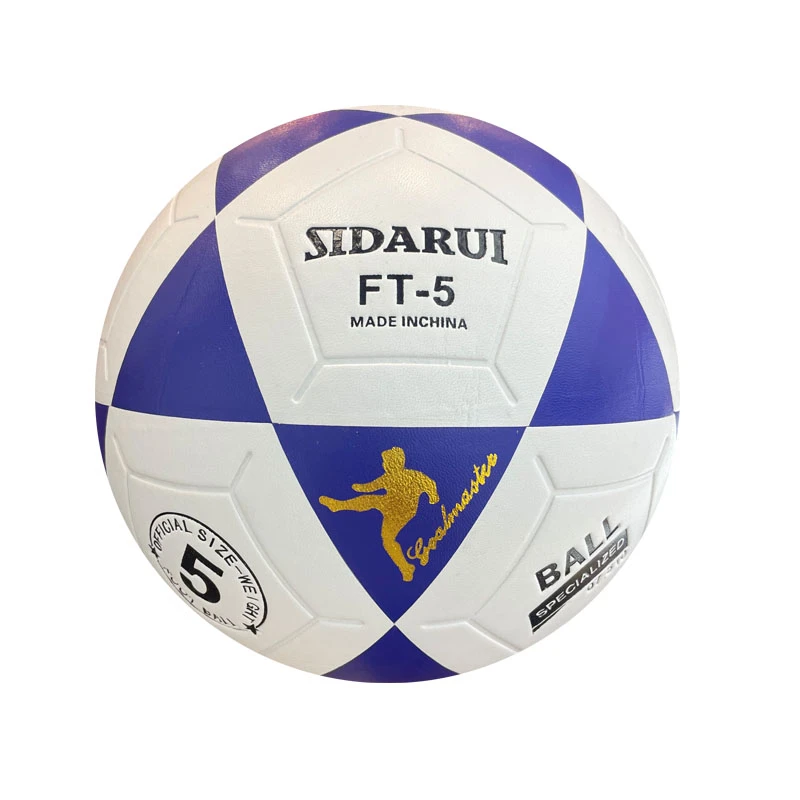
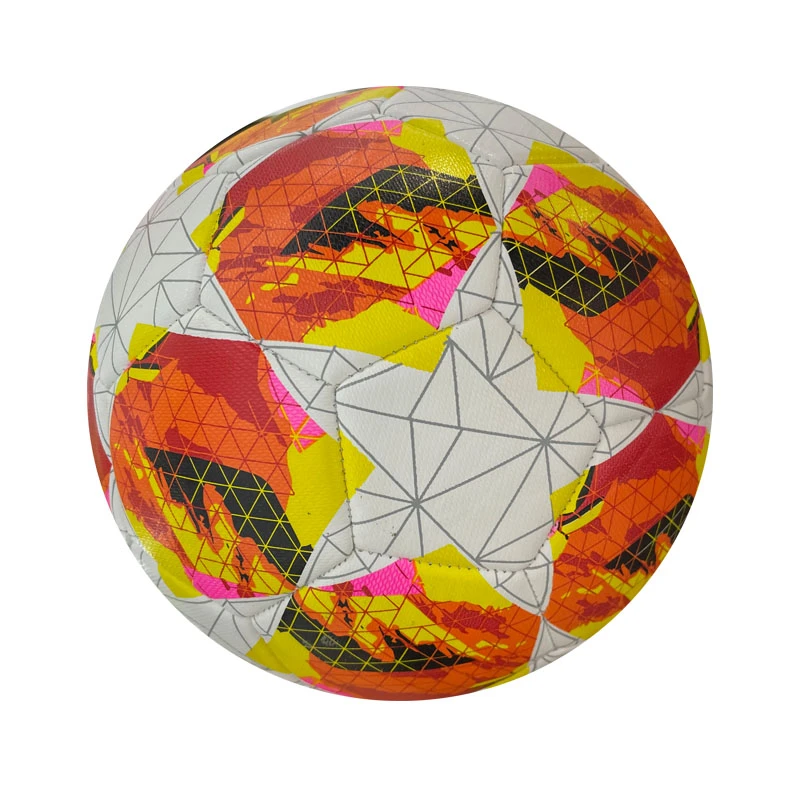
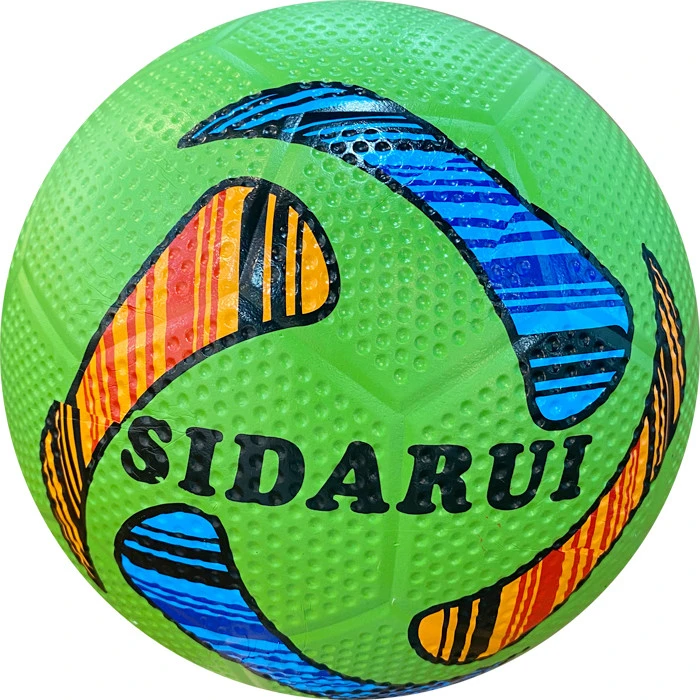
By Zhang Wei, Production Manager at Hebei Starry Sports Goods Co, Ltd.

In the world of international trade, especially for sporting goods, the seemingly simple aspect of soccer ball dimensions is far more critical than most realize. It's not just about a number; it's about performance, player development, safety, and ultimately, commercial viability for distributors and retailers. When you're looking to source soccer balls in bulk, whether for a national sports federation, a large retail chain, or an e-commerce platform, understanding the precise specifications—diameter, circumference, and weight—is paramount.
This isn't just about complying with FIFA standards, though that's a significant piece of the puzzle for official match balls. It's about ensuring the product you import and distribute is fit for its intended purpose and audience. A ball with incorrect dimensions can lead to inconsistent play, hinder skill development in young athletes, and even pose safety risks. For procurement managers, understanding these nuances translates directly into reducing returns, enhancing customer satisfaction, and building a reputation for quality.
The global soccer market is substantial. Reports indicate it was valued at approximately USD 8.47 billion in 2025, projected to reach USD 9.97 billion by 2031 with a CAGR of 2.77%. More dynamically, other reports project the global soccer balls market to grow from USD 3.32 billion in 2026 to USD 7.41 billion by 2035 at a CAGR of 9.32%. This indicates a robust demand, but also a complex landscape with varying quality tiers and specifications. Size 5 balls, for instance, consistently dominate market share, often exceeding 51% in many analyses, underscoring their importance. However, the growth of youth programs and specialized indoor leagues also drives demand for smaller, lighter balls.
At Hebei Starry Sports Goods Co, Ltd., we've been navigating this international trade landscape since 2016. Our annual output exceeds 5 million units across volleyballs, basketballs, and, of course, soccer balls. We understand that for our clients – be they importers in the US, distributors in Europe, or retailers across South America – accurate specifications are the bedrock of trust. This guide is crafted not just to inform you about standard soccer ball dimensions, but to equip you with the knowledge needed for smart, efficient procurement. We'll cover the official sizes, their specific applications, the importance of weight and circumference, and how material choices interact with these core metrics.
The choice of ball size impacts everything from ball flight and spin to how easily younger players can control and kick it. For professional matches, adherence to strict FIFA or IFAB regulations ensures fair play. For training, specific sizes can isolate certain skills. For developmental leagues, using smaller balls allows children to build confidence and technique without being overwhelmed by a large, heavy object. This foundational understanding of soccer ball dimensions is what separates a casual supplier from a strategic partner.
Consider the operational impact for your logistics. While the physical dimensions might seem minor, slight variations can affect container loading efficiency and storage space utilization over large import volumes. More significantly, ensuring the ball meets the target market's regulatory and performance expectations prevents costly product recalls or dissatisfied end-users. Our expertise, honed over years of manufacturing and exporting, allows us to guide you through these critical decisions. We've seen firsthand how the right specification can make a product fly off the shelves, while the wrong one can lead to inventory headaches.
Furthermore, the evolution of soccer ball technology means that even within standard dimensions, there are significant variations in performance due to panel construction (e.g., thermally bonded vs. stitched), bladder materials, and outer casing textures. While this guide focuses on dimensions, it's crucial to remember they are interconnected with these other factors. A Size 5 ball might feel and perform differently based on its construction, even if it adheres to the same dimensional standards. This holistic view is essential for making informed purchasing decisions in a competitive global market.
This document aims to be your go-to resource. We'll break down each official size, providing the exact measurements and explaining why they matter. We'll also touch upon the international standards that govern these specifications and how manufacturers like ourselves ensure compliance. Whether you are a seasoned procurement professional or new to sourcing sports equipment, this guide will provide actionable insights into the world of soccer ball sizing.
The market data points to consistent growth, driven by increasing global participation, youth development initiatives, and major tournaments. For instance, the continued popularity of youth sports programs worldwide necessitates a clear understanding of appropriate ball sizes for different age groups. This isn't just about fun; it's about building fundamental skills correctly. The right-sized ball can foster a love for the game, while an ill-suited one can lead to frustration and discouragement.
When evaluating suppliers, ask about their adherence to sizing standards. Do they have robust quality control processes that measure circumference and weight for every batch? At Hebei Starry Sports Goods, our quality assurance team meticulously checks every lot to ensure it meets agreed-upon specifications, including precise dimensional compliance. This attention to detail is what enables us to serve markets like the USA, where quality expectations are high.
Let's get into the specifics. Understanding the subtle differences between a professional match ball and a recreational training ball, defined in part by their size and weight, is key to procuring the right product for the right price point and application.
Soccer balls are standardized by size, primarily determined by circumference and diameter. These classifications are crucial for ensuring consistency in gameplay across different leagues, age groups, and competitions. The most widely recognized standards come from FIFA (Fédération Internationale de Football Association) and are adopted by most national football associations worldwide.
The system categorizes balls into sizes 1 through 5, with additional classifications for smaller promotional or training balls. Each size is designed for a specific purpose, ranging from the youngest players just learning the game to elite professionals competing at the highest level. For procurement, knowing these distinctions allows you to target your inventory precisely.
It's important to note that while dimensions are standardized, materials and construction methods can vary significantly, affecting the ball's feel, durability, and flight characteristics. However, the foundation of performance and suitability rests firmly on getting the dimensions right.
A brief mention of historical context might be useful here. Early soccer balls varied wildly in size and shape. It wasn't until the sport gained widespread international organization that standardization became necessary. The current sizing system has been in place for decades, ensuring a consistent experience for players globally.
The Size 5 soccer ball is the official size used in professional and adult amateur leagues worldwide. It is the most common size and what most people visualize when they think of a soccer ball. This size is intended for players aged 12 and older.
Key Specifications for Size 5 Soccer Balls:
These dimensions ensure the ball has the right weight and momentum for powerful kicks, accurate passes, and stable flight trajectories characteristic of high-level play. When sourcing for professional competitions, academies, or adult recreational leagues, Size 5 is your standard. The market data strongly supports this, with Size 5 balls consistently holding the largest market share.
Procurement consideration: For official matches sanctioned by bodies like FIFA, balls must also meet specific performance criteria beyond just dimensions, such as weight retention, water absorption, and shape and size retention after multiple impacts. Ensure your suppliers can provide balls certified for these standards if required. We at Starry Sports understand these requirements and can source or manufacture balls that meet stringent certification needs.
The consistency in Size 5 dimensions across manufacturers is crucial for fair play. Minor deviations can affect the aerodynamics and how players interact with the ball, especially at competitive levels where every detail counts. This is why our internal quality control processes are so rigorous, ensuring every Size 5 ball leaving our facility is within the specified tolerances.
From a consumer perspective, Size 5 represents the "true" soccer ball experience. When purchasing for resale, stocking a range of quality Size 5 balls – from entry-level training options to high-performance match balls – is a solid strategy. The global soccer equipment market, valued at over USD 128 billion in 2025, shows that balls are a core component, with demand spanning multiple segments.
soccer ball size size 3 soccer ball dimensions professional soccer ball size
The Size 4 soccer ball is designed for younger players, typically aged between 8 and 12 years old. It is also frequently used for indoor soccer due to its slightly smaller size and lighter weight, which can be more manageable in confined spaces.
Key Specifications for Size 4 Soccer Balls:
Using a Size 4 ball for this age group helps players develop better foot-eye coordination, control, and confidence. A ball that is too large or too heavy can hinder their ability to dribble, pass, and shoot effectively, potentially leading to frustration. Many youth soccer programs specifically mandate Size 4 balls for certain age brackets.
For import businesses, understanding the nuances of youth sports equipment is key. The market for youth soccer is substantial, driven by parents and sports organizations investing in development. Offering a well-manufactured, accurately sized Size 4 ball is a direct response to this demand.
Indoor soccer variants of Size 4 balls might have slightly different pressure ratings or surface textures to optimize performance on indoor pitches, but the core dimensional specifications remain consistent. When specifying requirements, it's always wise to clarify the intended playing environment.
Market data shows that while Size 5 dominates overall volume, the growth in youth participation and specialized leagues like indoor soccer creates significant opportunities for accurate Size 4 offerings. This is where a reliable supplier who understands these distinctions becomes invaluable.
The Size 3 soccer ball is the smallest standard size, intended for children under the age of 8. Its diminutive dimensions and light weight are specifically engineered to be manageable for very young players, facilitating early skill development and enjoyment of the sport.
Key Specifications for Size 3 Soccer Balls:
Using a Size 3 ball allows toddlers and preschoolers to practice kicking, dribbling, and basic passing without the physical challenge of larger balls. This size is critical for fostering a positive introduction to soccer, building motor skills, and encouraging active play from an early age. The youth sports market, valued significantly, relies heavily on correctly sized equipment like this.
For importers, catering to the under-8 demographic represents a consistent demand, especially with the global emphasis on early childhood development programs. Ensuring your Size 3 balls are not only dimensionally accurate but also made from safe, durable materials is key to capturing this segment. Starry Sports prioritizes these aspects in our manufacturing process for all youth-oriented products.
The focus here is on ease of use and skill acquisition. A Size 3 ball should be responsive to a child's touch, allowing them to feel successful and engaged with the game.
Beyond the primary standard sizes, there are smaller promotional, mini, or skill balls, often classified as Size 0, 1, or 2. These are not typically used for competitive play but serve various purposes:
Specifications for these mini balls can vary widely, as they often don't adhere to strict official standards. However, they generally fall into categories with circumferences well below 58 cm.
When sourcing these, clarity on the intended use is vital. Are they for a promotional campaign requiring custom branding, or for a niche training product? This will influence material choice, durability requirements, and price point. Our OEM/ODM capabilities are well-suited for custom mini ball production.
While the soccer ball dimensions (circumference and diameter) define the size, the weight is equally critical for performance and player safety. The weight specifications are linked directly to the size category, ensuring a balanced feel and predictable flight.
For a Size 5 ball, the 410-450 gram range provides the necessary momentum for adult play. A ball that is too light might be overly affected by wind, while one that is too heavy could increase the risk of injury, especially to younger players or those with less physical conditioning. Conversely, the lighter weights for Size 3 and 4 balls are essential for allowing children to maneuver the ball effectively.
These weights are typically measured at sea level. Variations in altitude can slightly affect performance, but the manufacturing standard remains consistent.
Operational Insight: During container loading and shipping, understanding the consistent weight of your chosen ball size is important for calculating total shipment weight accurately. This impacts freight costs and adherence to weight limits for transport. Our team can provide precise weight data per unit and per pallet for your logistical planning.
The relationship between circumference and weight is carefully calibrated. A ball that meets the circumference standard but is significantly outside the weight range suggests an issue with internal construction, bladder integrity, or material density. Quality control protocols must monitor both aspects diligently.
When reviewing supplier samples or specifications, pay close attention to both circumference and weight. They are the primary quantitative measures of a soccer ball's dimensional compliance and performance characteristics.
While this guide focuses on soccer ball dimensions, it's vital to acknowledge how materials and construction methods influence the ball's actual performance and feel, even when dimensions are correct.
Common materials for the outer casing include:
Construction methods significantly impact sphericity and durability:
A ball's bladder material (butyl or latex) also affects air retention and responsiveness. Butyl bladders hold air longer, while latex offers a softer feel and better rebound.
Industry Observation: Buyers often overlook how these construction details interact with standard dimensions. A thermally bonded Size 5 ball will generally perform more consistently and offer better value over its lifespan compared to a poorly stitched ball of the same dimensions, especially in wet conditions due to superior water resistance. This is a key differentiator we emphasize with our product lines.
When sourcing, consider the target market and price point. For premium markets, focus on PU or high-grade synthetic leather with thermally bonded construction. For volume sales and general training, PVC or blended synthetics with machine-stitched panels may be more appropriate.
Sourcing soccer balls internationally involves more than just checking dimensions. As a buyer, you need a strategic approach. Here's what to consider beyond the basic size specifications:
Inquire about the supplier's QC procedures. Do they measure circumference and weight for every batch? Do they perform pressure tests and shape retention tests? At Hebei Starry Sports, our multi-stage QC involves checks at raw material intake, during production, and pre-shipment, ensuring dimensional accuracy and product integrity.
Understand where materials are sourced. Are they compliant with international safety standards (e.g., REACH for Europe)? For children's products, lead content and phthalate levels are critical considerations. We ensure our materials meet global compliance standards relevant to our export markets.
If you need custom branding, panel designs, or specific material blends, an OEM/ODM factory is essential. We offer comprehensive OEM/ODM services, working with clients from design concept to finished product, ensuring precise adherence to custom specifications, including dimensions.
For official match balls, look for certifications like FIFA Quality Pro or FIFA Quality. For general compliance, certifications like CE or specific lab tests might be required depending on the destination market.
Ensure the supplier can meet your order volume within your required timeframe. Our facility is equipped to handle large-scale orders, with an annual output exceeding 5 million units, allowing us to serve global markets efficiently. Our proximity to Tianjin Port (approx. 100 km) facilitates smooth export logistics.
Always request samples before placing a bulk order. This is your opportunity to physically inspect the product, verify dimensions, feel the material, and test performance. We gladly provide samples for serious inquiries.
Buyer Tip: Don't be swayed solely by the lowest price. A slightly higher cost for a ball that precisely meets specifications, uses quality materials, and comes from a reliable factory often results in better long-term value and fewer headaches. We aim to provide competitive pricing without compromising on quality.
The soccer ball market is dynamic, driven by increasing global participation and technological advancements. While core dimensions remain stable, innovations are enhancing performance and player experience:
Market reports highlight consistent growth. For example, the global soccer balls market is projected to reach USD 7.41 billion by 2035 with a CAGR of 9.32% according to some analyses, fueled by these innovations and rising participation. Another report suggests a market size of USD 6.84 billion by 2034 at a CAGR of 9.40%. These figures underscore the significant opportunities for suppliers and distributors.
Our Position: Hebei Starry Sports stays at the forefront of these trends. We continuously invest in R&D to integrate new technologies and materials into our production lines, ensuring our clients receive products that meet current demands and anticipate future market needs. We offer a range of thermally bonded options and are exploring innovative materials for our next generation of soccer balls.
Established in November 2014, Hebei Starry Sports Goods Co, Ltd. has grown into a significant player in the sports ball manufacturing and export market. With an annual output of over 5 million units and customer coverage in 80% of global regions, our experience is extensive. We specialize in soccer balls, basketballs, and volleyballs, consistently delivering quality products that meet international standards.
Our advantages are clear:
We understand the procurement challenges faced by international buyers. Our goal is to be more than just a supplier; we aim to be a trusted partner who provides reliable products, transparent communication, and consistent support.
A: A FIFA Quality Pro ball meets the most stringent performance standards set by FIFA, including tests for weight, circumference, roundness, rebound, water absorption, heat loss, and shape retention after repeated impacts. Standard Size 5 balls meet the dimensional requirements but may not have undergone these rigorous official FIFA certification tests.
A: While standard dimensions (Sizes 3, 4, 5) are based on international regulations, we can discuss custom sizing for promotional or specialized balls. However, for competitive play, adhering to official size charts is essential.
A: Thermally bonded balls generally offer superior water resistance, better sphericity, and a more consistent feel and flight path compared to stitched balls of the same size, due to fewer seams and a tighter construction. Stitched balls can be more cost-effective for training and recreational use.
A: Lead times vary based on order volume, complexity of customization, and current production schedules. For large orders (e.g., tens of thousands of units), a typical lead time might range from 45 to 75 days after order confirmation and sample approval. We provide detailed timelines upon inquiry.
A: Yes, we provide samples for serious buyers to evaluate product quality, materials, and dimensions before committing to a large order. Sample costs and shipping may apply.
Partner with Hebei Starry Sports for reliable manufacturing, strict quality control, and competitive wholesale pricing. We ensure your soccer balls meet exact dimensions and performance standards for your target market.
WELCOME TO INQUIRE


LATEST NEWS
Crafted with precision and care, our soccer ball features a durable rubber core that ensures excellent bounce and resilience. The rubber material is not only lightweight but also provides the ideal amount of grip, allowing players to control the ball with ease. This means you can focus on perfecting your shots, passes, and tricks without worrying about the ball slipping away from you.
26,04 , 2026
Custom Mini Basketball Ball for Branding and Promotional Use
In today’s competitive marketplace, brands are constantly searching for creative, cost-effective way
READ MORE
24,04 , 2026
Size Guide for Basketballs Wholesale: From Youth to Professional
Choosing the right basketball size is one of the most important decisions for wholesalers, sports eq
READ MORE
23,04 , 2026
Outdoor vs Indoor Basketballs Wholesale: Key Differences
When sourcing basketballs in bulk, understanding the difference between outdoor and indoor models is
READ MORE