 Mr. Jian Li, Export Director at Hebei Starry Sports Goods Co, Ltd.
Understanding the Official Professional Volleyball Size: FIVB Standards
When we talk about a "professional volleyball size," we are primarily referencing the strict regulations set forth by the FIVB. These standards are designed to ensure a consistent and fair playing experience across all levels of competition, from local tournaments to the Olympics. Adherence to these specifications is not just about tradition; it's about ensuring the ball behaves predictably, allowing athletes to develop their skills and strategies based on a reliable tool.
The official circumference of a professional indoor volleyball is between 65 and 67 centimeters (approximately 25.6 to 26.4 inches). This range is meticulously maintained by manufacturers like us, who understand that even a centimeter's difference can alter the ball's aerodynamics and how it feels in a player's hands. For beach volleyball, the specifications are slightly different to account for environmental factors and a different style of play. A professional beach volleyball has a circumference between 66 and 68 centimeters (approximately 26.0 to 26.8 inches), making it marginally larger and often softer.
Beyond circumference, weight is another critical factor. An FIVB-approved professional volleyball typically weighs between 260 and 280 grams (approximately 9.2 to 9.9 ounces). This weight provides the necessary momentum for powerful serves and attacks while remaining manageable for accurate setting and digging. The consistency in weight is achieved through precise material selection and manufacturing processes, ensuring no ball is significantly heavier or lighter than another in a competitive set.
The internal air pressure is also regulated. For indoor volleyball, the recommended pressure is between 0.30 and 0.325 kg/cm² (4.3 and 4.7 psi). For beach volleyball, it's slightly lower, between 0.175 and 0.225 kg/cm² (2.5 and 3.25 psi), contributing to its softer touch. Proper inflation ensures the ball has the right amount of bounce and firmness, which is crucial for control and playability.
As a supplier, we ensure our manufacturing processes, from molding and panel stitching to inflation checks, are calibrated to meet these precise FIVB guidelines. For buyers, asking for FIVB certification on these specifications is a direct way to ensure you're receiving a product that aligns with professional standards. This is where operational knowledge becomes your ally – understanding that a "professional" ball isn't just a marketing term but a set of measurable, verifiable standards.
Beyond the Standard: Exploring Different Volleyball Types and Sizes
While FIVB standards define the professional realm, the world of volleyballs encompasses various sizes and types catering to different age groups and skill levels. Understanding these distinctions is vital for wholesale distributors and retailers aiming to stock a comprehensive inventory. For instance, youth leagues often use slightly smaller and lighter balls to help younger players develop proper technique without being overpowered by the ball's weight or size.
A common variation is the "Official" Size 5 ball, which aligns with the FIVB professional standards we discussed. This is the go-to for adult competitive play, collegiate athletics, and professional leagues.
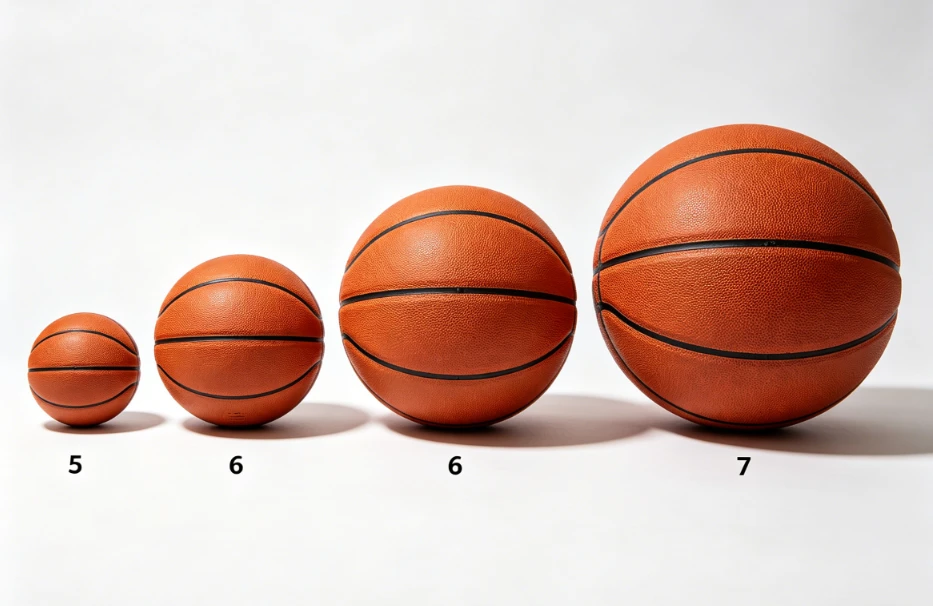
Then there are "Junior" or "Youth" sizes. These are typically designated as Size 4 balls. A Size 4 volleyball usually has a circumference between 62 and 64 centimeters and weighs between 220 and 240 grams. These dimensions make them more manageable for players aged 12 and under, allowing them to practice passing and setting more effectively. Introducing a child to the sport with a ball that's too large or heavy can be counterproductive, hindering skill development and potentially causing frustration.
Some manufacturers also offer "Mini" volleyballs, often around Size 3, designed for very young children or for recreational use where a softer, lighter ball is preferred. These might not adhere to specific weight standards but prioritize ease of handling and fun.
From a procurement standpoint, knowing these variations allows you to target specific market segments. For example, a distributor supplying to school districts will prioritize sourcing high-quality Size 4 volleyballs, while a sports retailer might focus on certified Size 5 balls for adult clubs and leagues. At Hebei Starry Sports Goods Co, Ltd., we have the manufacturing flexibility to produce all these variations, ensuring you can source a complete range of balls tailored to different market needs. Our export experience means we understand the nuances of what each region or age group demands.
When discussing specifications with a factory, always clarify the target age group or playing level. This ensures you receive quotes and samples that are truly representative of the product you intend to order. A "professional" ball is a specific category, but 'size 5' can sometimes be a general descriptor without strict adherence to FIVB metrics if not explicitly requested. This is a common oversight in sourcing; always verify.
Materials and Construction: The Foundation of Professional Volleyball Performance
The materials and construction methods used to create a volleyball are just as critical as its size in determining its performance and durability. For professional-grade volleyballs, manufacturers employ advanced technologies to achieve the precise feel, flight characteristics, and longevity expected by athletes. Understanding these elements is key for buyers looking to assess quality and distinguish between standard products and those built for elite play.
Historically, volleyballs were made from leather. However, modern professional volleyballs predominantly use high-quality synthetic leather, specifically microfibers or polyurethane (PU). These materials offer several advantages over natural leather:
- Consistency: Synthetic materials provide a uniform texture and thickness, ensuring consistent performance across all balls.
- Durability: They are highly resistant to abrasion and wear, crucial for high-impact play.
- Water Resistance: Especially important for beach volleyball, these materials repel water, preventing the ball from becoming heavy and waterlogged.
- Soft Touch: Advanced microfibers can be engineered to provide a softer feel upon impact, reducing the sting on players' arms and improving control.
The construction method is another vital aspect. There are generally two main types:
- Stitched Construction: Traditional method where panels are sewn together. While common, it can be susceptible to moisture and wear at the seams.
- Thermally Bonded Construction: This is the preferred method for high-end professional volleyballs. Panels are fused together using heat and pressure, creating a virtually seamless surface. This results in a more uniform, aerodynamic ball with excellent water resistance and a consistent feel. The market trend, as highlighted by various reports, is leaning heavily towards thermally bonded construction for enhanced performance and durability. For instance, reports on soccer balls consistently point to thermally bonded construction as a marker of premium quality, a principle that translates directly to volleyballs.
The internal bladder is typically made of latex or butyl rubber, which holds the air and provides the ball's bounce. The quality of the bladder directly impacts how well the ball retains its shape and air pressure over time. A superior bladder means fewer adjustments during play and a longer product lifespan.
At Hebei Starry Sports Goods Co, Ltd., we specialize in producing FIVB-approved, thermally bonded volleyballs that meet the exact professional size and performance requirements. Our engineering team continuously refines our material sourcing and bonding techniques to ensure our products offer exceptional value and performance. When evaluating suppliers, inquire about their bonding technology and material certifications. This is a key indicator of their commitment to quality for professional-grade equipment.
The choice between synthetic leather types and bonding methods significantly impacts the ball's flight stability and durability. Thermally bonded balls, for example, maintain their spherical shape better under impact, reducing unpredictable flight paths. This level of detail is what separates a recreational ball from one deemed fit for professional competition.
Technical Specifications Table: Professional Volleyball
For precise procurement and quality control, understanding the detailed technical specifications of a professional volleyball is essential. The following table outlines the key parameters as per FIVB guidelines, which we at Hebei Starry Sports Goods Co, Ltd. adhere to rigorously in our manufacturing process.
| Specification | Indoor Volleyball (Official Size) | Beach Volleyball (Official Size) | Notes |
|---|---|---|---|
| Circumference | 65 - 67 cm (25.6 - 26.4 in) | 66 - 68 cm (26.0 - 26.8 in) | Beach is slightly larger. |
| Weight | 260 - 280 g (9.2 - 9.9 oz) | 260 - 280 g (9.2 - 9.9 oz) | Consistent weight is critical for performance. |
| Internal Air Pressure | 0.30 - 0.325 kg/cm² (4.3 - 4.7 psi) | 0.175 - 0.225 kg/cm² (2.5 - 3.25 psi) | Beach pressure is lower for a softer feel. |
| Material | High-quality PU/Microfiber Synthetic Leather | Water-resistant PU/Microfiber Synthetic Leather | For durability and feel. |
| Construction | Thermally Bonded (preferred) or stitched | Thermally Bonded (highly recommended) | Thermal bonding ensures a more uniform surface. |
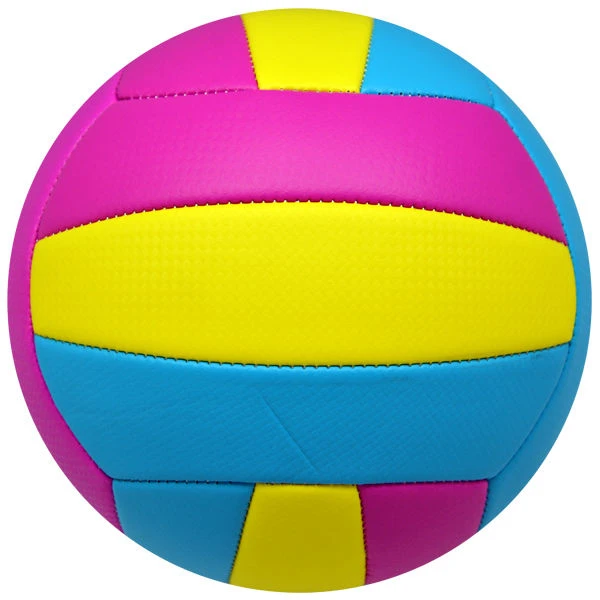
| Panel Design | Typically 18 panels (can vary) | Typically 18 panels (can vary) | Affects flight path and aerodynamics. |
This table serves as a quick reference for procurement teams and quality assurance departments. When placing an order or conducting factory audits, these are the key metrics to verify. Ensuring that your supplier can consistently produce balls within these parameters is a strong indicator of their operational capability and commitment to quality. For example, confirming that a supplier uses FIVB-certified balls means they have undergone rigorous testing to meet these exact specifications. This is a crucial step in risk mitigation for international B2B trade.
Remember, the "Fit For Now (2026)" approach to sourcing emphasizes immediate and future applicability. A ball that meets current professional standards is a safe bet, but understanding how material innovations and construction techniques are evolving ensures your procurement decisions remain relevant. Thermally bonded construction, for instance, is a technology that has rapidly become standard for high-level play.
Application Scenarios: Where Professional Volleyballs Shine
The designation of a "professional volleyball size" isn't just an arbitrary label; it signifies suitability for specific high-level applications. These balls are engineered for peak performance where accuracy, consistency, and durability are paramount. Understanding these scenarios helps B2B buyers identify the true market for these products and ensure they are sourcing appropriately.
1. Professional League Play: This is the most obvious application. Volleyballs meeting FIVB standards are used in national and international professional leagues, including collegiate and Olympic competitions. The precise size, weight, and pressure ensure a fair playing field and allow athletes to perform at their highest level. For leagues, consistent ball performance is non-negotiable.
2. High-Level Training Facilities: Elite training centers, sports academies, and national team facilities require balls that replicate the conditions of actual competition. Using professional-sized balls during training prepares athletes for the demands of match play, refining their skills in passing, setting, hitting, and serving.
3. International Tournaments and Events: For any major volleyball event, whether it's a championship, invitational, or international friendly, using official FIVB-approved balls is standard practice. This ensures all participants are playing with equipment that meets the highest global benchmarks. This is critical for brand reputation for both the ball manufacturer and the event organizer.
4. High-End Sports Retailers: For distributors and retailers catering to serious volleyball players, stocking professional-grade balls is essential. These customers are knowledgeable and will seek out balls that adhere to official specifications for their own competitive play or rigorous training.
5. OEM/ODM Partnerships: Manufacturers creating branded sports equipment lines often opt for professional-grade balls as the base product. They then customize these with their own branding, leveraging the quality and performance inherent in the ball's construction. Understanding the specifications allows OEM clients to accurately brief their manufacturing partners like Hebei Starry Sports Goods Co, Ltd.
The market for professional volleyballs is driven by quality and performance. While recreational balls are abundant, the demand for certified professional equipment comes from segments that prioritize competitive advantage and established standards. As an export manager, I've seen how markets like the USA, with a strong collegiate and professional sports infrastructure, have a particular demand for FIVB-approved equipment. This is a testament to the focus on performance and adherence to rules.
When considering procurement, think about the end-user. Are they a beginner looking for a durable, affordable ball, or a seasoned player needing equipment that won't compromise their game? The answer dictates whether a standard or a professional-grade volleyball is the right choice. Our factory is equipped to handle large-scale production for all these segments, but the professional volleyball is our specialty when it comes to meeting FIVB standards.
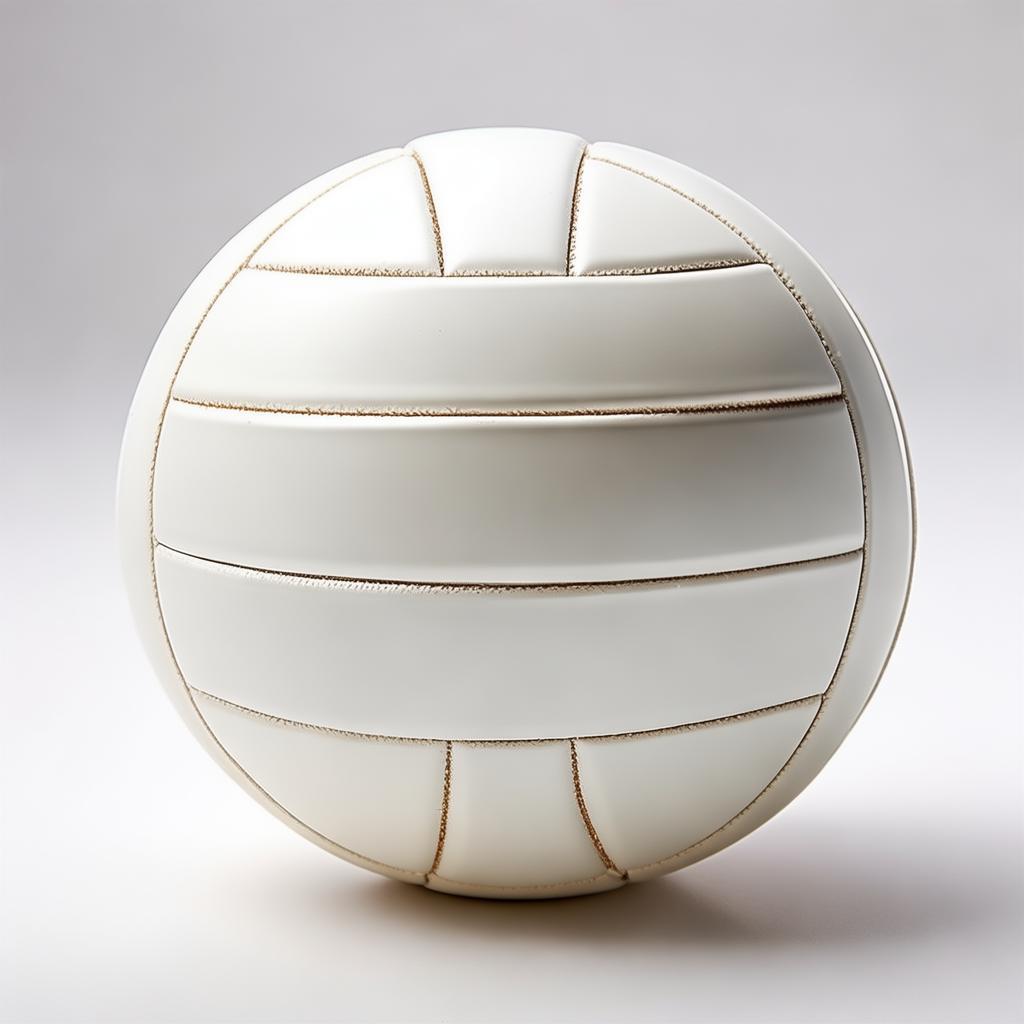
Procurement Guidance: Sourcing Professional Volleyballs from a Reliable Manufacturer
Sourcing industrial goods internationally requires a strategic approach, especially when dealing with sports equipment where quality and certification are paramount. For professional volleyballs, ensuring you're working with a reputable manufacturer like Hebei Starry Sports Goods Co, Ltd. involves more than just checking prices. It's about understanding capabilities, quality control, and export experience.
1. Verify Certifications: Always ask for proof of FIVB approval or other relevant certifications (like CE for European markets, though FIVB is primary for volleyball). This is your first line of defense against substandard products. For us, holding FIVB certification for our professional volleyballs is a cornerstone of our quality assurance.
2. Request Samples: Before committing to a large order, always request samples. Test them thoroughly against the official specifications. A reputable factory will be confident in sending samples that meet their stated quality. We encourage all potential partners to evaluate our samples.
3. Assess Manufacturing Capabilities: Understand the factory's production capacity, their quality control procedures, and their experience with international markets. Do they use modern manufacturing techniques like thermal bonding? What is their defect rate? With an annual output of over 5 million sports balls and experience since 2016 in foreign trade, our operations are geared for consistent, high-volume output.
4. Discuss OEM/ODM Services: If you're looking to create your own brand, inquire about OEM (Original Equipment Manufacturer) and ODM (Original Design Manufacturer) capabilities. ODM allows the factory to leverage their designs and expertise for your brand, while OEM focuses on producing to your exact specifications. We offer robust OEM/ODM services, allowing clients to build their brand on our reliable manufacturing base.
5. Understand Lead Times and Logistics: International shipping involves lead times for production, quality checks, and transit. A reliable supplier will provide realistic timelines and offer assistance with logistics, including container loading and documentation. Our proximity to Tianjin Port and established export processes ensure efficient delivery. We understand that timely delivery is critical for distributors and retailers.
6. Evaluate Communication and Support: Effective communication is key in international trade. A good supplier will be responsive, transparent, and have English-speaking representatives who understand your needs. Our sales team is experienced in working with international clients across 80% of global regions.
Choosing the right partner impacts your business's bottom line and reputation. For example, the soccer ball market reports often highlight the importance of reliable sourcing from hubs like Sialkot, Pakistan. Similarly, for volleyballs, identifying manufacturers with proven track records and adherence to global standards is vital. Our commitment is to provide not just balls, but a reliable supply chain solution.
It’s often said that procurement is about mitigating risk. By focusing on certified products, requesting samples, and vetting the manufacturer's operational strengths, you significantly reduce the risk of receiving substandard goods. This diligence is what builds long-term, profitable B2B relationships.
Installation & Maintenance Considerations for Professional Volleyballs
While "installation" might sound unusual for a volleyball, proper inflation and care are crucial to maintain its professional size and performance characteristics throughout its lifespan. Neglecting these simple steps can lead to premature wear and tear, affecting playability and, ironically, the ball's perceived size and shape.
Inflation: As detailed in the technical specifications, professional volleyballs require a specific internal air pressure.
- Always use a reliable pressure gauge. Over-inflating can lead to seams splitting or the ball becoming too hard, reducing feel and increasing the risk of injury.
- Under-inflating makes the ball too soft and erratic in flight, impacting performance and potentially leading to premature panel creasing.
- Use a proper needle adapter designed for sports balls. Ensure it's inserted gently to avoid damaging the bladder valve.
Surface Use: Professional volleyballs are designed primarily for indoor courts or specialized beach courts. Using them on rough surfaces like asphalt or concrete will quickly wear down the synthetic leather cover, damaging the ball's integrity and its ability to maintain the correct size and shape. For outdoor recreational play, consider using more durable, less specialized balls.
Cleaning: Keep the balls clean to preserve the material and grip. A soft, damp cloth is usually sufficient for routine cleaning. Avoid abrasive cleaners or soaking the ball, as this can damage the bonding or material. For stubborn dirt, a mild soap solution can be used, followed by thorough rinsing with a damp cloth and allowing it to air dry completely.
Storage: Store volleyballs in a cool, dry place away from direct sunlight and extreme temperatures. Over time, UV exposure can degrade the synthetic materials, and extreme heat can affect the bladder's integrity. Avoid stacking excessively heavy items on top of them, which could compress the ball and alter its shape over long periods.
Proper care ensures that a professional volleyball maintains its designated size and performance attributes, offering consistent playability for its intended lifespan. For bulk purchasers, communicating these care guidelines to end-users or team managers can enhance customer satisfaction and reduce product replacement costs. It’s an often-overlooked aspect of the supply chain that adds significant value for the buyer.
Logistics and Shipping: Getting Professional Volleyballs to Your Market
For international B2B buyers, efficient logistics and shipping are as crucial as product quality. Getting professional volleyballs from a manufacturer like Hebei Starry Sports Goods Co, Ltd. to markets like the USA involves careful planning and understanding of export procedures.
Container Optimization: Volleyballs, especially when deflated or partially deflated for shipping, can be packed efficiently. We pay close attention to container loading to maximize space utilization. A standard 40-foot High Cube container can hold a significant number of deflated or properly packed volleyballs, optimizing freight costs. We provide guidance on optimal packing configurations to our clients.
Shipping Methods:
- Sea Freight: This is the most common and cost-effective method for large bulk orders. Transit times to the US West Coast are typically around 3-4 weeks, while East Coast ports might take 5-6 weeks, depending on the specific route and carrier.
- Air Freight: For urgent orders or smaller quantities, air freight offers faster delivery (typically 5-7 business days) but at a significantly higher cost.
Customs and Documentation: Exporting requires accurate documentation, including commercial invoices, packing lists, bills of lading, and certificates of origin. We ensure all necessary paperwork is provided to facilitate smooth customs clearance in the destination country. Understanding import duties and taxes for sports equipment in the target market is the buyer's responsibility, but we are here to provide the necessary product details and support.
Packaging: Individual volleyballs are often packaged in polybags or small retail boxes. For bulk shipments, they are master-cartoned for protection during transit. We can accommodate custom packaging requests to meet specific retail or distribution needs.
Our strategic location near Tianjin Port, one of China's busiest ports, coupled with our years of experience in foreign trade (since 2016), allows us to manage logistics efficiently. We understand that reliable delivery is a critical component of the B2B supply chain. A consistent flow of product is essential for distributors and retailers to maintain inventory and meet customer demand.
The market trend towards e-commerce also means that efficient shipping of smaller batches to distribution centers or even directly to larger online retailers is becoming increasingly important. We are equipped to handle such dynamic shipping requirements.
Frequently Asked Questions (FAQs) about Professional Volleyball Size
Q1: Is there a difference in size between indoor and beach professional volleyballs?
Yes, there is a slight difference. FIVB regulations specify an indoor volleyball circumference of 65-67 cm, while a beach volleyball is slightly larger at 66-68 cm. Beach volleyballs are also often inflated to a lower pressure for a softer feel.
Q2: What does "FIVB Approved" mean for a volleyball?
"FIVB Approved" signifies that the volleyball has met the stringent technical specifications and performance standards set by the Fédération Internationale de Volleyball for size, weight, air pressure, and construction. This ensures it is suitable for official international competition.
Q3: Can a recreational player use a professional volleyball?
Absolutely. Many recreational players choose professional volleyballs for their superior feel, consistency, and durability. However, for very young children or casual play where extreme durability on varied surfaces is needed, a junior size or more robust recreational ball might be a better fit.
Q4: What is the typical lifespan of a professional volleyball?
With proper care and use on appropriate surfaces, a professional volleyball can last for several seasons of regular competitive play. Factors like material quality, construction (thermally bonded lasts longer), and user care significantly influence its lifespan.
Q5: How do I ensure I'm getting the correct professional volleyball size from an overseas supplier?
Always specify FIVB standards for circumference, weight, and air pressure. Requesting samples for testing and verifying certifications are crucial steps. Open communication about technical specifications with the supplier is key.
Customer Reviews
"We sourced a bulk order of FIVB-approved volleyballs from Hebei Starry for our chain of sports clubs. The consistency in size and feel across the entire shipment was impressive. Our coaches noted the balls perform exactly as expected, which is crucial for training programs. Delivery was on schedule, and communication was smooth throughout the process."
 Sarah Chen, Operations Manager, Premier Sports Clubs, USA
"As a distributor, finding reliable manufacturers for certified equipment can be a challenge. Hebei Starry Sports Goods provided excellent quality professional volleyballs. The thermally bonded construction is evident in their durability and flight. We received our samples quickly and the subsequent large order met all specifications. Highly recommended for B2B buyers."
 Mark Johnson, Procurement Director, Global Sports Wholesale, Canada
"We used Hebei Starry for an OEM project for our new sports brand. They were very accommodating with our design requirements and ensured the professional volleyball size and quality were maintained. The production lead time was reasonable, and the final product exceeded our expectations. Great partners for custom sports equipment."
 David Lee, Brand Manager, Ascend Sports, Australia
Ready to Elevate Your Volleyball Supply?
Ensure your clients receive the best. Partner with Hebei Starry Sports Goods Co, Ltd. for professional volleyballs that meet the highest international standards.
Call Us: +86 15713370191 / +86 15369832815
E-mail: starry005@ballschina.com