
For Competitive Play, Training, and Recreational Fun
 By David Chen, Senior Export Manager at Hebei Starry Sports Goods Co., Ltd.
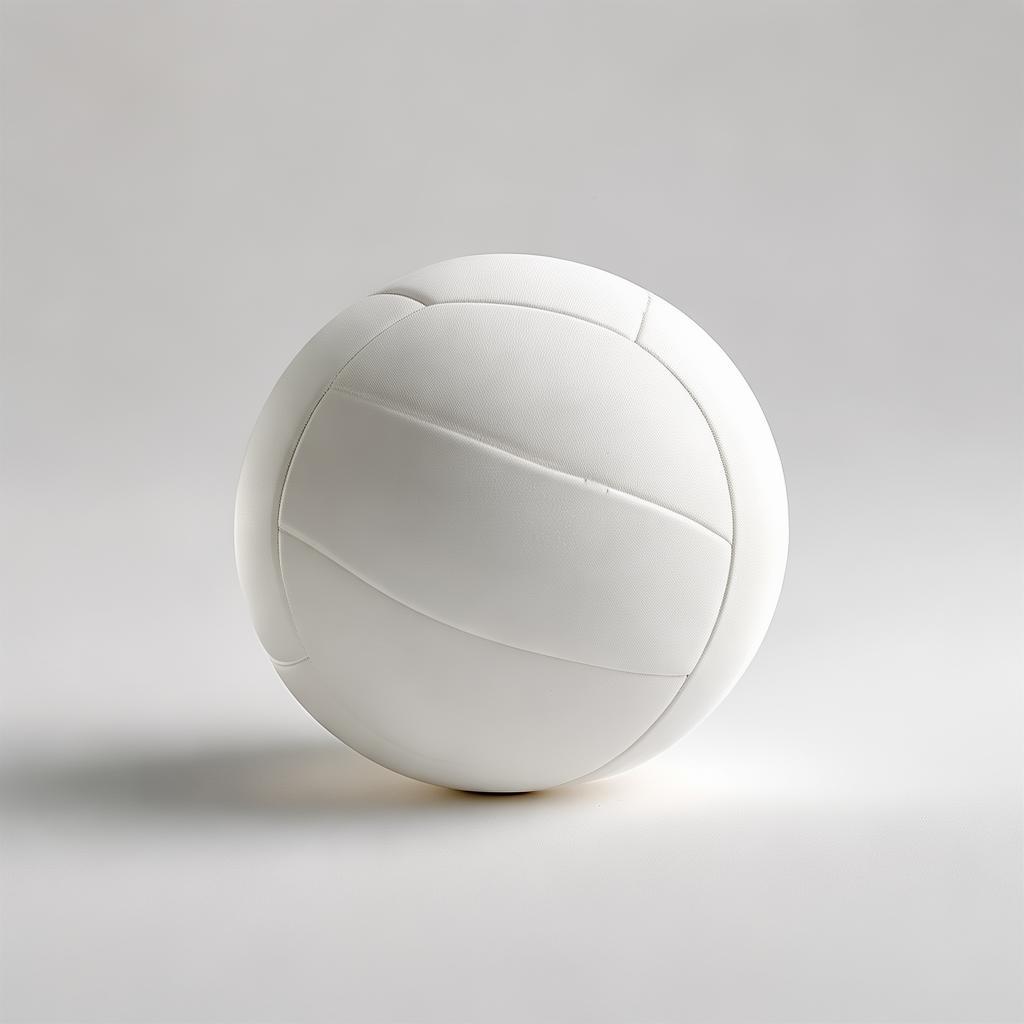
When we talk about volleyball, it's easy to focus on the explosive spikes, the strategic sets, and the gravity-defying digs. But underpinning every successful play, from a backyard pickup game to a championship final, is the ball itself. And for a sport where precision and control are paramount, the size of volleyball isn't just a detail—it's fundamental to performance, player development, and safety. At Hebei Starry Sports Goods, we’ve been manufacturing high-quality sports balls for over a decade, supplying teams, leagues, and distributors across the globe. We understand that selecting the correct ball size is the first step towards a better game. This isn't about guesswork; it's about adhering to standards, catering to different age groups and skill levels, and ensuring optimal playability. Whether you're a coach outfitting a youth program, a retailer stocking your shelves, or a seasoned player seeking that perfect feel, getting the size right is critical. Misconceptions about ball sizes can lead to improper technique development, increased risk of injury, and a generally frustrating experience on the court. For instance, younger players starting out often benefit from lighter, slightly smaller balls that are easier to control, helping them build confidence and learn the fundamentals without being overwhelmed. Conversely, professional athletes rely on regulation-size balls designed for specific flight characteristics and weight to execute complex plays at high speeds. The international market for sports equipment is vast, and while standards exist, variations can emerge, especially with custom OEM/ODM orders. This guide aims to demystify the world of volleyball sizing, aligning with global governing bodies like the FIVB (Fédération Internationale de Volleyball) and national organizations such as USA Volleyball. We'll delve into the specific dimensions, weights, and circumferences that define official volleyballs, explore the scaled-down versions designed for juniors, and touch upon the nuances that differentiate indoor and beach volleyballs. Our aim is to provide you with the practical, expert knowledge needed to make an informed decision, ensuring every serve, set, and spike is played with the right equipment. Understanding the 'why' behind these specifications – from aerodynamics to player biomechanics – is key to appreciating the importance of choosing accurately. It's about more than just a number; it's about the integrity of the sport and the development of its athletes.
Choosing the correct size of volleyball is far more than a mere specification; it directly impacts player performance, skill development, and, crucially, safety. Think about it from a physics perspective: a ball's weight and circumference influence its trajectory, speed, and how easily it can be manipulated. For developing players, especially children, using a ball that's too large or too heavy can be counterproductive and even harmful. It makes fundamental skills like passing (bumping) and setting more difficult, leading to frustration and slower progress. More critically, younger athletes might develop compensatory techniques to handle an oversized ball, potentially leading to injuries in their wrists, arms, or shoulders. The repetitive impact of a heavy ball on underdeveloped joints is a genuine concern for coaches and parents. Conversely, using a ball that is too small or too light for older or professional players can hinder their ability to generate power, achieve the correct spin, or maintain consistent flight patterns crucial for advanced strategies. It can also make the game feel less substantial, diminishing the overall experience.
The industry standards, set by organizations like the FIVB, are meticulously designed to balance these factors. They ensure a consistent playing experience across different competitions and manufacturers. For instance, the standard weight and circumference of a Size 5 volleyball are calibrated to provide a predictable flight path and a satisfying feel when struck, allowing players to focus on technique and strategy rather than fighting an unwieldy piece of equipment. For coaches and training programs, selecting the appropriate size is a pedagogical tool. Using smaller, lighter balls for beginners (like Size 4 or even specialized junior balls) allows them to master control, hand-eye coordination, and basic movements more effectively. As they progress, transitioning to the official Size 5 ball prepares them for competitive play. This gradual adaptation is key to building confidence and a strong foundation in the sport. From a manufacturing standpoint, precision in size and weight is paramount. It’s not just about adhering to regulations; it’s about producing a ball that performs predictably. Our factory utilizes stringent quality control measures to ensure that every ball meets the specified dimensions and weight tolerances. This consistency is what professional athletes and discerning clubs demand, and it's what we deliver. When you invest in quality volleyballs, you're investing in better play, faster development, and a safer sporting environment.
The International Volleyball Federation (FIVB) sets the global standard for indoor volleyballs, a benchmark widely adopted by national federations, including USA Volleyball, for competitive play. These specifications ensure fairness and consistency in matches worldwide. Understanding these dimensions is critical for anyone involved in official competitions, team procurement, or high-level training.
| Specification | Size 5 (Official) |
|---|---|
| Circumference | 65 - 67 cm (25.6 - 26.4 inches) |
| Weight | 260 - 280 grams (9.2 - 9.9 oz) |
| Internal Pressure | 0.30 - 0.325 kg/cm² (4.3 - 4.6 psi) |
These specifications are not arbitrary. The weight and circumference are carefully chosen to provide a ball that is substantial enough for powerful plays but manageable for control. The internal pressure ensures a firm yet responsive feel, allowing for accurate passing and a consistent bounce. For coaches and players, using a ball that meets these exact specifications is crucial for proper training and competitive readiness. At Hebei Starry Sports Goods, we ensure our official volleyballs are manufactured to precise FIVB and USA Volleyball standards. Our production lines are calibrated to maintain these tight tolerances, ensuring consistency batch after batch. This is essential for our OEM/ODM clients who rely on us to produce balls that meet international specifications for their own brands.
Beyond official matches, many recreational leagues and training programs also adopt Size 5 balls. It's the universal standard for adult and most high school play. When you see a professional volleyball match, whether it's indoor or beach (though beach has slight variations), the ball you're observing adheres to these core principles of size and weight. For purchasing managers, specifying "FIVB approved" or "USA Volleyball official size" is often the most straightforward way to ensure you're getting the correct product for competitive environments. However, always double-check the specific league or tournament rules, as some might have minor variances or specific requirements for approved models.
The journey into volleyball for younger athletes often begins with smaller, lighter balls designed to facilitate learning and build confidence. These junior sizes are scaled down to be more manageable for smaller hands and developing bodies, making the game more accessible and enjoyable for children.
| Specification | Size 4 | Size 3 (Mini) |
|---|---|---|
| Circumference | 63.5 - 65 cm (25.0 - 25.6 inches) | 56 - 58 cm (22.0 - 22.8 inches) |
| Weight | 200 - 220 grams (7.1 - 7.8 oz) | 150 - 170 grams (5.3 - 6.0 oz) |
| Internal Pressure | 0.25 - 0.30 kg/cm² (3.5 - 4.3 psi) | Often softer, specific psi varies by manufacturer |
Size 4 Volleyballs are commonly used for younger age groups, typically ranging from 8 to 12 years old, though this can vary by region and specific league. They offer a good balance, being slightly smaller and lighter than a Size 5, making them easier to control for developing players. This size helps foster proper passing and setting techniques without the added difficulty of a larger ball.
Size 3 Volleyballs, often referred to as "Mini" or "Junior" balls, are the smallest and lightest option. These are ideal for very young children, typically aged 5-7, or for introductory clinics focused on fundamental motor skills. Their smaller size and lighter weight make them perfect for building hand-eye coordination, basic ball control, and simply getting kids excited about the sport. They are also sometimes used for specific drills even with older players focusing on agility and rapid response.
At Hebei Starry Sports Goods, we understand the importance of correct equipment for youth development. We manufacture a range of junior volleyballs that adhere to these scaled-down specifications, ensuring that young athletes have the best possible tools to learn and grow. When procuring for school programs, junior clubs, or even family recreation, selecting the right junior size is paramount for player engagement and safe progression. We offer OEM/ODM services for these junior balls, allowing brands to offer their own custom-designed junior equipment.
While the official FIVB Size 5 is the standard for indoor volleyball, beach volleyball, though also using a Size 5 ball, has subtle yet significant differences in its specifications. These variations are tailored to the unique environment and playing style of beach volleyball.
Beach Volleyball Specifications:
| Specification | Size 5 (Beach) |
|---|---|
| Circumference | 66 - 68 cm (26.0 - 26.8 inches) |
| Weight | 260 - 290 grams (9.2 - 10.2 oz) |
| Internal Pressure | 0.175 - 0.225 kg/cm² (2.5 - 3.2 psi) |
size of a volleyball official volleyball size normal size of volleyball
Notice the key differences: Beach volleyballs are often slightly larger in circumference and significantly lower in internal pressure. This lower pressure makes the ball softer to the touch, which is essential given the dynamic nature of beach play – players are often digging or playing balls with their forearms or even their entire body in the sand. A softer ball is less punishing on the hands and arms and allows for more control in windy conditions. The slightly larger circumference can also contribute to better visibility and a more forgiving surface area for contact.
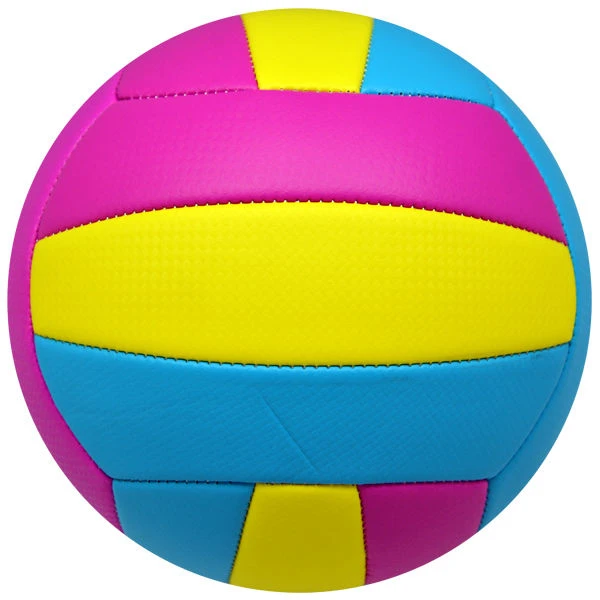
The material also tends to be different. While indoor balls often use synthetic leather or polyurethane, beach balls might use softer synthetic leather or composite materials that are more resistant to sand and moisture. Our manufacturing expertise at Hebei Starry Sports Goods allows us to produce both indoor and beach volleyballs, each precisely engineered to meet the specific demands of their respective disciplines. For distributors and retailers, understanding this distinction is vital for catering to both indoor court players and beach enthusiasts. Offering the correct type of ball ensures customer satisfaction and builds trust in your product selection.
Beyond size and weight, the materials and construction methods used in a volleyball significantly influence its feel, durability, and performance characteristics. These factors are crucial for both professional and recreational play, impacting everything from a player's touch to the ball's longevity.
Common Materials:
Construction Methods:
At Hebei Starry Sports Goods, we leverage advanced manufacturing techniques, including precise thermal bonding and high-quality synthetic leather sourcing. This allows us to produce volleyballs that not only meet the exact size and weight specifications but also deliver exceptional performance and longevity. We work closely with our clients on OEM/ODM projects to select the optimal materials and construction methods that align with their brand positioning and target market – whether it's a budget-friendly recreational ball or a top-tier professional match ball. The choice impacts how the ball feels on contact, its aerodynamic properties, and how long it will withstand rigorous play.
Selecting the right volleyball involves more than just glancing at the size. Several factors come into play, and understanding them will help you make a purchase that meets your needs, whether for personal use, a team, or wholesale distribution.
1. Player Age and Skill Level: This is the primary determinant of size. As discussed, younger players benefit from smaller, lighter balls (Size 3, 4), while adults and advanced players require the official Size 5. For recreational adult play, a softer, slightly less pressurized Size 5 can also be a good option.
2. Playing Environment: Indoor vs. Beach. Ensure you're selecting a ball designed for your primary playing surface. Indoor balls are typically made of synthetic leather and are designed for smooth courts. Beach volleyballs are often slightly larger, softer, and more resistant to sand and moisture.
3. Construction Method: For serious play and competitive teams, thermally bonded balls offer superior performance and durability. For casual use or budget-conscious programs, machine-stitched balls can be a more economical choice.
4. Material Quality: Higher-grade synthetic leather (PU) generally leads to a better feel, increased durability, and consistent performance over time. Cheaper materials like PVC might suffice for occasional backyard play but won't hold up to regular use.
5. Brand Reputation and Certifications: While not always indicative of quality, reputable brands often invest more in R&D and quality control. For official competitions, look for FIVB or USA Volleyball approval markings.
6. Budget: Volleyballs range from a few dollars for basic recreational balls to well over $100 for professional match balls. Determine your budget and find the best option within that range. For wholesale buyers, understanding these tiers allows you to cater to different market segments.
At Hebei Starry Sports Goods, we can guide you through these choices. Whether you're an individual looking for a durable training ball or a distributor seeking a reliable supplier for a range of volleyballs, our team has the expertise to recommend the best fit. We pride ourselves on offering a spectrum of products, from cost-effective recreational options to high-performance balls that meet international standards.
As a manufacturer with over a decade of experience in the sports goods industry, exporting to markets across Asia, Europe, and South America, we've seen firsthand what goes into producing a consistently high-quality volleyball. The size of the volleyball is just the starting point; precision engineering is what follows.
Our process begins with material selection. We source premium synthetic leather and high-grade butyl bladders that ensure good air retention and a consistent feel. The cutting of the panels is done with high-precision machines to guarantee uniform shapes and sizes, which is critical for achieving perfect sphericity during assembly.
The assembly itself is where craftsmanship meets technology. Whether it's advanced thermal bonding for seamless construction or meticulous machine stitching for durable training balls, each method is carried out under strict quality control. Our technicians are trained to monitor tension, ensure perfect seam alignment, and apply adhesives or heat settings with exactitude. This attention to detail is what differentiates a good ball from a great one.
Inflation and pressure testing are subsequent critical steps. Every ball is inflated to the specified pressure range (e.g., 4.3-4.6 psi for official Size 5) and then tested for roundness and pressure retention over a set period. This ensures the ball won't deflate prematurely and maintains its optimal performance characteristics. We also conduct rigorous drop tests and impact tests to verify durability, simulating real-game conditions.
For international B2B clients, especially those seeking OEM/ODM solutions, understanding our factory's capabilities is key. We can handle large-volume orders, custom branding, and specific material or construction requirements. Our location near Tianjin Port facilitates efficient international shipping, minimizing lead times. The total revenue of over 30 million in 2023 and customer coverage in 80% of global regions speaks to our reliability and market reach.
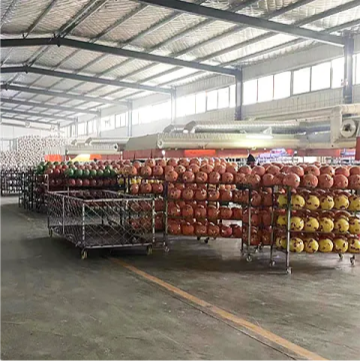
For international buyers, ensuring product quality and compliance with standards is paramount. At Hebei Starry Sports Goods, we integrate robust quality assurance protocols throughout our manufacturing process and hold relevant certifications to validate our commitment.
Our quality control measures include:
We are proud to hold certifications that demonstrate our commitment to quality and international standards. While specific product certifications may vary based on client requirements and regional regulations (e.g., CE for European markets, ASTM for US safety standards), our overarching manufacturing processes are aligned with international best practices. For volleyballs intended for official competition, we can ensure manufacturing to FIVB or USA Volleyball specifications. If a client requires specific testing or certification for their custom-branded balls, we have the experience to facilitate that process, often working with accredited third-party labs.

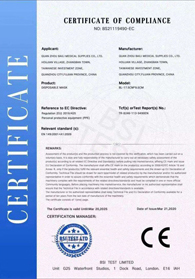
 Representative certifications may include ISO standards, CE compliance, and RoHS adherence.
For businesses importing sports equipment, understanding the supplier's quality control framework and certification status is a critical risk mitigation strategy. It ensures product consistency, reduces the likelihood of returns or recalls, and builds confidence with end consumers. Our established presence in the foreign trade market since 2016 underscores our capability to meet these demands reliably.
A: The official size for adult indoor and beach volleyball is typically a Size 5, with specific circumference and weight specifications set by FIVB and USA Volleyball.
A: While possible for casual play, it's not recommended for serious adult games. A Size 5 ball offers the proper feel, weight, and flight characteristics necessary for adult play and technique development.
A: Look for official markings or stamps from governing bodies like FIVB or USA Volleyball on the ball itself or its packaging. Reputable manufacturers will clearly state if their balls meet these standards.
A: No, the material affects the ball's feel, durability, and grip, but not its fundamental size or weight, which are dictated by international standards for each size category.
A: Contact us at Hebei Starry Sports Goods. We specialize in OEM/ODM services and can work with you to develop volleyballs that meet specific size, material, and design requirements for your brand.
Choosing the right volleyball size is fundamental to enhancing performance, ensuring player development, and prioritizing safety. Whether you're outfitting a professional team, a school program, or a retail inventory, Hebei Starry Sports Goods Co., Ltd. is your trusted partner for high-quality, regulation-compliant volleyballs.
Contact Us: +86 15713370191 | starry005@ballschina.com
WELCOME TO INQUIRE


LATEST NEWS
Crafted with precision and care, our soccer ball features a durable rubber core that ensures excellent bounce and resilience. The rubber material is not only lightweight but also provides the ideal amount of grip, allowing players to control the ball with ease. This means you can focus on perfecting your shots, passes, and tricks without worrying about the ball slipping away from you.
26,04 , 2026
Custom Mini Basketball Ball for Branding and Promotional Use
In today’s competitive marketplace, brands are constantly searching for creative, cost-effective way
READ MORE
24,04 , 2026
Size Guide for Basketballs Wholesale: From Youth to Professional
Choosing the right basketball size is one of the most important decisions for wholesalers, sports eq
READ MORE
23,04 , 2026
Outdoor vs Indoor Basketballs Wholesale: Key Differences
When sourcing basketballs in bulk, understanding the difference between outdoor and indoor models is
READ MORE