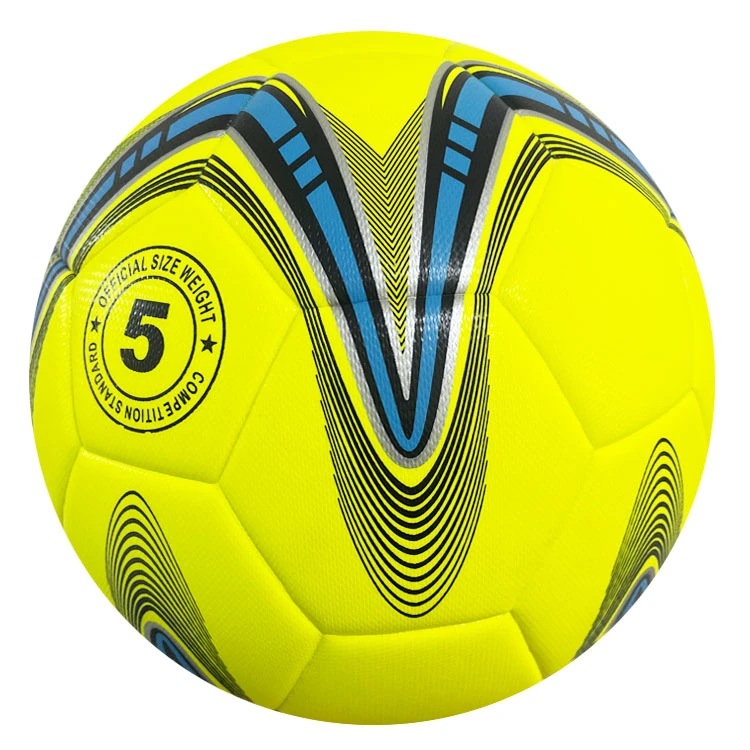
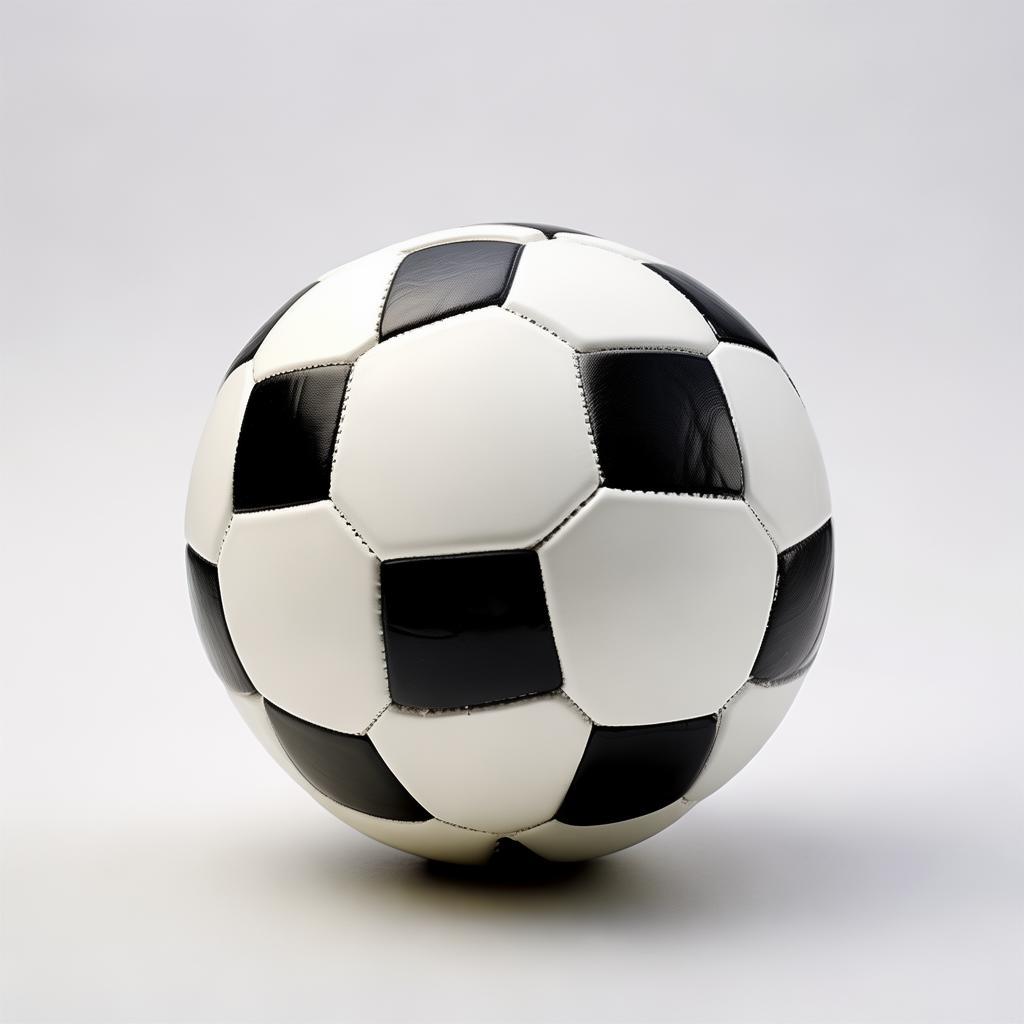
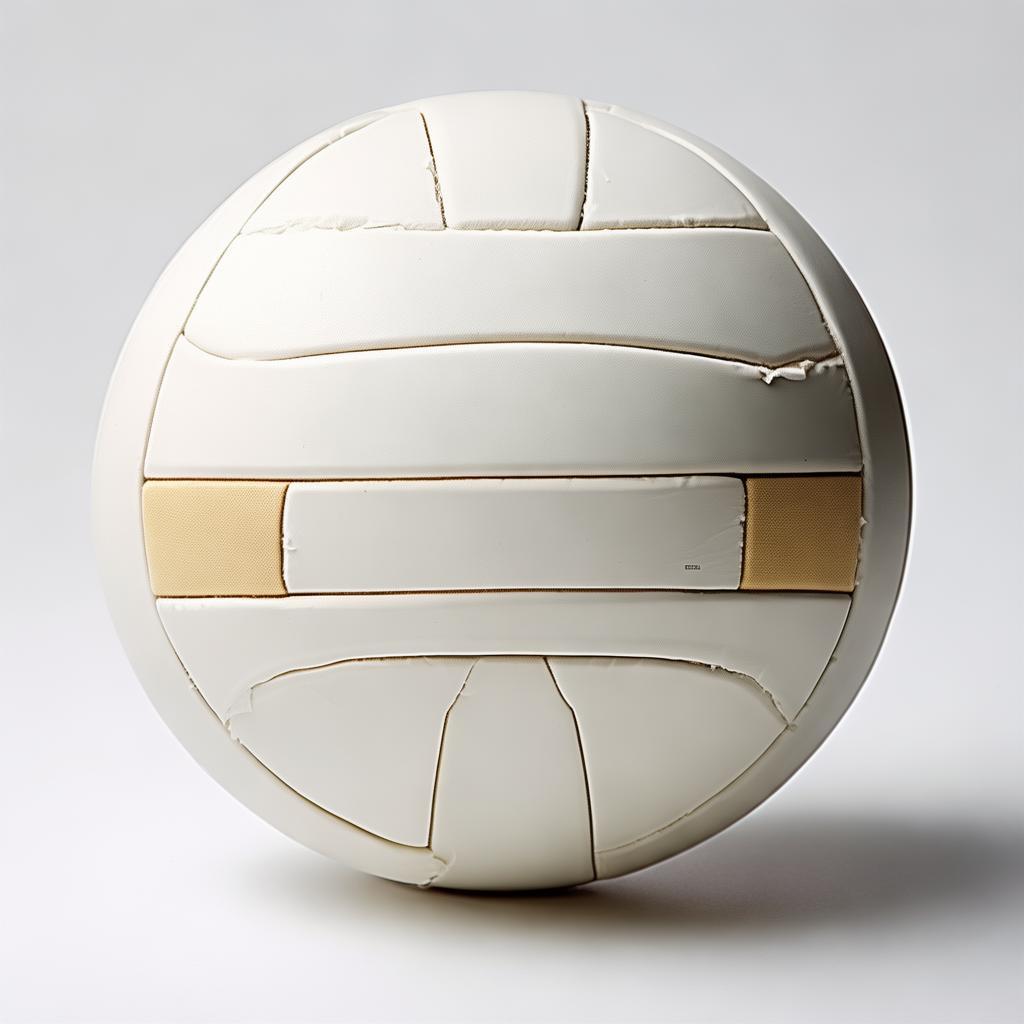
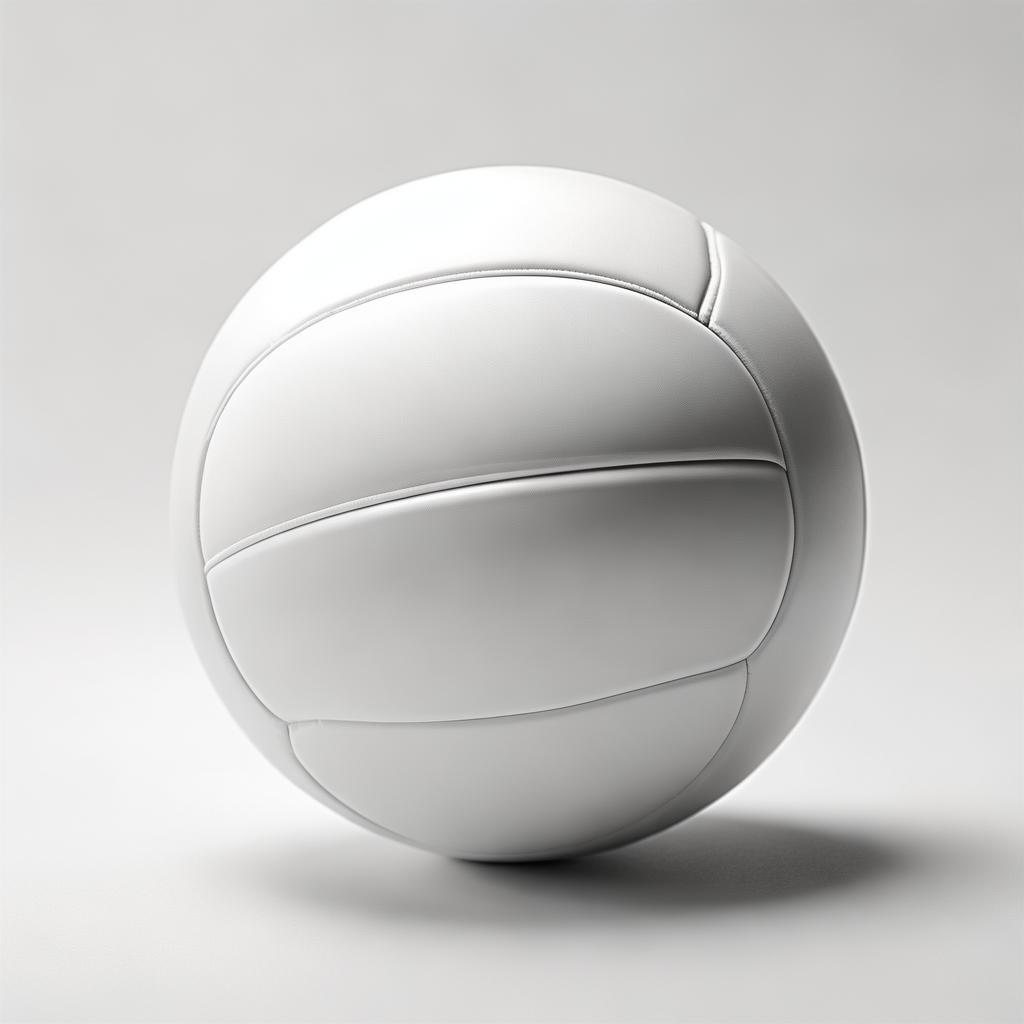
Navigating the specifics of soccer ball sizing is crucial for optimizing player performance, skill development, and overall enjoyment on the pitch. For youth leagues and specific training scenarios, the Size 4 soccer ball stands out as a critical piece of equipment. Understanding its exact dimensions, weight, circumference, and recommended age range is not just a matter of technical detail; it directly impacts how young players develop their touch, control, and tactical understanding of the game. Unlike the ubiquitous Size 5, which dominates professional play, the Size 4 ball is engineered with younger athletes in mind, offering a slightly smaller and lighter profile that makes it more manageable and less intimidating for developing legs and coordination.
The soccer ball market, while often perceived as straightforward, is actually quite nuanced. Market reports indicate a global soccer market valued at approximately USD 8.47 billion in 2025, projected to reach USD 9.97 billion by 2031 with a CAGR of 2.77%. While Size 5 balls dominate this landscape with over 51% share, the demand for smaller sizes, particularly Size 4, is intrinsically linked to the growth of youth football programs worldwide. These programs are the bedrock of future talent development, and the right equipment is paramount. For instance, some reports suggest the broader soccer balls market could grow to USD 6.84 billion by 2034 at a CAGR of around 9.40%, a figure that encompasses all sizes but is significantly influenced by participation rates, which are heavily skewed towards younger age groups using smaller balls. This creates a sustained, albeit niche, demand for Size 4 balls in both recreational and competitive youth environments.
From a manufacturing standpoint, producing a Size 4 ball involves precise calibration to meet official specifications. It's not merely a scaled-down version of a Size 5. The rebound, air pressure, and overall feel are all optimized for players aged 8 to 12. This age bracket is critical for developing fundamental techniques like dribbling, passing, and shooting. A ball that's too large or too heavy can hinder progress, leading to frustration and potentially discouraging participation. Conversely, a properly sized ball empowers young athletes, allowing them to build confidence and refine their skills effectively. The materials used, whether synthetic leather, PU, or TPU, also play a vital role in the ball's performance and durability, ensuring it can withstand the rigors of training and match play for this age group. Factories specializing in OEM/ODM production understand these subtle yet significant differences, tailoring their manufacturing processes to meet strict size and performance standards for each ball category.
Furthermore, the commercial viability of Size 4 soccer balls is tied to the global expansion of youth sports. As more regions invest in infrastructure and organized leagues, the demand for appropriate equipment escalates. This isn't just about individual player development; it's about equipping entire teams and leagues. Bulk orders from distributors, sports clubs, and educational institutions form a significant portion of the market. For suppliers like Hebei Starry Sports Goods Co., Ltd., understanding the precise technical requirements and market demand for Size 4 balls is key to serving this segment effectively. Our experience in the foreign trade market since 2016, coupled with a comprehensive manufacturing capacity of over 5 million sports balls annually, allows us to deliver consistent quality for all ball sizes, including the crucial Size 4.
The dimensions of a Size 4 soccer ball are not arbitrary. They are the result of decades of refinement, aimed at optimizing the game for specific age groups. For coaches, parents, and equipment managers, knowing these specifications ensures they are providing the best possible tools for young players to learn, grow, and enjoy the beautiful game. This guide will delve into the precise details of Size 4 soccer ball dimensions, explore why they matter for player development, and offer insights into selecting and sourcing these vital pieces of equipment from reputable manufacturers. We'll cover everything from circumference and weight to rebound characteristics and material considerations, providing a comprehensive overview for anyone involved in youth soccer procurement or player development.
When procuring soccer balls for youth leagues or specific training programs, adhering to official specifications is paramount. The Size 4 soccer ball is meticulously defined by governing bodies like FIFA and national federations to ensure consistency and fair play across different age groups. These standards dictate not only the physical size but also the weight and rebound characteristics, all tailored for players in a developmental stage.
| Specification | Dimensions | Notes |
|---|---|---|
| Circumference | 25 to 26 inches (63.5 to 66 cm) | This range ensures it's manageable for younger players. |
| Weight | 12 to 14 ounces (340 to 400 grams) | Lighter than a Size 5, aiding control and reducing fatigue. |
| Diameter | Approx. 7.95 to 8.28 inches (20.2 to 21 cm) | Derived from the circumference, a critical geometric factor. |
| Pressure | 7 to 9 PSI (0.5 to 0.6 bar) | Standard pressure for optimal rebound and feel. |
These precise measurements are not mere guidelines; they are the foundation for how a Size 4 ball interacts with a young player's foot. The circumference dictates how easily a child can wrap their foot around the ball for dribbling, and the weight directly influences the force required to kick and the ball's trajectory. A ball that is too heavy can lead to improper kicking mechanics, while one that is too light may fly unpredictably. Ensuring your procurement adheres to these official Size 4 soccer ball dimensions is the first step in providing an optimal playing experience.
Considering the broader market, the soccer balls market is projected to grow significantly. While Size 5 dominates the overall value, the volume share in youth segments is substantially driven by Size 4 and Size 3 balls. This persistent demand underscores the importance of reliable manufacturers who can consistently produce balls within these exact specifications. For example, the global football (soccer) market reports a CAGR of 2.77%, but this aggregate figure masks the dynamic growth within youth-focused segments, where Size 4 balls are indispensable.
The Size 4 soccer ball is specifically engineered for youth players, bridging the gap between junior sizes and the standard adult ball. This size is typically recommended for players within a particular age bracket, which can vary slightly based on the specific league or federation, but generally:
For procurement managers and sports organizations, specifying Size 4 balls for these age groups is not just a compliance issue; it's a strategic decision that supports player development. A player who can comfortably handle, pass, and shoot a Size 4 ball will build confidence and refine their technique much faster than one struggling with an oversized ball. This is crucial for player retention and fostering a lifelong love for the sport. The market is seeing continued growth in youth participation, which directly fuels demand for these specific sizes.
Consider the trend of increasing global participation in soccer, especially among younger demographics. Reports indicate substantial growth in youth sports markets, with equipment like Size 4 soccer balls being a consistent requirement. For instance, the Youth Sports Market is valued at USD 59.04 billion in 2026, with soccer being a major contributor. This sustained interest means a steady demand for appropriately sized equipment. Our factory has been active in the foreign trade market since 2016, observing and adapting to these evolving needs, ensuring we supply balls that meet international standards for all age groups.
The transition from smaller balls (like Size 3) to the Size 4 is a pivotal moment in a young player's development. It's where the game starts to resemble adult soccer more closely, demanding greater precision, power, and tactical awareness. The Size 4 ball, with its specific dimensions and weight, plays a direct role in fostering these skills:
From a procurement perspective, investing in genuine Size 4 balls ensures that youth programs are not inadvertently hindering player development. Cheaply made, off-spec balls can lead to incorrect technique development and player frustration. This is where partnering with experienced manufacturers like Hebei Starry Sports Goods Co., Ltd. becomes critical. Our commitment to quality control and adherence to international standards ensures that every Size 4 ball we produce is fit for purpose, supporting the growth of the next generation of soccer stars.
The market data supports the continuous need for these developmental balls. While the overall soccer market might show moderate growth (e.g., a CAGR of 3.9% as per one report), the youth segment, heavily reliant on Size 4 and Size 3 balls, is a consistent driver of volume. This isn't a trend that's likely to diminish, given the global popularity and ongoing investment in grassroots football development.
For those responsible for equipping sports organizations or retailers, understanding the distinction between a Size 4 and a Size 5 soccer ball is fundamental. While both are used in soccer, their intended applications and physical characteristics differ significantly, impacting player performance and development. These differences are not minor; they are engineered to serve distinct age groups and skill levels. Size 5 balls are the standard for adult professional and amateur play, while Size 4 is specifically for youth development.
| Feature | Size 4 Soccer Ball | Size 5 Soccer Ball |
|---|---|---|
| Recommended Age Group | 8 - 12 years | 12+ years (Adults) |
| Circumference | 25 - 26 inches (63.5 - 66 cm) | 27 - 28 inches (68 - 70 cm) |
| Weight | 12 - 14 ounces (340 - 400 grams) | 14 - 16 ounces (410 - 450 grams) |
| Diameter | Approx. 7.95 - 8.28 inches (20.2 - 21 cm) | Approx. 8.6 - 8.9 inches (21.8 - 22.6 cm) |
| Primary Use | Youth match play & training (ages 8-12) | Adult match play & training, competitive youth (U13+) |
size 4 soccer ball size size 4 soccer ball diameter size 5 soccer ball dimensions
The weight difference, in particular, is significant. A Size 5 ball requires more power to kick effectively and can be harder to control for players still developing their strength and coordination. For procurement managers, selecting the correct size ensures that players are using equipment appropriate for their physical capabilities, which is essential for skill development and preventing potential injuries. When sourcing, always confirm the specified size and weight against official standards. Our manufacturing process strictly adheres to these international benchmarks for both Size 4 and Size 5 balls, ensuring product integrity.
Market data frequently highlights Size 5 as the dominant segment in terms of value, but this often overlooks the sheer volume of Size 4 balls required to support global youth soccer participation. The growth of programs focused on early player development directly translates into sustained demand for Size 4 balls. Manufacturers who can reliably supply high-quality Size 4 balls are essential partners for the youth sports ecosystem.
The performance, durability, and feel of a Size 4 soccer ball are heavily influenced by the materials used and the construction methods employed. While the dimensions remain consistent, variations in material science and manufacturing techniques can significantly impact how the ball behaves on the pitch and how long it lasts, especially under the demands of youth training and match play. From the outer cover to the bladder, each component is crucial.
Outer Cover Materials:
Bladder:
Construction Methods:
When sourcing Size 4 soccer balls, consider the intended use. For match play and serious training, thermally bonded PU balls offer the best performance. For general practice and younger players, durable machine-stitched balls with butyl bladders provide excellent value and longevity. At Hebei Starry Sports Goods Co., Ltd., we utilize advanced manufacturing techniques and high-quality materials, including thermally bonded options, to produce Size 4 balls that meet the rigorous demands of modern youth soccer. Our annual output of over 5 million sports balls means we have the capacity and expertise to deliver consistently.
Industry reports highlight the growing demand for thermally bonded balls due to their superior performance characteristics, even in youth segments. This innovation in construction directly impacts the flight stability and durability that coaches and players value. We ensure our production lines are equipped to meet this demand, offering both thermally bonded and expertly machine-stitched options.
Producing a Size 4 soccer ball that consistently meets official specifications requires more than just cutting panels and stitching them together. It involves a deep understanding of materials, precise machinery, stringent quality control, and experienced labor. From our facility in Cangzhou, Hebei, we see firsthand the critical steps that go into creating a reliable youth soccer ball.
The process begins with the selection of raw materials. High-grade PU or durable synthetic leather for the cover, robust thread for stitching (if applicable), and high-quality butyl or latex for the bladder are essential. The precise cutting of the panels (typically 32 panels for traditional designs, though modern construction can vary) is critical; any deviation will affect the ball's final shape and flight characteristics. This often involves automated cutting machines guided by precise digital templates.
For thermally bonded balls, the application of specialized adhesives and the precision of the bonding machinery are paramount. This process demands controlled temperature, pressure, and time to ensure a strong, watertight seal between panels. For stitched balls, the stitching machines are calibrated to ensure consistent tension and seam integrity, preventing premature wear and tear. Each stitch must be tight and uniform.
Inflation is another critical stage. The bladder is inserted, and the ball is inflated to the correct pressure (7-9 PSI for Size 4). Over-inflation can stress seams, while under-inflation leads to poor performance. We use calibrated inflation systems to ensure accuracy. Following inflation, a rigorous quality control process begins. This includes:
Our facility in Xingji Town, Cangzhou City, operates with these principles at its core. With 316 dedicated workers and an annual output exceeding 5 million balls, we have the capacity and the expertise to produce high-quality Size 4 soccer balls consistently. Our strategic location near Tianjin Port also facilitates efficient international export. This operational knowledge allows us to guarantee that every ball leaving our factory meets the exact specifications required for youth development and competitive play. We’ve been in the foreign trade market since 2016, constantly refining our processes based on global feedback.
The emphasis on quality control and adherence to standards is what differentiates a mass-produced item from a reliable piece of sports equipment. For procurement officers, understanding these manufacturing realities helps in selecting suppliers who prioritize performance and consistency. Our total revenue exceeded 30 million in 2023, with customer coverage in 80% of global regions, a testament to our commitment.
Procuring Size 4 soccer balls for your organization, league, or retail business requires careful consideration. The market offers a wide range of options, from budget-friendly recreational balls to high-performance match balls. Making the right choice ensures players get the best experience while your organization gets good value for its investment. Here’s a breakdown of key considerations:
1. Define Your Need: Match vs. Training
2. Verify Specifications: Don't Assume Size 4 is Standard
Always confirm that the ball meets official Size 4 dimensions: circumference (25-26 inches), weight (340-400 grams), and recommended pressure (7-9 PSI). Reputable suppliers will provide these specifications clearly. Poorly manufactured balls can fall outside these ranges, negatively impacting play.
3. Material Quality: The Feel and Durability Factor
A good PU cover offers superior touch and responsiveness. While PVC is more economical, it can be less forgiving in terms of feel and performance. For youth players, a softer, more responsive ball can significantly enhance their learning experience.
4. Supplier Reputation & Certifications
When sourcing internationally, look for manufacturers with a proven track record and export experience. Certifications (like ISO standards for quality management) can be an indicator of a factory’s commitment to processes. Hebei Starry Sports Goods Co., Ltd. has been a trusted name in the foreign trade market since 2016, exporting globally and meeting diverse client needs.
5. OEM/ODM Capabilities
If you require custom branding, unique colorways, or specific material combinations, inquire about OEM (Original Equipment Manufacturer) or ODM (Original Design Manufacturer) services. As an established factory, we offer these capabilities, allowing you to create a product tailored to your brand or league.
6. Sample Orders & Bulk Pricing
Always request samples to evaluate quality before placing a large order. Discuss bulk pricing structures, minimum order quantities (MOQs), and lead times. Our factory is equipped to handle large-scale orders efficiently, ensuring timely delivery. We understand that procurement decisions are driven by a balance of quality, cost, and reliability. Partnering with us means gaining access to manufacturing expertise honed over years of international trade.
The global soccer ball market continues to evolve, with increasing demand for performance and durability across all sizes. Choosing a sourcing partner that understands these nuances is critical for success. Our location near Tianjin Port streamlines logistics, making international shipments efficient for clients worldwide.
The main differences lie in circumference, weight, and intended age group. Size 4 balls are smaller and lighter, designed for players aged 8-12, while Size 5 balls are larger and heavier, used by players aged 12 and above, including adults. This sizing is crucial for proper skill development and playability.
While technically possible, it's not recommended for competitive play or serious training for players aged 12 and older. A Size 5 ball is designed to provide the correct challenge, flight characteristics, and performance required for older players. Using a Size 4 might hinder the development of proper technique and power.
The recommended pressure for a Size 4 ball is between 7 and 9 PSI (pounds per square inch). You can use a standard ball pressure gauge. A simple field test: hold the ball at shoulder height and drop it. It should rebound to about half to two-thirds of its original height (around 55-65% rebound). Over-inflated balls are hard and can be dangerous; under-inflated balls lack responsiveness.
Thermally bonded balls have panels fused together with heat and pressure, resulting in a seamless surface. This leads to better sphericity, less water absorption, and more consistent flight. Stitched balls (machine or hand) have panels sewn together. They can be very durable but may absorb more water and have slightly less consistent flight paths. Thermally bonded balls are generally considered higher performance.
For bulk sourcing, it's best to partner directly with experienced manufacturers. Companies like Hebei Starry Sports Goods Co., Ltd. specialize in producing sports balls, including Size 4 soccer balls, to international standards. We offer OEM/ODM services and have a strong export history, ensuring quality and competitive pricing. Contact us for catalog and quotation.

Youth Soccer Director, USA
"We've been sourcing Size 4 balls from Starry for our U10 and U11 leagues for three seasons now. The consistency in dimensions and durability is excellent. They hold air well, which means fewer interruptions during training sessions. Definitely a reliable partner for youth equipment."
- Purchased: 500 Size 4 Training Balls

Sports Distributor, Italy
"As a distributor, quality and timely delivery are key. Starry Sports Goods has consistently met our demands for Size 4 match balls. Their thermally bonded options are particularly popular with our youth academy clients. The communication and logistics have always been smooth."
- Ongoing Orders for Size 4 Match Balls

School Sports Coordinator, Canada
"We needed a reliable supply of Size 4 balls for our school's junior soccer program. Starry provided exactly what we needed – durable, well-priced balls that can withstand daily use. Their OEM service for custom branding was also very efficient."
- Purchased: 250 Custom Branded Size 4 Balls
Don't compromise on player development. Ensure your young athletes have the best tools for learning and growth. Partner with Hebei Starry Sports Goods Co., Ltd., a manufacturer with years of experience and a commitment to quality.
We are committed to providing the highest quality sports equipment to partners worldwide. Let's build something great together.
WELCOME TO INQUIRE


LATEST NEWS
Crafted with precision and care, our soccer ball features a durable rubber core that ensures excellent bounce and resilience. The rubber material is not only lightweight but also provides the ideal amount of grip, allowing players to control the ball with ease. This means you can focus on perfecting your shots, passes, and tricks without worrying about the ball slipping away from you.
26,04 , 2026
Custom Mini Basketball Ball for Branding and Promotional Use
In today’s competitive marketplace, brands are constantly searching for creative, cost-effective way
READ MORE
24,04 , 2026
Size Guide for Basketballs Wholesale: From Youth to Professional
Choosing the right basketball size is one of the most important decisions for wholesalers, sports eq
READ MORE
23,04 , 2026
Outdoor vs Indoor Basketballs Wholesale: Key Differences
When sourcing basketballs in bulk, understanding the difference between outdoor and indoor models is
READ MORE