
Navigating the different dimensions and their impact on gameplay and procurement.
 By Alex Chen, Senior Product Development Specialist
When stepping onto the court, whether for a casual pickup game or a competitive league match, the basketball you're holding feels familiar. Yet, the subtle variations in its size can significantly influence how the game is played, how players develop, and ultimately, how procurement decisions are made by distributors, athletic programs, and retailers. It's not just about a number; it's about weight, grip, ball trajectory, and player comfort. For an industry professional – be it a coach selecting equipment for a youth league, a purchasing manager for a school district, or an international distributor sourcing wholesale sports goods – understanding these nuances is paramount. This deep dive into basketball sizes aims to clarify the standards, guide your selection, and offer insights from a manufacturing and export perspective.
The basketball market, while perhaps not as expansive as the football (soccer) market which was valued at approximately USD 8.47 billion in 2025 and projected to reach USD 9.97 billion by 2031, is a robust sector within the broader ball sports equipment industry. According to Mordor Intelligence, the global football market sees Size 5 balls dominate with over 51% share. While basketball has its own distinct size categories, the principle of how specific dimensions cater to different user groups remains consistent. For instance, the global basketball balls market was valued at USD 2,007.3 million in 2024 and is expected to reach USD 3,800 million by 2035 at a CAGR of 6.0%, demonstrating a substantial and growing demand for these specialized items.
From a manufacturing standpoint, precision in sizing is non-negotiable. It impacts material usage, mold specifications, and the final product's adherence to international standards set by bodies like FIBA (International Basketball Federation). For wholesale buyers, understanding the target market for each size is crucial for inventory management and sales strategy. A common mistake for new importers is overlooking the specific sizing requirements for different regions or age groups, leading to overstock of unsellable items. We've seen markets where a Size 6 is standard for women's professional play, while in other regions, a Size 7 is the undisputed king for all adult play. This guide will help you decode these variations.
Let's consider the operational side of procurement. When ordering in bulk for athletic leagues or sporting goods stores, the specified size directly influences manufacturing lead times and logistics. A batch of Size 5 balls, typically for younger players, might have slightly different production parameters than a large order of Size 7s, often used by men's professional leagues. This also affects packaging and shipping volumes. Furthermore, the interaction between ball size, its material (like composite leather, rubber, or genuine leather), and its construction method (stitched, molded, or thermally bonded) is a complex interplay that defines performance. A thermally bonded Size 7, for example, offers superior sphericity and water resistance compared to a traditionally stitched ball, directly impacting its suitability for outdoor courts or demanding indoor environments.
The demand for basketballs is further segmented by usage: professional matches, training, and recreational play. The Basketball Equipment Market size is projected to grow from USD 9.07 billion in 2026 to USD 13.42 billion by 2034 at a CAGR of 5.02%, with basketball balls holding a leading share (~55%) due to recurring demand. This sustained demand highlights the importance of having a reliable supply chain that can deliver consistent quality across all sizes. Our company, Hebei Starry Sports Goods Co, Ltd, has been a part of this global trade since 2016, manufacturing millions of sports balls annually. We understand that delivering the right size, to the right specifications, at the right time, is the bedrock of successful international B2B trade in sports goods.
This comprehensive guide will not only break down the standard basketball sizes (Size 5, Size 6, and Size 7) but also delve into their specific applications, the technical considerations for manufacturers and buyers, and how to approach bulk purchasing or OEM/ODM inquiries. We aim to equip you with the knowledge to make informed decisions, whether you're a seasoned buyer or new to sourcing sports equipment.
Basketball sizing is standardized to ensure fair play and consistent performance across different leagues and age groups. While variations exist, three primary sizes are globally recognized and form the basis for most manufacturing and procurement. It's crucial to align your sourcing with these established standards to meet market expectations.
| Size | Circumference | Weight | Typical Users | Primary Use Cases |
|---|---|---|---|---|
| Size 7 | 29.5 inches (75 cm) | 20-22 ounces (567-624 grams) | Men's Professional & Collegiate (NCAA Men's, NBA) | Official Men's Competition, High-Level Training |
| Size 6 | 28.5 inches (72.4 cm) | 17-19 ounces (482-539 grams) | Women's Professional & Collegiate (NCAA Women's, WNBA), Youth Boys (12-14 years) | Official Women's Competition, Youth Development |
| Size 5 | 27.5 inches (69.9 cm) | 14-16 ounces (397-454 grams) | Youth (Ages 8-11), Basic Recreational Play | Junior Leagues, Youth Training, Recreational Games |
sizes of basketballs size of basketball size basketballs
It's important to note that official governing bodies like FIBA often have slightly different specifications, particularly for international competitions. For instance, FIBA's official ball for men's competitions is a Size 7, mirroring the NBA, but for women and U19 men, FIBA specifies a Size 6. Always cross-reference with the specific league or federation requirements if precision is critical for your end-users.
The weight and circumference are not arbitrary; they are engineered to provide specific handling characteristics. A larger, heavier ball (Size 7) requires more strength and coordination to dribble, pass, and shoot, which is why it's suited for adult male players. Conversely, the lighter, slightly smaller Size 6 and Size 5 balls are designed to be more manageable for younger players or female athletes, allowing them to develop proper shooting form and ball-handling skills without being overpowered by the ball's size and weight. This deliberate sizing directly impacts player development pathways.
In the context of wholesale supply, understanding these size classifications is fundamental. Distributors serving different markets – be it youth sports organizations, collegiate athletic departments, or international retailers – must ensure their inventory accurately reflects these demands. Failing to do so can lead to significant stock imbalances and missed sales opportunities. Our experience since 2014 in manufacturing these balls has shown us the critical importance of this detail. We produce millions of balls annually, catering to all these specifications, ensuring our partners have the right product mix.
*Note: Minor variations in circumference and weight can exist between manufacturers and even between different product lines from the same manufacturer, but they generally adhere to these standard ranges.*
Choosing the correct basketball size is more than just following a chart; it's about optimizing player performance, safety, and enjoyment. For procurement professionals, this translates into meeting customer needs and ensuring product suitability for specific demographics. Here’s a breakdown to guide your decisions:
For the youngest players, typically aged 11 and under, a Size 5 basketball is the standard. Its smaller circumference (around 27.5 inches) and lighter weight (14-16 ounces) make it manageable for developing hands. This size is crucial for building fundamental skills like dribbling, passing, and shooting form without frustration. It fosters confidence and encourages consistent practice.
If you're stocking for youth leagues or sports retailers targeting families, prioritize reliable suppliers who can provide durable, consistent Size 5 balls. We recommend materials like high-grade rubber or PU composites for this age group, ensuring longevity even with frequent use on various surfaces.
The Size 6 basketball (around 28.5 inches circumference, 17-19 ounces) bridges the gap. It's the official size for women's professional and collegiate leagues (WNBA, NCAA Women's) and is also used for boys aged 12-14. Transitioning to a Size 6 helps these young male players adapt to the feel of an adult-sized ball while still being manageable. For female players, it's the standard for optimal shooting mechanics and handling.
For suppliers catering to women's sports programs or middle school boys' teams, a strong inventory of Size 6 balls is essential. Ensure these balls offer good grip and consistent bounce, especially if they are intended for outdoor use.
The Size 7 basketball is the standard for men's professional, collegiate, and high school basketball (NBA, NCAA Men's, FIBA Men's). With a circumference of 29.5 inches and weighing 20-22 ounces, it demands strength, skill, and precise technique. This is the ball most people envision when they think of basketball.
For distributors aiming at adult male leagues, sports clubs, and general athletic retailers, Size 7 balls will likely constitute the largest portion of your basketball sales. Offering a range of quality levels—from durable recreational balls to high-performance composite leather balls suitable for competition—will maximize market penetration. As a manufacturer, we focus on producing Size 7 balls that meet FIBA and NBA guidelines for bounce consistency and surface feel.
While official sizes are critical for league play, recreational markets may have more flexibility. However, even for casual use, adhering to the general size guidelines based on age and gender provides the best playing experience. Lower-quality, cheaper balls might not hold their shape or bounce consistently, regardless of size, leading to player dissatisfaction. When sourcing for mass retail, a balance between cost-effectiveness and quality is key. Our production capabilities allow us to offer balls that meet these diverse market needs, from entry-level rubber balls to premium composite options.
While size is a primary determinant of a basketball's suitability, the materials used and how the ball is constructed play an equally vital role in its performance, durability, and feel. Understanding these elements is crucial for wholesale buyers looking to differentiate their product offerings and for manufacturers aiming to meet specific market demands.
Basketballs are generally made from one of three main materials:
The way panels are joined significantly impacts the ball's sphericity, durability, and water resistance. This is a key area where manufacturing expertise shines.
When sourcing, consider the intended use. For indoor competition, high-quality composite leather with thermal bonding is ideal. For outdoor recreational use, durable rubber or composite balls with molded or thermally bonded construction offer better longevity. As a supplier, understanding these technical details allows us to recommend the most suitable product for your market needs.
The interplay between size, material, and construction is critical. A Size 7 ball made of low-grade rubber with stitched panels will perform very differently from a Size 7 composite leather ball that is thermally bonded. The latter will maintain its shape, grip, and bounce consistency under demanding conditions, justifying its higher price point. This level of detail is what differentiates premium offerings and builds trust with buyers.
For businesses involved in international trade of sports goods, securing a reliable supply of basketballs at competitive prices is a strategic imperative. This involves understanding bulk purchasing dynamics, the possibilities of OEM/ODM manufacturing, and the critical process of vetting suppliers. Hebei Starry Sports Goods Co, Ltd, with its extensive experience since 2014 and annual output exceeding 5 million units, is well-positioned to assist international partners.
Ordering in bulk offers significant cost advantages. Key factors to negotiate and confirm include:
If you aim to build your own brand or require specific product features not readily available, Original Equipment Manufacturer (OEM) and Original Design Manufacturer (ODM) services are crucial.
We offer both OEM and ODM services for basketballs, volleyballs, and footballs. This includes custom panel designs, material choices, branding (logos, colors), and even unique construction features. For instance, a client might want a specific grip pattern on a Size 6 ball for a regional market; we can engineer that. Our experience since 2016 in international trade means we understand the documentation and compliance needed for various export markets.
Choosing the right manufacturing partner is critical for long-term success. Look for:
With a revenue of over 30 million in 2023 and customer coverage in 80% of global regions, Hebei Starry Sports Goods Co, Ltd is a proven partner. We pride ourselves on transparency, quality, and reliable delivery. Let's discuss how we can fulfill your specific basketball sourcing needs.
A: The standard size for men's professional basketball, including the NBA and NCAA Men's, is Size 7. It has a circumference of 29.5 inches and weighs between 20-22 ounces.
A: Women's professional leagues, such as the WNBA and NCAA Women's, use a Size 6 basketball. It has a circumference of 28.5 inches and weighs 17-19 ounces. This size is also often used for boys aged 12-14.
A: It's not recommended. Using a ball that is too large or heavy can hinder skill development and even lead to injury. For children aged 11 and under, Size 5 is the appropriate choice. For ages 8-11, Size 5 is standard; for younger children (5-7), a Size 4 might be even better, though Size 5 is often used for a smoother transition. Our wholesale options include durable Size 5 balls perfect for youth programs.
A: Thermally bonded construction involves using heat and pressure to fuse the panels of the basketball together, creating a seamless surface. This method results in superior sphericity, reduced water absorption, and enhanced durability compared to traditional stitched or glued methods. It's a mark of quality for high-performance balls.
A: You would typically engage in an OEM (Original Equipment Manufacturer) or ODM (Original Design Manufacturer) arrangement. With OEM, you provide specific designs and specifications. With ODM, you work with the manufacturer to develop a product based on your needs. We at Hebei Starry Sports Goods Co, Ltd offer both, allowing you to customize sizes, materials, colors, and branding for your unique product line.
A: It's crucial to vet your supplier thoroughly. Request detailed product specifications, check for relevant certifications (like ISO), ask for samples before placing a large order, and consider arranging for third-party quality control inspections before shipment. Clear communication regarding size standards, materials, and construction methods is also paramount. Our rigorous QC processes ensure that every ball leaving our facility meets the agreed-upon standards.
Whether you need standard-sized basketballs for leagues, custom OEM/ODM solutions for your brand, or bulk orders for distribution, Hebei Starry Sports Goods Co, Ltd has the manufacturing expertise and global reach to meet your needs.
Contact us today: +86 15713370191 | starry005@ballschina.com
WELCOME TO INQUIRE


LATEST NEWS
Crafted with precision and care, our soccer ball features a durable rubber core that ensures excellent bounce and resilience. The rubber material is not only lightweight but also provides the ideal amount of grip, allowing players to control the ball with ease. This means you can focus on perfecting your shots, passes, and tricks without worrying about the ball slipping away from you.
26,04 , 2026
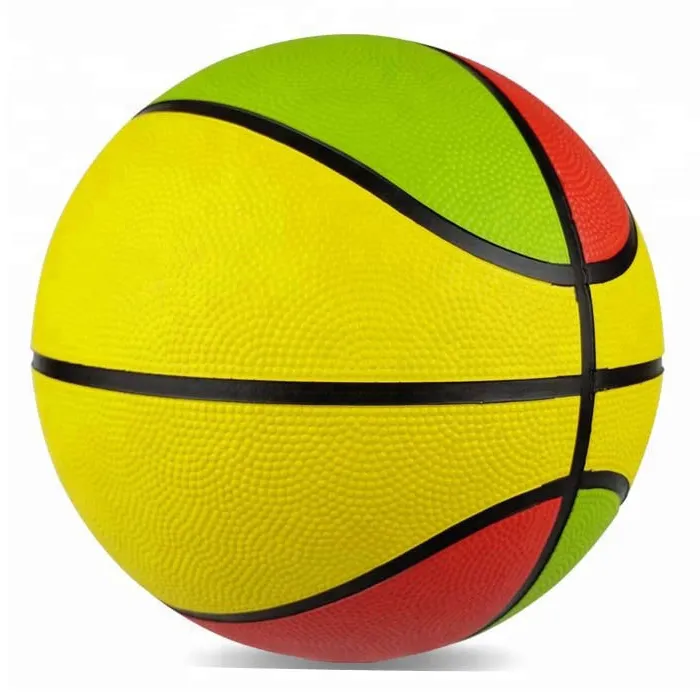
Custom Mini Basketball Ball for Branding and Promotional Use
In today’s competitive marketplace, brands are constantly searching for creative, cost-effective way
READ MORE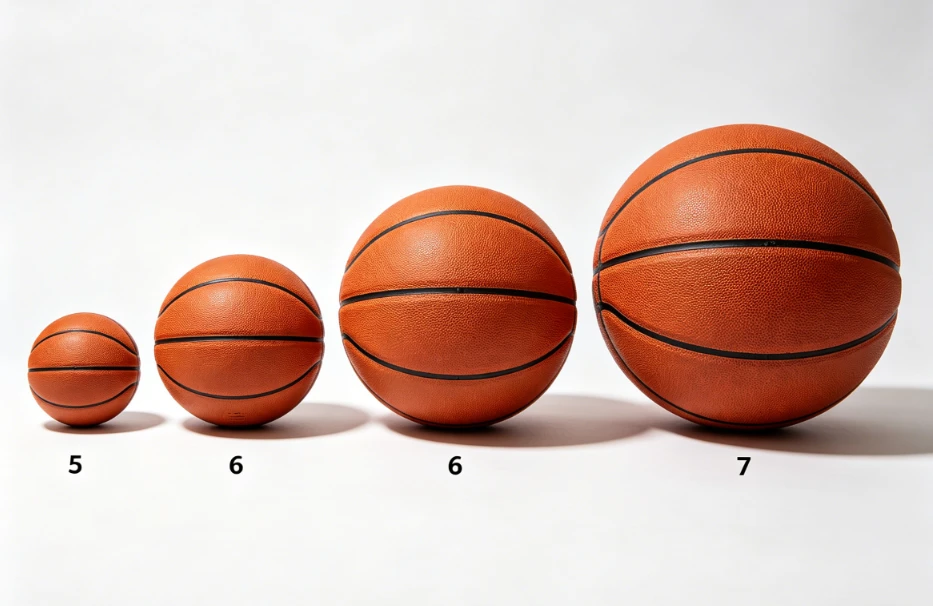
24,04 , 2026
Size Guide for Basketballs Wholesale: From Youth to Professional
Choosing the right basketball size is one of the most important decisions for wholesalers, sports eq
READ MORE
23,04 , 2026
Outdoor vs Indoor Basketballs Wholesale: Key Differences
When sourcing basketballs in bulk, understanding the difference between outdoor and indoor models is
READ MORE