
 By Alex Chen | Senior Export Manager, Hebei Starry Sports Goods Co., Ltd.
Published: October 26, 2023
When sourcing sports equipment for international markets, especially something as seemingly straightforward as a basketball, overlooking fundamental details can lead to significant logistical headaches and, frankly, unhappy customers. The "size of basketball" isn't just a player's preference; it's a critical specification that dictates usability, market suitability, and even compliance with sporting regulations. For procurement managers, distributors, and wholesale buyers operating across borders, understanding these variations is paramount. We're not just talking about diameter and circumference; we're discussing standardized sizes that cater to different age groups, skill levels, and even the specific requirements of organized leagues and tournaments.
In the global sports goods market, the soccer ball segment has seen significant growth, with reports suggesting the market valued at approximately USD 8.47 billion in 2025 and projected to reach USD 9.97 billion by 2031. (Mordor Intelligence). Similarly, the basketball market is robust, with projections indicating growth to USD 3.8 billion by 2035 at a CAGR of 6.0%. (WiseGuyReports). This indicates a strong, ongoing demand for quality sports balls. For basketballs specifically, understanding size is the first step in meeting this demand effectively. A Size 7 ball intended for adult men's professional play will be unsuitable for a youth league, and vice-versa. Such mismatches can lead to returns, damaged inventory, and a tarnished reputation for quality and reliability – factors that are amplified in cross-border transactions where shipping costs and lead times are substantial.
At Hebei Starry Sports Goods Co., Ltd., established in November 2014, we've been manufacturing basketballs, footballs, and volleyballs for the export market since 2016. Our operational experience has shown us that clarity on specifications, including precise basketball sizing, is the bedrock of successful international trade. We've navigated the complexities of export, serving clients across Asia, Europe, and South America, and understand that a ball's size is directly tied to its intended user and application. This guide is designed to demystify basketball sizes for procurement professionals, ensuring you source the right product for your specific market needs, optimizing your inventory and ensuring customer satisfaction. Let's get into the details that truly matter.
We aim to provide clarity on standard basketball sizes, material options, and what to look for when selecting a manufacturing partner capable of consistent quality and reliable delivery, crucial for maintaining supply chain integrity. The market for sports balls, including basketballs, is dynamic, with innovations in materials and construction continuously shaping product offerings. As the global ball sports equipment market is projected to reach USD 105.57 billion by 2034 at a CAGR of 4.96% (Fortune Business Insights), staying informed about foundational elements like sizing is key to capitalizing on this growth.
Many buyers, especially those new to the sports equipment import/export landscape, often run into unexpected challenges related to product specifications. For basketballs, sizing is a prime example where a simple oversight can snowball into significant issues. Imagine receiving a shipment of balls clearly marked as "official size" only to find they don't meet the regulations for the primary league or distributor in your target market. This isn't just about a few inches in circumference; it's about non-compliance that can invalidate contracts and lead to substantial financial losses.
Common procurement pitfalls related to basketball sizes include:
Addressing these issues requires a proactive approach: clear communication with your supplier, understanding the standards of your target market, and rigorous quality checks. For example, the basketball balls market is expected to reach USD 3.8 billion by 2035 (WiseGuyReports), indicating a vast but competitive landscape where attention to detail is crucial.
At Hebei Starry Sports Goods Co., Ltd., we pride ourselves on delivering sports balls that meet rigorous international standards. Our commitment to quality begins with understanding and meticulously adhering to precise basketball sizing requirements. For years, we've specialized in the export market, which demands not just adherence to specifications but also a deep understanding of how these specifications impact end-user experience and market acceptance.
Our advantages in providing accurately sized basketballs include:
Our production lines are calibrated to manufacture balls precisely according to global standards (FIBA, NBA, NCAA, etc.). We utilize advanced machinery and stringent quality control protocols at every stage, from material molding to inflation and final inspection, ensuring each ball meets its designated size and circumference specifications. This operational discipline is vital, especially when meeting the demands of wholesale buyers who rely on consistency.
The choice of material significantly influences a ball's feel, grip, and durability, but it also plays a role in maintaining consistent size and shape over time. We offer a range of materials, from durable rubber for outdoor play to premium composite leather for indoor courts. Regardless of the material, our manufacturing process ensures the ball retains its intended size and performance characteristics throughout its lifespan.
While we adhere to established standards, we also offer OEM/ODM services to tailor basketballs to your specific market's needs, including precise sizing for unique leagues or promotional requirements. This flexibility is a key benefit for distributors looking to differentiate their offerings. Our team has the technical expertise to work with your requirements, ensuring the final product is a perfect fit.
With a total revenue exceeding 30 million in 2023 and customer coverage in 80% of global regions, our export expertise is extensive. We understand the regulatory nuances and logistical challenges associated with international trade. When you partner with Starry Sports, you're partnering with a manufacturer that delivers not only quality-controlled, correctly sized basketballs but also a streamlined export experience, minimizing risks and maximizing efficiency.
Understanding the different basketball sizes is crucial for procurement, ensuring you select the correct ball for your target demographic. These sizes are standardized by circumference and weight, dictating their use for various age groups and competition levels. Below is a breakdown of the most common basketball sizes used globally, with a focus on those recognized by major sporting bodies.
| Size | Circumference | Diameter | Weight | Primary Use | Governing Bodies (Typical) |
|---|---|---|---|---|---|
| Size 7 | 29.5 inches (75 cm) | ~9.4 inches (23.9 cm) | 22 oz (623.7 g) | Men's Professional & College (NBA, FIBA, NCAA) | NBA, FIBA, NCAA |
| Size 6 | 28.5 inches (72 cm) | ~9.1 inches (23.1 cm) | 20 oz (567 g) | Women's Professional & College (WNBA, NCAA), Boys' 12-14 years | WNBA, FIBA (some classifications), NCAA |
| Size 5 | 27.5 inches (70 cm) | ~8.8 inches (22.3 cm) | 17-19 oz (482-539 g) | Youth (Ages 9-11), Junior International | FIBA, Youth Leagues |
| Size 4 | 25.5 inches (65 cm) | ~8.1 inches (20.6 cm) | 15-17 oz (425-482 g) | Youth (Ages 6-8), Skill Development | Youth Leagues |
| Size 3 | 22 inches (56 cm) | ~7.0 inches (17.8 cm) | 14-15 oz (397-425 g) | Young Children (Ages 5 and under), Mini Basketball | Mini Basketball Programs |
size of basketballs size basketball size basketballs
It's important to note that while these are standard, subtle variations can exist. Our manufacturing process focuses on precise adherence to these dimensions, ensuring that the balls we supply are accurately represented and suitable for their intended markets. For instance, the global soccer ball market sees Size 5 balls dominating with over 51% share (Mordor Intelligence), highlighting the importance of standard sizing across different ball sports for market penetration.
The material used in a basketball's construction directly impacts its feel, grip, durability, and suitability for indoor versus outdoor play. As a wholesale buyer, understanding these material differences is key to sourcing the right product for your market segment. At Hebei Starry Sports Goods Co., Ltd., we offer a range of options, each engineered for specific performance characteristics.
Pros: Highly durable, excellent grip, weather-resistant, cost-effective. Ideal for outdoor courts, playgrounds, and general recreational use where ruggedness is paramount.
Cons: Can feel harder, less sophisticated grip compared to higher-end materials. Often heavier.
Best For: Outdoor courts, schoolyards, casual play, high-volume budget-conscious markets.
Pros: Offers a feel closer to genuine leather, good grip, durable, versatile for both indoor and outdoor use. A popular choice for mid-range to premium recreational and training balls.
Cons: Grip can degrade slightly faster than premium composite over extended use outdoors compared to rubber. Can be susceptible to extreme temperatures affecting feel.
Best For: Indoor/outdoor recreational leagues, school programs, general training, a balanced option for broad appeal.
Pros: Superior grip and feel, develops a rich patina over time, preferred for high-level indoor play.
Cons: Significantly more expensive, not durable for outdoor use, requires break-in period, susceptible to moisture damage.
Best For: Professional indoor leagues (NBA, FIBA), high-end training facilities, premium retail markets.
While the basketball market is substantial, with projections showing growth for related equipment (Basketball Gear Market, estimated USD 900.5 million in 2024, Grand View Research), the choice of material directly impacts the perceived value and performance. We ensure that each material choice aligns with the intended use and market expectations, whether for wholesale distribution or custom OEM projects.
When we talk about the "size of basketball," it's not just about how it fits a player's hand or the hoop. It's also about how that size fits into different market applications and procurement strategies. The balls we manufacture are designed for a spectrum of uses, each requiring specific quality and sizing considerations.
The global basketball equipment market, which includes balls, is projected to reach USD 1.19 billion by 2030 at a CAGR of 4.8% (Grand View Research). This diverse market landscape means that understanding the intended application of the basketballs you procure is as important as understanding their physical dimensions. Our role as a manufacturer is to ensure the product you order is precisely engineered for its intended application.
Procuring basketballs internationally involves more than just selecting the right size and material. Efficient logistics and proper handling are critical to ensuring products arrive in optimal condition and at a competitive cost. As an experienced exporter, we focus on these aspects to support our global clients.
Considerations for wholesale international orders:
Our experience in exporting millions of sports balls annually means we've refined our logistics processes to offer reliable and cost-effective shipping solutions. We can provide quotes for various shipping scenarios (FOB, CIF, etc.) to best suit your procurement strategy.
Selecting a reliable manufacturing partner for basketballs is a significant decision for any B2B buyer. Beyond just price, several factors indicate a supplier's capability to consistently deliver quality products that meet your specifications, especially concerning precise sizing. As a company that has been in the foreign trade market since 2016 and achieved over 30 million in revenue in 2023, we understand what buyers look for.
When evaluating potential suppliers, consider the following:
Choosing a supplier like Hebei Starry Sports Goods Co., Ltd., with proven international trade experience and a commitment to quality, mitigates risks associated with size inaccuracies and logistical challenges. Remember, the global sports balls market is projected to expand, and partnering with a capable supplier is key to capturing this growth.
Compliance with international standards is a hallmark of quality and a critical factor for buyers in regulated markets. While specific certifications for basketballs themselves can vary, adherence to general quality management and material safety standards is crucial.

ISO 9001

RoHS Compliant Materials

CE Marking
Hebei Starry Sports Goods Co., Ltd. adheres to stringent quality management systems, often aligned with ISO 9001 principles, to ensure consistency in our manufacturing processes. We also ensure that the materials used in our products comply with environmental regulations like RoHS where applicable. For products entering the European market, CE marking is also considered. These certifications are not just badges; they are affirmations of our commitment to delivering safe, reliable, and globally compliant sports equipment. For specific league certifications (e.g., FIBA Approved), we work with clients to ensure balls meet those distinct requirements.
This depends primarily on the age groups and competition levels you intend to serve. For example, if you are supplying to adult men's leagues, Size 7 is standard. For women's leagues, Size 6 is the norm. For youth leagues, you'll need to consider Size 5 for ages 9-11, Size 4 for ages 6-8, and Size 3 for younger children. It's always best to consult the specific regulations of the leagues or governing bodies in your target market.
The standard sizes (e.g., Size 7) remain consistent. The main difference lies in the material and construction. Outdoor balls are typically made from durable rubber or robust composite materials designed to withstand abrasive surfaces and weather. Indoor balls often use premium composite leather or genuine leather for a softer feel and better grip on clean courts. While size is constant, the material choice impacts performance and longevity in different environments.
While we focus on producing balls that meet established global standards like FIBA and NBA for quality and market acceptance, we can discuss custom specifications through our OEM/ODM services. However, it's important to understand that non-standard sizes might limit marketability unless there's a specific, established niche for them. We recommend sticking to recognized standards for broader appeal and ease of integration into existing sporting ecosystems.
Consistency is a cornerstone of our manufacturing process. We utilize advanced, calibrated machinery for molding and inflation, and our quality control team conducts regular checks throughout production. Each batch undergoes rigorous testing to ensure dimensions, weight, and bounce characteristics fall within very tight tolerances. This meticulous approach is how we maintain product integrity for orders ranging from hundreds to thousands of units.
Lead times vary depending on the order volume, material complexity, and current production schedule. Generally, for large wholesale orders, production can range from 30 to 60 days after order confirmation and deposit. Shipping time will be additional, depending on the destination. We provide detailed lead time estimates upon receiving your specific order requirements.
 Maria Sanchez
"We've been sourcing basketballs from Starry Sports for over three years. Their consistency in Size 7 balls is outstanding, which is critical for our contracts with Mexican youth leagues. The materials hold up well even on outdoor courts. Their communication about shipment updates has always been reliable."
 David Lee
"Starry Sports has been a key supplier for our basketball needs. We appreciate their flexibility with OEM branding and their ability to consistently deliver balls that meet FIBA standards for our professional clients. The logistics have always been smooth, with clear documentation provided."
 Aisha Khan
"We needed durable, cost-effective basketballs for our retail stores. Starry Sports provided excellent value with their Size 6 composite leather balls. They are well-constructed and have a good feel, making them popular with our customers. The export process was efficient and hassle-free."
Navigating the complexities of international basketball procurement requires a partner who understands the nuances of size, material, quality, and logistics. Hebei Starry Sports Goods Co., Ltd. offers the expertise and manufacturing capabilities to ensure you receive high-quality, precisely sized basketballs that meet your market's demands.
We are your trusted partner for wholesale basketballs, delivering quality and value across the globe.
WELCOME TO INQUIRE


LATEST NEWS
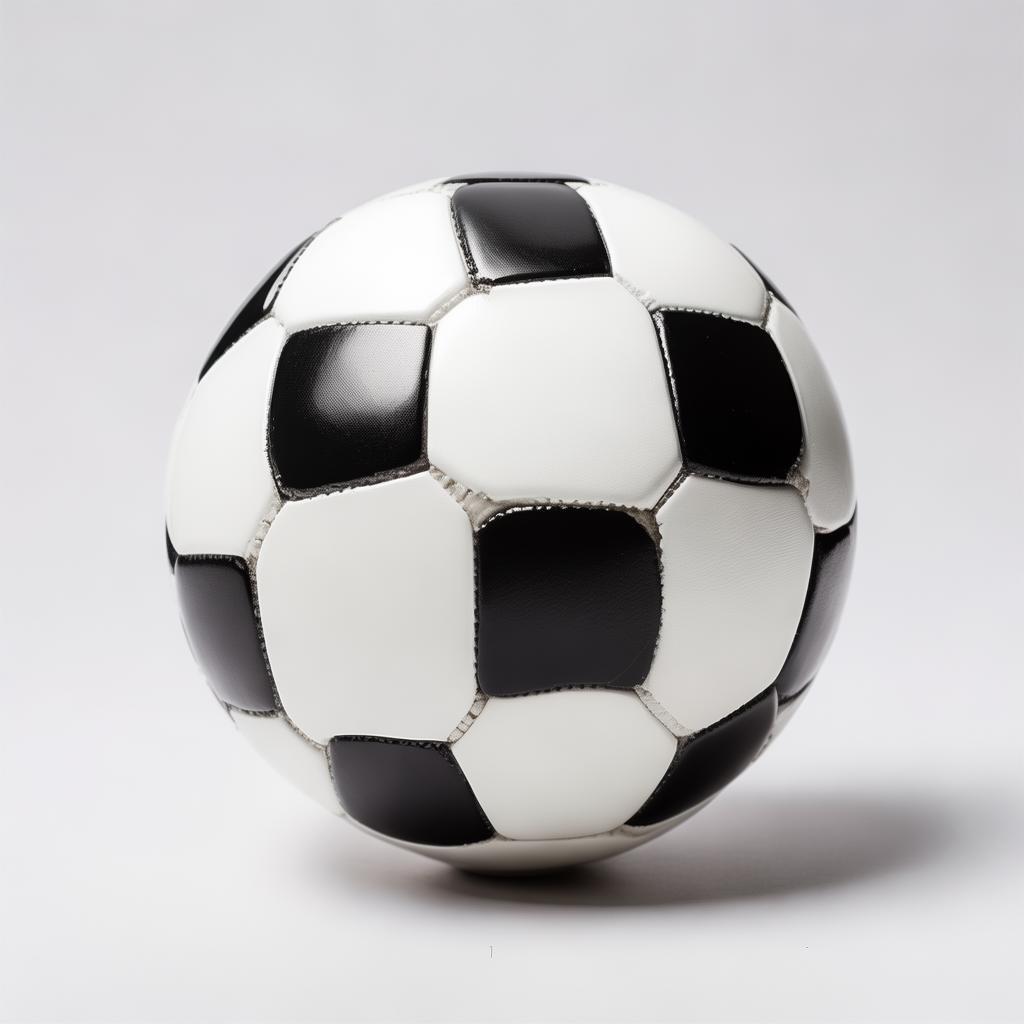
Crafted with precision and care, our soccer ball features a durable rubber core that ensures excellent bounce and resilience. The rubber material is not only lightweight but also provides the ideal amount of grip, allowing players to control the ball with ease. This means you can focus on perfecting your shots, passes, and tricks without worrying about the ball slipping away from you.
26,04 , 2026
Custom Mini Basketball Ball for Branding and Promotional Use
In today’s competitive marketplace, brands are constantly searching for creative, cost-effective way
READ MORE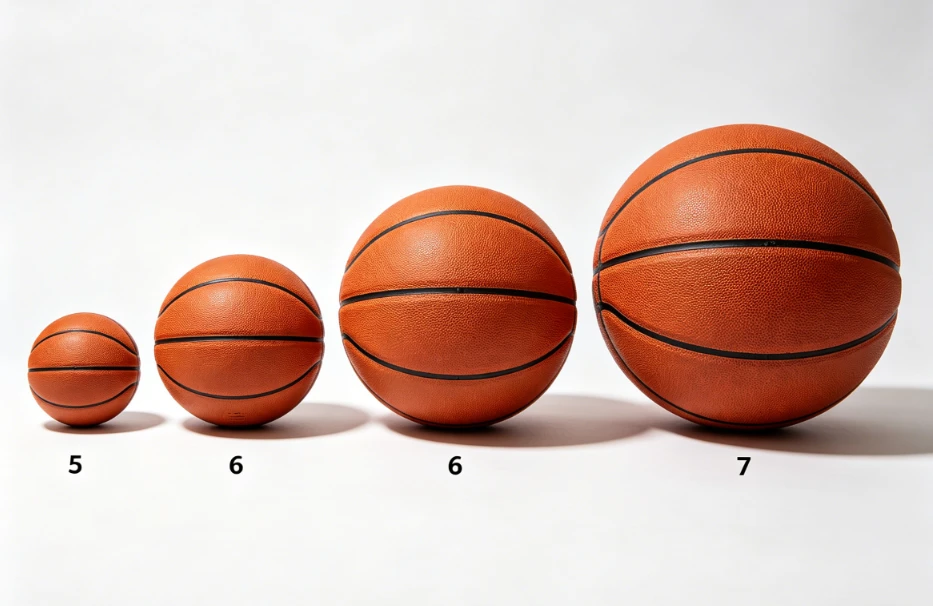
24,04 , 2026
Size Guide for Basketballs Wholesale: From Youth to Professional
Choosing the right basketball size is one of the most important decisions for wholesalers, sports eq
READ MORE
23,04 , 2026
Outdoor vs Indoor Basketballs Wholesale: Key Differences
When sourcing basketballs in bulk, understanding the difference between outdoor and indoor models is
READ MORE