 By Chen Wei, Export Director at Hebei Starry Sports Goods Co, Ltd
For teams, clubs, leagues, and distributors worldwide, selecting the right official volleyball ball size isn't just a detail—it's a foundational decision impacting playability, training effectiveness, and ultimately, performance on the court. Whether you're outfitting a national team for FIVB-sanctioned tournaments or equipping a community center with durable training balls, understanding the precise specifications is paramount. At Hebei Starry Sports Goods Co, Ltd, we've been immersed in the manufacturing and export of sports balls since 2014, and we see firsthand how crucial these seemingly minor variations are. It’s not just about weight and circumference; it’s about how the ball interacts with players, adheres to regulations, and meets the demands of different playing environments.
The global market for sports balls, encompassing volleyballs, is robust and dynamic. Reports indicate the global volleyball market was valued at approximately USD 462.3 million in 2024, with projections to reach USD 979.85 million by 2034, exhibiting a CAGR of 7.2% (Zion Market Research). Volleyballs themselves represent a significant share of this, driven by increasing participation in both indoor and beach volleyball, the growth of youth sports programs, and a consistent demand for equipment upgrades from recreational players to elite athletes. This isn't just about passion; it's about providing equipment that performs consistently, adheres to international standards, and offers tangible value.
When we talk about "official," we're referring to the standards set by governing bodies like the Fédération Internationale de Volleyball (FIVB). These standards are meticulously designed to ensure fair play, consistent ball dynamics, and player safety across all levels of competition. Deviating from these specifications can lead to disqualification in official matches, hinder player development, and create an unfair playing field. For manufacturers like us, adhering to these FIVB regulations is non-negotiable when producing official competition balls. It requires precise engineering, high-quality materials, and rigorous quality control throughout the production process.
The nuances extend beyond just the size. The internal bladder construction, the material used for the cover, the panel stitching or bonding method, and even the surface texture all play a role in how a ball performs. An official volleyball ball must strike a delicate balance: it needs to be soft enough on impact to prevent injury during powerful spikes and blocks, yet firm enough to maintain consistent trajectory and responsiveness for setting and serving. It must also withstand the rigors of intense play, including repeated impacts, friction, and varying environmental conditions. This is where our expertise as a manufacturer comes into play – ensuring every ball leaving our facility meets these demanding criteria.
Procurement managers and team administrators often face the challenge of sourcing balls that meet these exact specifications while also managing budgets and ensuring reliable supply chains. The decision-making process involves more than just looking at a price tag. It involves understanding the manufacturer's capabilities, their commitment to quality, their export experience, and their ability to provide certifications that validate their products. We pride ourselves on transparency and providing our international clients with the information they need to make informed purchasing decisions. Our products are exported to Asia, Europe, and South America, and we consistently receive high praise from professional athletes and industry insiders alike for our commitment to quality and performance.
This guide aims to demystify the concept of official volleyball ball size, providing a clear breakdown of what buyers need to know. We'll cover the official dimensions, the rationale behind them, and how different ball types might vary. We'll also touch upon material innovations and manufacturing techniques that contribute to a ball's performance, offering insights from our operational experience. Whether you are a seasoned procurement professional sourcing for a national federation or a recreational league organizer looking for reliable equipment, this information will equip you to make the best choice for your needs.
The market for sports equipment, particularly balls, is influenced by global trends. For instance, the broader ball sports equipment market is projected to reach USD 105.57 billion by 2034 at a CAGR of 4.96% (Fortune Business Insights), with volleyball equipment holding a significant niche. Innovations like thermally-bonded construction are increasingly common, offering improved sphericity, reduced water absorption, and enhanced durability over traditional stitched panels. These advancements directly impact how an official volleyball ball performs, especially under demanding conditions.
As an established manufacturer, Hebei Starry Sports Goods Co, Ltd, located in Xingji Town, Cangzhou City, understands these market dynamics and technological shifts. Our strategic location, near Tianjin Port, facilitates efficient international logistics. We offer a wide range of sports balls, including volleyballs, basketballs, and soccer balls, with an annual output exceeding 5 million units. Our dedication to quality is reflected in our continuous growth, with a total revenue of over 30 million in 2023 and customer coverage spanning 80% of global regions. Choosing an official volleyball ball size from a reputable supplier like Starry ensures you're investing in quality, performance, and compliance.
When a volleyball ball is designated as "official" for FIVB competitions, it must strictly adhere to a set of precise measurements and weight standards. These aren't arbitrary figures; they are the result of extensive testing and refinement to ensure optimal performance characteristics that are consistent across all matches and tournaments sanctioned by the FIVB. The aim is to create a level playing field where the outcome is determined by the players' skill, not by variations in the equipment.
The universally recognized standard for an official indoor volleyball, as dictated by the FIVB, is as follows:
| Specification | Official FIVB Standard |
|---|---|
| Circumference | 65-67 cm (approximately 25.6-26.4 inches) |
| Weight | 260-280 grams (approximately 9.2-9.9 ounces) |
| Internal Pressure | 0.30 - 0.325 kg/cm² (approximately 4.3-4.6 psi) |
These dimensions are critical. A ball that is too large or too small will alter its aerodynamics, making it fly differently and affecting how players can judge its speed and trajectory. Similarly, weight plays a role in how the ball feels in hand during setting and how it travels through the air during powerful serves and spikes. The internal pressure is also key; too soft and the ball becomes sluggish, too hard and it loses responsiveness and can be painful to handle. Maintaining this precise pressure is a testament to the quality of the bladder and the construction of the ball.
These specifications are not limited to indoor play. While beach volleyball does have its own distinct ball designed for sand play (slightly larger, slightly softer, and lower internal pressure to account for wind and surface), the indoor ball's dimensions are the cornerstone for the vast majority of competitive volleyball. When procuring for international tournaments or federations, ensuring the balls meet these exact FIVB marks is the first step. We, at Starry, produce balls that are consistently within these tolerances, often exceeding them in terms of material quality and durability.
It’s worth noting that official specifications can sometimes be updated by the FIVB as technology and play evolve. We closely monitor these updates to ensure our manufacturing processes remain compliant. For buyers, always refer to the latest FIVB regulations for absolute certainty, but these core specifications have remained remarkably consistent, reflecting their effectiveness.
While the "official" size and weight are paramount for competition, not every ball used on the court needs to meet these stringent requirements. This is where the distinction between official competition balls and training volleyballs becomes crucial for procurement. Training balls are often designed with different priorities in mind, primarily durability, cost-effectiveness, and suitability for high-volume use by developing players.
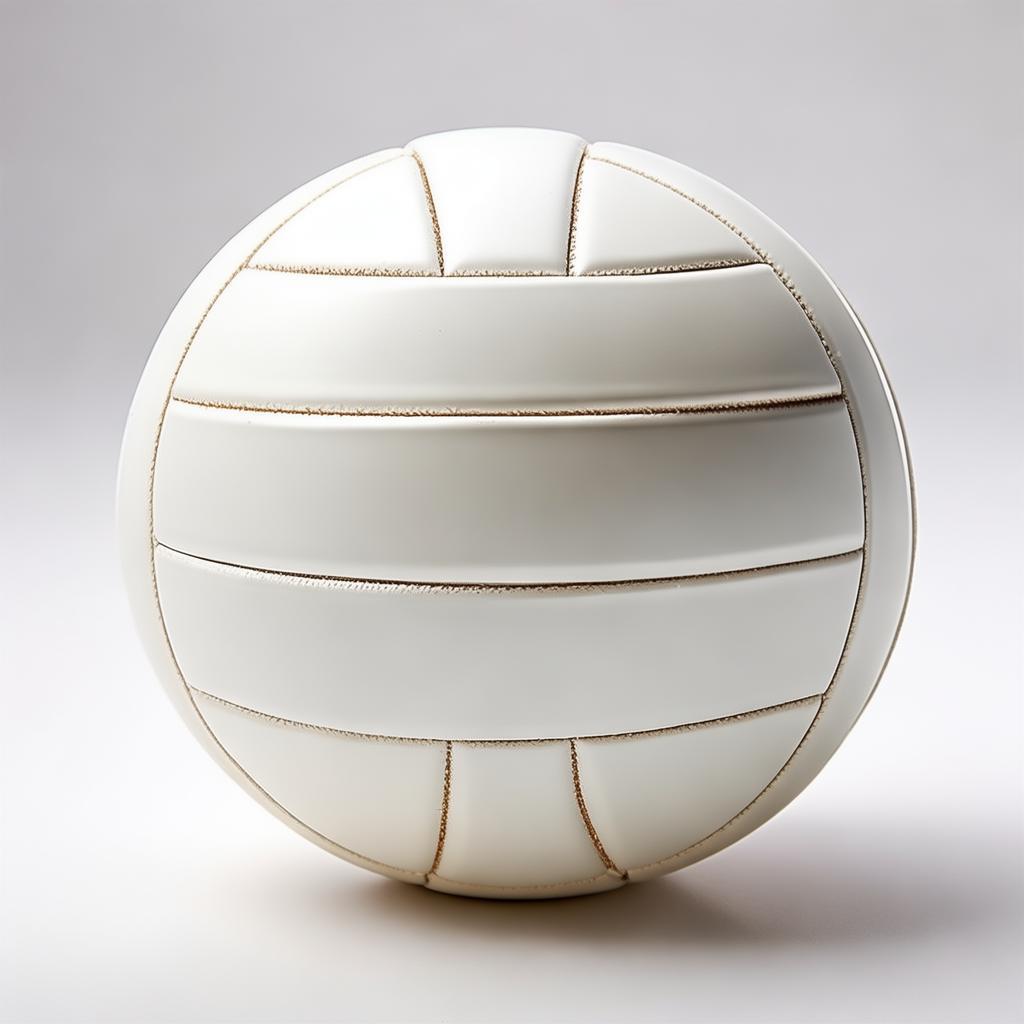
Generally, official competition balls are constructed with premium materials, often using high-grade synthetic leather or specialized PU (polyurethane) covers, and feature advanced panel construction (either machine-stitched or, increasingly, thermally bonded) for superior aerodynamics and a softer touch. These balls are engineered for peak performance, consistent flight, and tactile feedback. The goal is to provide athletes with the most precise and reliable equipment possible for competitive play.
Training volleyballs, on the other hand, might use more robust, less expensive materials like PVC (polyvinyl chloride) or a simpler PU composite. They might be machine-stitched for ease of manufacturing and lower cost, though thermally bonded options are also available in training grades. While they might approximate the official size and weight, the focus is often on longevity and tolerance for rougher handling that can occur during practice sessions, especially with younger or less experienced players. They are built to withstand countless drills, serves, and passes without significant degradation in shape or feel.
From a purchasing perspective, understanding this difference is key to optimizing your budget and meeting your specific needs. For example, a club might invest in a set of FIVB-approved official balls for match days and tournaments, while equipping their practice courts with a larger quantity of durable training balls. This strategy ensures compliance where it matters most without compromising the longevity of their higher-value competition equipment.
At Hebei Starry Sports Goods, we manufacture both categories. Our official competition volleyballs are built to FIVB standards, utilizing premium materials and advanced construction for exceptional playability. Concurrently, our training volleyballs are engineered for resilience and value, providing excellent performance for practice and recreational play without breaking the bank. We can help you differentiate and select the right ball for each application, ensuring your investment serves its intended purpose effectively.
The performance characteristics of an official volleyball ball are profoundly influenced by the materials used in its construction and the methods employed to assemble its panels. Beyond just meeting the dimensional requirements, these factors dictate the ball's feel, grip, trajectory, and durability. As manufacturers, we constantly evaluate and innovate in these areas.
**Cover Materials:**
**Panel Construction:**
**Bladder:** The internal bladder, typically made of butyl rubber, is crucial for maintaining the ball's shape and air pressure. A well-constructed bladder ensures consistent rebound and prevents the ball from deflating prematurely.
For procurement managers, understanding these construction details is vital. A ball that is thermally bonded with high-grade PU is likely to offer superior performance and longevity in competitive settings, justifying its often higher price point. Conversely, for a large training program, a robust, stitched PVC or composite ball might offer better value for money, provided it meets the basic size and weight requirements.
Our manufacturing process at Hebei Starry Sports Goods Co, Ltd emphasizes quality at every stage. We utilize advanced machinery for panel cutting and bonding, alongside stringent quality checks for material integrity and assembly precision. This allows us to produce balls that not only meet but often exceed industry standards for performance and durability, whether for official competition or intensive training.
Sourcing official volleyball balls requires a systematic approach, especially for international buyers or large organizations. It’s about more than just finding the lowest price; it’s about securing reliable quality, ensuring compliance, and building a relationship with a manufacturer that understands your needs.
1. Verify Certifications and Standards: Always confirm that any ball marketed as "official" is indeed FIVB-approved or meets specific national federation standards if applicable. Look for clear markings on the ball itself and request documentation from the supplier. Reputable manufacturers will readily provide these.
2. Assess Manufacturer Credibility (EEAT): This is where EEAT (Experience, Expertise, Authoritativeness, Trustworthiness) comes into play.
3. Understand Material and Construction Options: As discussed, PU and thermally bonded construction offer premium performance but come at a higher cost. For large-scale orders or training programs, explore composite or PVC options if budget is a primary constraint, but ensure they still meet the essential size and weight regulations for any non-competitive play.
4. Inquire About OEM/ODM Capabilities: If you're a distributor or looking for custom branding, assess the supplier's OEM (Original Equipment Manufacturer) and ODM (Original Design Manufacturer) services. Can they produce balls to your specifications or under your brand? Hebei Starry Sports Goods Co, Ltd has extensive OEM/ODM experience, allowing us to meet diverse client requirements, from custom panel designs to specific material blends.
5. Logistics and Lead Times: Confirm production lead times and shipping options. Given our location near Tianjin Port, we are well-positioned for efficient international shipping. Clear communication on estimated delivery times is crucial for planning events and inventory management. Our annual output capacity allows us to handle significant orders reliably.
6. Sample Requests: Always request samples before placing a large order, especially for new suppliers. This allows you to physically inspect the quality, feel, and performance of the balls. We are happy to arrange sample shipments for serious inquiries.
By following these procurement guidelines, buyers can mitigate risks, secure high-quality official volleyball balls, and establish beneficial long-term relationships with manufacturers like Hebei Starry Sports Goods Co, Ltd.
At Hebei Starry Sports Goods Co, Ltd, we understand that the right volleyball is more than just an object; it's an instrument of sport, skill, and competition. Since our establishment in November 2014, we've dedicated ourselves to manufacturing high-quality sports balls that meet international standards. Our commitment to excellence is reflected in our state-of-the-art facility, experienced workforce of 316 employees, and an annual output exceeding 5 million units across volleyballs, basketballs, and soccer balls.
Our strategic location in Xingji Town, Cangzhou City, provides excellent logistical advantages, being just 100 kilometers from Tianjin Port, ensuring efficient and cost-effective international shipping. We have been active in the foreign trade market since 2016, building a global reputation for reliability and quality. With total revenues exceeding 30 million in 2023 and customer coverage in 80% of global regions, our track record speaks for itself.
We specialize in producing volleyballs that adhere to official FIVB specifications, utilizing advanced manufacturing techniques such as thermal bonding and premium synthetic leather covers. Whether you require balls for elite professional tournaments, collegiate play, or robust training programs, we have the expertise and capacity to deliver. We also offer comprehensive OEM/ODM services, allowing you to customize products to your brand's specific needs.
Choosing Hebei Starry Sports Goods means partnering with a manufacturer that prioritizes:
We invite you to experience the Starry difference. Let us help you equip your players with the official volleyball balls they need to perform at their best.

"We sourced a large batch of official FIVB-spec volleyballs from Starry for our national league. The quality is outstanding – consistent feel, perfect weight, and they've held up incredibly well through a demanding season. Communication was smooth, and delivery was on time. Highly recommend."
Maria Rodriguez
"As a distributor in South America, finding a reliable OEM supplier is critical. Starry has been fantastic. Their official volleyballs meet all specifications, and their ability to handle custom branding for our market has been invaluable. Their team is knowledgeable and responsive."
Javier Morales
"We needed high-quality training balls for our youth academy. Starry provided excellent options that are durable and feel great, even if not FIVB official competition grade. The price point was very competitive for the quality we received, and the volume was managed efficiently."
David Leeofficial size of volleyball ball official volleyball size size of volleyball
An official volleyball adheres to strict size, weight, and internal pressure standards set by governing bodies like the FIVB. Standard or training volleyballs may vary in these specifications and are often made with less premium materials for durability and cost-effectiveness.
No. For official matches, you must use balls that meet the specific regulations of the governing body (e.g., FIVB). Using non-certified balls can lead to penalties or disqualification.
Thermally bonded means the panels of the ball are fused together using heat and pressure, creating a seamless surface. This results in superior sphericity, reduced water absorption, and a softer touch compared to stitched balls.
Look for the official FIVB logo or specific approval mark on the ball itself. Reputable manufacturers will also provide certification documents upon request. Always check the latest FIVB regulations.
The lifespan varies greatly depending on usage intensity, playing surface, and maintenance. High-quality official balls used in competitive play might last a season or two before performance degrades significantly. Training balls, built for durability, can last much longer for recreational use.
WELCOME TO INQUIRE


LATEST NEWS
Crafted with precision and care, our soccer ball features a durable rubber core that ensures excellent bounce and resilience. The rubber material is not only lightweight but also provides the ideal amount of grip, allowing players to control the ball with ease. This means you can focus on perfecting your shots, passes, and tricks without worrying about the ball slipping away from you.
26,04 , 2026
Custom Mini Basketball Ball for Branding and Promotional Use
In today’s competitive marketplace, brands are constantly searching for creative, cost-effective way
READ MORE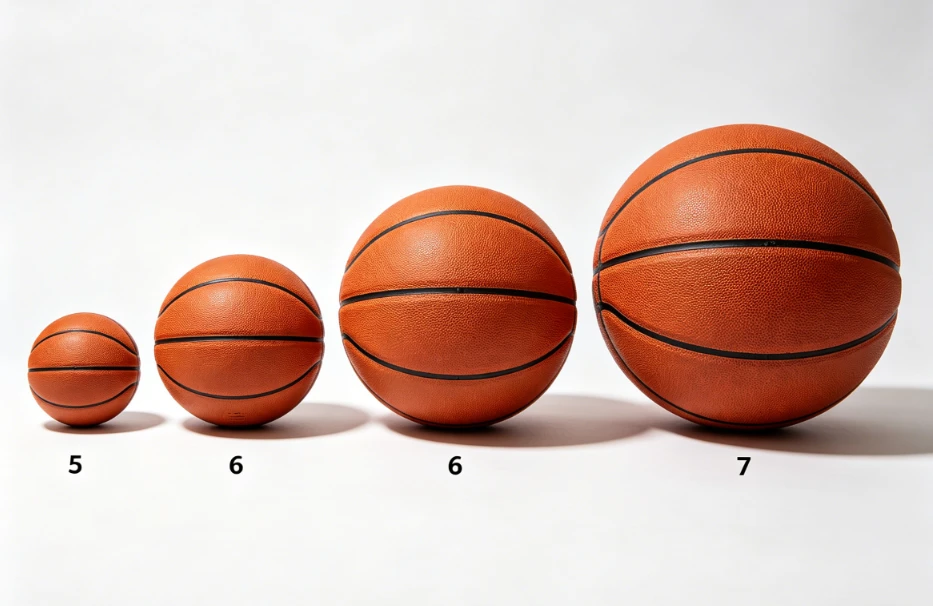
24,04 , 2026
Size Guide for Basketballs Wholesale: From Youth to Professional
Choosing the right basketball size is one of the most important decisions for wholesalers, sports eq
READ MORE
23,04 , 2026
Outdoor vs Indoor Basketballs Wholesale: Key Differences
When sourcing basketballs in bulk, understanding the difference between outdoor and indoor models is
READ MORE