By:  David Chen, Senior Export Manager at Hebei Starry Sports Goods Co., Ltd.
November 21, 2023
When you're getting a young player geared up for the beautiful game, one of the most fundamental—yet often overlooked—decisions is selecting the correct soccer ball size. For a 7-year-old, this isn't just about appearance; it's about facilitating proper technique development, enhancing enjoyment, and ensuring safety on the pitch. The global football (soccer) market, valued at around USD 8.47 billion in 2025, shows a clear trend: while Size 5 balls dominate overall, the youth segments are critical for future growth. Understanding the nuances of ball sizing for this age group is a foundational step for parents, coaches, and even budding suppliers looking to meet market demand.
At Hebei Starry Sports Goods Co., Ltd., we've been in the foreign trade market since 2016, manufacturing and exporting millions of sports balls annually. We've seen firsthand how the right equipment can transform a child's experience. A ball that's too heavy or too large can lead to frustration, incorrect kicking mechanics, and even minor injuries. Conversely, a ball that's appropriately sized and weighted encourages confident play, better ball control, and a deeper love for the sport. This isn't just about selling a product; it's about contributing to a positive athletic development journey for young individuals.
The market report from Mordor Intelligence highlights that Size 5 balls are the market standard, holding over 51% share. However, this statistic often refers to adult professional and competitive play. For younger demographics, specifically a 7-year-old, the recommendation shifts. According to FIFA's own guidelines and common practice in youth leagues worldwide, a Size 4 soccer ball is typically the most suitable choice. This is where our expertise as a manufacturer and exporter becomes invaluable to you – distinguishing between general market data and the specific needs of a developing player.
The global soccer balls market is dynamic, with reports from Business Research Insights projecting growth to USD 7.41 billion by 2035. This growth is fueled by increased participation, especially in youth programs. For a 7-year-old, the focus should be on a ball that allows them to learn fundamental skills without being overpowered. We're talking about the ability to make solid contact with their foot, to control passes, and to feel a sense of accomplishment with every touch. This directly impacts their willingness to continue playing and developing.
From a procurement perspective, understanding these age-specific requirements allows you to target specific market segments more effectively. Whether you're a retailer stocking shelves, an e-commerce platform curating products, or a distributor supplying leagues, knowing the precise soccer ball size for a 7-year-old is paramount. It prevents stock issues, reduces returns, and builds customer trust. We often advise our international clients to consider offering a range of youth-sized balls, but to ensure the Size 4 is prominently featured for this age bracket. It’s a simple detail that speaks volumes about your understanding of the market.
The technical specifications matter, too. While a Size 4 ball is generally lighter and smaller, the material composition and construction method (like stitching or thermal bonding) significantly influence its performance and durability. A ball designed for young players should offer a good grip, a soft touch to minimize impact, and consistent flight characteristics. This is where our manufacturing capabilities shine. We utilize high-quality PU (polyurethane) and synthetic leather materials, often with a foam backing, to achieve the desired feel and performance for youth players. The market for advanced materials, as noted by Intel Market Research, is growing, but for this age group, a balance of performance and comfort is key.
At Hebei Starry Sports Goods Co., Ltd., we don't just produce balls; we engineer solutions for player development. Our export team is adept at navigating international standards and customer requirements, ensuring that every ball leaving our facility in Cangzhou City meets the high expectations of global markets. We understand that for a 7-year-old, the soccer ball is their primary tool for learning, their partner in countless practice sessions, and the source of immense joy. Therefore, getting the size, weight, and feel just right is our operational imperative.
This guide aims to demystify the selection process, providing practical advice backed by our industry experience. We'll delve into the official sizing standards, explain why Size 4 is the sweet spot for a 7-year-old, and touch upon the material and construction aspects that contribute to a superior playing experience. By the end, you'll be well-equipped to make an informed decision, whether you're a parent buying for your child, a coach outfitting a team, or a business seeking to source high-quality youth soccer balls for international export.
The governing bodies of soccer, most notably FIFA, have established clear sizing standards to ensure fair play and proper skill development across different age groups. These standards are crucial for manufacturers like us, as they dictate the physical characteristics of the balls we produce for specific markets and age categories. For a 7-year-old, the relevant size is almost universally recognized as a Size 4 soccer ball.
Let's break down what this means:
The distinction between Size 3 and Size 4, while seemingly small, makes a significant difference in a young player's experience. The additional circumference and weight of a Size 4 ball allow for more consistent contact, better trajectory when kicked, and a feel that's closer to the official game ball used by older players, preparing them for future progression. It’s about fostering confidence and competence.
It's important to note that while these are the official standards, specific league rules might sometimes vary slightly. However, for general play, training, and development, sticking to the recommended Size 4 soccer ball for a 7-year-old is the consensus. Our production lines are calibrated to meet these precise specifications, ensuring consistency for bulk orders from international distributors and retailers. We understand that adhering to these standards is not just about compliance; it's about providing quality equipment that supports player growth.
So, why is a Size 4 ball the recommended choice for a 7-year-old, rather than the "standard" Size 5? It boils down to biomechanics, skill development, and overall enjoyment of the game. For children at this age, their bodies are still developing, and their coordination and strength are not yet at adult levels.
Here’s a practical breakdown of the benefits:
A lighter, smaller ball is easier for a 7-year-old to manage. They can dribble more effectively, trap passes with greater accuracy, and develop a finer touch. This control is the foundation for more advanced skills like shooting with power and precision. When a child can consistently control the ball, they gain confidence.
A Size 4 ball requires less force to propel. This means a 7-year-old can achieve better distance and accuracy with their kicks without overexerting themselves. It encourages them to practice kicking properly, developing the correct leg swing and foot placement, rather than just trying to "smash" the ball.
Constantly trying to kick or control an oversized, overweight ball can lead to strain in developing legs and feet. A Size 4 ball is more forgiving on a young athlete's body, minimizing the risk of minor injuries and promoting healthier physical development.
When children can successfully execute skills, they have more fun. A ball that's appropriately sized leads to more successful passes, dribbles, and shots, making the game more engaging and less frustrating. This positive experience is what keeps kids coming back to the sport.
As a manufacturer, we understand that material quality plays a huge role here too. A Size 4 ball made with a soft-touch PU outer and a foam backing offers a forgiving surface for young players, further enhancing control and comfort. This is a detail that differentiates a good youth ball from a great one. We focus on these aspects because we know they directly contribute to the player's experience, which in turn drives repeat business for our clients.
The global ball sports equipment market is projected to reach USD 105.57 billion by 2034, with youth participation being a significant driver. Providing the correct equipment is fundamental to this growth. For a 7-year-old, the soccer ball size is not a minor detail; it's a cornerstone of their early development in the sport.
Beyond just the size, the materials and construction methods used in a soccer ball significantly impact its performance, durability, and feel. For a 7-year-old, these factors are even more critical as they are still developing their skills and their equipment needs to be forgiving yet responsive.
At Hebei Starry Sports Goods, we meticulously select our materials and employ modern manufacturing techniques. Here’s what to look for:
| Component | Description & Importance for 7-Year-Olds |
|---|---|
| Outer Cover Material |
Polyurethane (PU): Generally preferred for higher quality and softer feel. PU offers excellent durability, water resistance, and a consistent touch, ideal for young players learning control. It can be textured for better grip. Polyvinyl Chloride (PVC): Often used for lower-cost balls, it can be stiffer and less durable, especially in cold weather. While suitable for recreational play, PU is generally better for skill development. For a 7-year-old, a soft-touch PU cover is highly recommended. |
| Lining/Backing |
Beneath the cover, multiple layers of foam or fabric (polyester, cotton) provide structure, cushioning, and rebound. A good foam backing enhances the ball's softness and makes it easier to strike cleanly, reducing sting on impact. This layer is crucial for comfort and feel for young players. |
| Bladder |
The bladder holds the air. Butyl bladders are superior as they retain air much longer, meaning the ball stays inflated and consistent for longer periods. Latex bladders offer a softer feel but deflate faster. For durability and less frequent re-inflation, especially important for busy parents and coaches, butyl bladders are preferred. |
| Construction Method |
Machine Stitched: More economical, but panels might be less precisely joined, leading to less consistent flight and durability issues. Hand Stitched: Offers stronger seam integrity but can be more expensive. Thermal Bonded: Panels are fused together using heat and adhesive, creating a nearly seamless surface. This results in exceptional sphericity, superior water resistance, and improved aerodynamics. Advanced construction methods like thermal bonding are becoming more prevalent, even in youth balls, for enhanced performance. |
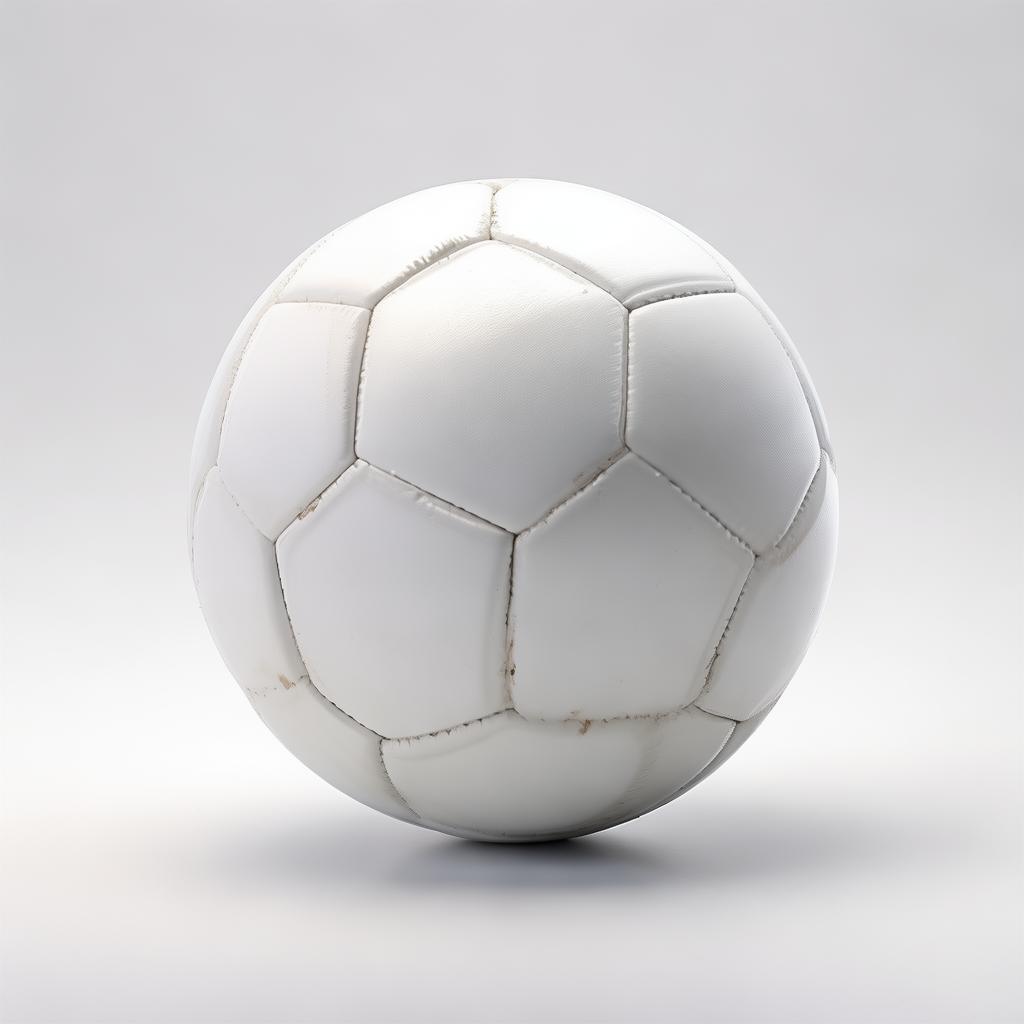
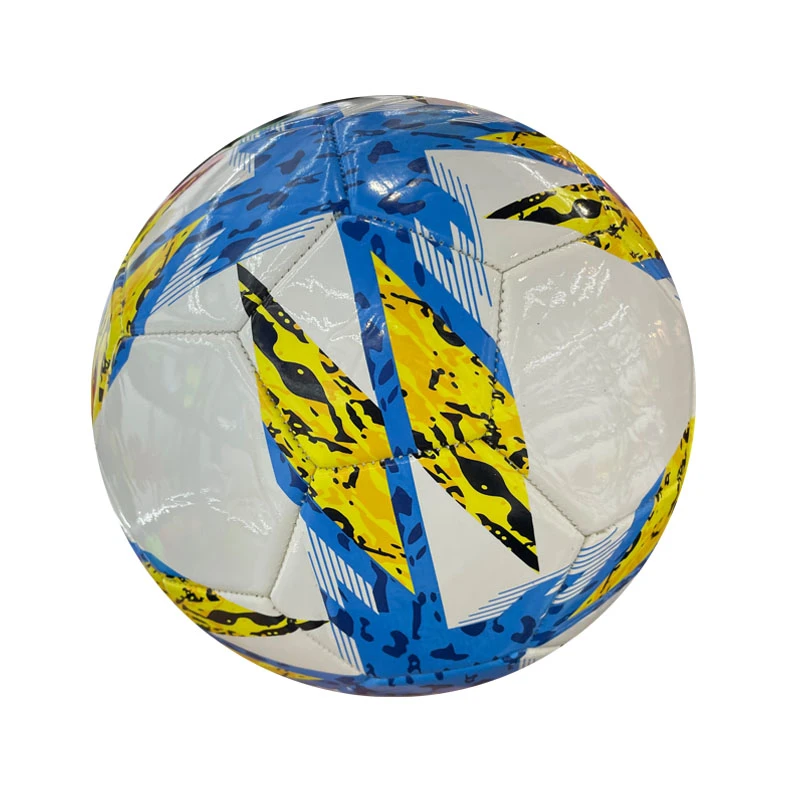
size 7 soccer ball size 6 soccer ball size 1 mini soccer ball
From a wholesale perspective, understanding these technical details allows us to tailor offerings to specific market demands. For instance, clients targeting the premium youth market might opt for thermal-bonded Size 4 balls with PU covers, while those focusing on mass-market recreational play might choose machine-stitched balls with durable synthetic leather. Our factory has the flexibility and expertise to produce across these spectrums. The market growth is fueled by innovations, and we stay at the forefront of these advancements.
The durability and water-resistance of the ball are also key. Young players often play in various conditions, and a ball that can withstand a bit of moisture and rougher treatment without losing its shape or performance is a worthwhile investment. This is where our quality control processes and material sourcing become critical.
Selecting the right ball is just the first step. As parents and coaches, we also need to think about how the ball will be used, maintained, and stored. These practical aspects ensure longevity and optimal performance for the young athlete.
Inflation is Key:
A ball that is underinflated will feel heavy and sluggish, making it difficult to control. Overinflated balls can be too hard and may lose their shape or even burst. For a Size 4 ball, the recommended inflation pressure is typically between 6 to 8 PSI (0.4 to 0.6 bar). Always check the ball for recommended inflation levels printed near the valve. You'll need a reliable ball pump with a pressure gauge. A consistent pump is an essential piece of kit for any team or household with young athletes.
Maintenance for Longevity:
After use, especially on wet or muddy fields, it's a good practice to wipe the ball clean with a damp cloth. Avoid leaving it exposed to direct sunlight for extended periods, as UV rays can degrade the outer material over time. Store the ball in a cool, dry place, ideally not compressed or with extreme weight on top, to help maintain its shape.
Multiple Balls for Team Practice:
If you're outfitting a team, consider purchasing multiple balls. This allows for more efficient drills where several players can work with a ball simultaneously, rather than waiting for their turn. It also means that if one ball is misplaced or damaged, you have spares. For wholesale inquiries, we can supply bulk quantities with competitive pricing, often including carrying bags for convenience. This is a common request from sports clubs and distributors serving educational institutions.
Recognizing Wear and Tear:
Even the most durable balls will eventually show signs of wear. Look for peeling outer panels, excessively worn stitching (on stitched balls), or a bladder that struggles to hold air. For a 7-year-old, a ball nearing the end of its life might still be perfectly usable for casual play but might not offer the consistent performance needed for serious training. Understanding this helps manage replacement cycles.
From our manufacturing standpoint, these practical aspects translate into demand for reliable, durable products. Our export experience, spanning regions like Europe and South America, confirms that consistency and quality are paramount. We focus on robust construction and quality materials to ensure our balls stand up to rigorous use by young athletes.
For businesses, sports organizations, or retailers looking to procure youth soccer balls in bulk, Hebei Starry Sports Goods Co., Ltd. offers robust wholesale and OEM/ODM solutions. Located strategically near Tianjin Port, our facility is equipped to handle large-volume orders and deliver them efficiently to international destinations. Our market entry in 2016 has allowed us to build extensive export experience, serving clients across Asia, Europe, and South America.
We understand the complexities of international trade, including compliance with various regional standards and logistics. Our annual output of over 5 million sports balls, including a significant portion dedicated to soccer balls for various age groups, demonstrates our capacity and commitment to quality.
Consider these advantages when partnering with us:
Whether you're looking for standard Size 4 soccer balls for league supply or require a custom-branded ball for a promotional event, our team is ready to partner with you. We pride ourselves on building long-term relationships based on trust, quality, and mutual success.
Don't let the complexities of international sourcing deter you. With over 316 dedicated workers and a modern 67,000-square-meter facility, we are well-positioned to be your reliable supplier for youth sports equipment.
Q1: What is the official soccer ball size for a 7-year-old?
A1: The officially recommended size for a 7-year-old is typically a Size 4 soccer ball. Some younger or less developed 7-year-olds might still use a Size 3, but Size 4 is the standard for this age group as they transition towards older youth categories.
Q2: What are the dimensions of a Size 4 soccer ball?
A2: A Size 4 soccer ball has a circumference between 24 and 25 inches (62-64 cm) and weighs between 11 to 13 ounces (310-360 grams).
Q3: Can a 7-year-old use a Size 5 soccer ball?
A3: While some 7-year-olds might be physically capable, a Size 5 ball is generally too large and heavy for proper technique development and enjoyment at this age. It can hinder their ability to control the ball and lead to frustration. A Size 4 is recommended for skill-building.
Q4: What material is best for a youth soccer ball?
A4: For young players, a soft-touch Polyurethane (PU) cover with a foam backing is ideal. This provides a comfortable feel, good grip, and is forgiving on impact. Butyl bladders are also preferred for better air retention.
Q5: How should I inflate a youth soccer ball?
A5: A Size 4 ball should typically be inflated to between 6 to 8 PSI (0.4 to 0.6 bar). Always check the ball for specific inflation instructions printed near the valve. Using a pump with a pressure gauge is recommended for accuracy.
Q6: Can I order custom-branded soccer balls for my club or event?
A6: Absolutely. Hebei Starry Sports Goods Co., Ltd. offers comprehensive OEM/ODM services. We can produce custom-branded Size 4 soccer balls with your club's logo, specific colors, and other design elements. Contact us to discuss your requirements.
"We've been sourcing youth soccer balls from Starry Sports for our academy for three seasons now. Their Size 4 balls are consistently good quality, hold air well, and the kids love the feel. The OEM service for our club branding was seamless. Excellent export partner!"
- Coach Miller, Youth Soccer Academy Director, USA

"As a distributor in South America, finding a reliable supplier for youth sports equipment is key. Starry Sports delivered exactly what we needed. Their communication is clear, the quality of the Size 4 balls is impressive for the price, and their logistics support has been invaluable. Highly recommended for wholesale inquiries."
- Isabella Rossi, Import/Export Manager, Brazil

"We needed durable soccer balls for our community sports program. Starry Sports provided a bulk order of Size 4 balls that have held up exceptionally well despite heavy use. The consistent quality and fair pricing make them a go-to supplier for us."
- Johnathan Lee, Community Sports Coordinator, Canada

Don't compromise on player development. Choose the right size, quality, and performance.
WELCOME TO INQUIRE


LATEST NEWS
Crafted with precision and care, our soccer ball features a durable rubber core that ensures excellent bounce and resilience. The rubber material is not only lightweight but also provides the ideal amount of grip, allowing players to control the ball with ease. This means you can focus on perfecting your shots, passes, and tricks without worrying about the ball slipping away from you.
26,04 , 2026
Custom Mini Basketball Ball for Branding and Promotional Use
In today’s competitive marketplace, brands are constantly searching for creative, cost-effective way
READ MORE
24,04 , 2026
Size Guide for Basketballs Wholesale: From Youth to Professional
Choosing the right basketball size is one of the most important decisions for wholesalers, sports eq
READ MORE
23,04 , 2026
Outdoor vs Indoor Basketballs Wholesale: Key Differences
When sourcing basketballs in bulk, understanding the difference between outdoor and indoor models is
READ MORE