Your Global Source for High-Performance Soccer Balls
When it comes to the beautiful game, the ball is undeniably the heart of it all. For international buyers, distributors, and procurement managers, sourcing high-quality soccer ball equipment isn't just about acquiring a sports product; it's about investing in performance, durability, and ultimately, customer satisfaction. The global soccer market, a behemoth valued in the billions and projected to continue its steady growth, underscores the persistent demand for reliable soccer balls. Reports from Mordor Intelligence suggest a market around USD 8.47 billion in 2025, expanding to USD 9.97 billion by 2031 at a CAGR of 2.77%, driven by increasing global participation, especially in youth and women's programs. This growth isn't uniform; it's shaped by regional preferences, technological advancements, and evolving manufacturing standards.
From the professional pitches of European leagues to grassroots development programs in South America and burgeoning recreational markets in Asia, the need for soccer balls that meet stringent performance criteria is universal. Buyers often face a complex landscape. Are you looking for match-grade balls that adhere to FIFA standards for official competitions, or are you outfitting training facilities where durability and consistent performance across thousands of kicks are paramount? Perhaps you're a distributor seeking a reliable OEM/ODM partner to produce private-label balls that capture market share in a specific region. Each scenario demands a nuanced understanding of the product itself – the materials, the construction, the internal structure, and the quality control processes that separate a truly superior ball from the rest.
Navigating this international marketplace requires more than just spotting a competitive price. It involves understanding the subtle differences in synthetic leathers (PU vs. PVC), the implications of panel construction (traditional stitching, machine sewing, or thermal bonding), and the importance of bladder technology for air retention and rebound. The sheer volume of options can be overwhelming, and the risks associated with subpar quality – premature wear, inconsistent flight paths, or poor water resistance – can significantly impact your business reputation and bottom line. For instance, a ball that fails to maintain its shape or flight characteristics under adverse weather conditions can frustrate players and damage a supplier's credibility. This is where deep industry knowledge and a discerning eye for quality become critical assets.
The soccer ball industry is dynamic. Innovations in materials science continually push the boundaries of what's possible, offering enhanced grip, superior water repellency, and improved aerodynamics. Thermally bonded construction, for example, has become a benchmark for high-performance balls, offering exceptional sphericity, minimal water uptake, and enhanced durability compared to traditional stitched panels. Business Research Insights highlights this trend, noting the projected growth of the soccer balls market to USD 7.41 billion by 2035 at a CAGR of 9.32%, with thermally bonded PU/TPU materials leading demand due to their superior performance characteristics. This evolution means that what was considered top-tier even a few years ago might now be standard, and what is cutting-edge today will set the benchmark for tomorrow.
As an international buyer, your goal is to forge partnerships with manufacturers who not only understand these technical nuances but also have the operational capacity and commitment to quality assurance to deliver consistently. This means looking beyond basic product descriptions and delving into the manufacturing processes, the certifications held, and the supplier's track record. Are they ISO certified? Do they adhere to specific industry standards for ball performance? Can they provide evidence of their quality control procedures at every stage of production, from raw material inspection to final product testing? These are the questions that distinguish a transactional supplier from a strategic partner. Understanding these elements is crucial for securing soccer ball equipment that offers a genuine competitive advantage.
Moreover, the decision-making process for procurement often involves multiple stakeholders, from purchasing managers focused on cost-effectiveness and supply chain reliability to technical engineers assessing performance specifications, and end-users (players, coaches) evaluating on-field experience. A successful sourcing strategy must account for all these perspectives. This guide aims to equip you with the knowledge to make informed decisions, identify reputable manufacturers, and ultimately, procure soccer ball equipment that meets and exceeds the demands of the global game.
Sourcing soccer ball equipment internationally presents a unique set of hurdles that procurement professionals must adeptly manage. Beyond the logistical complexities of cross-border trade, several core challenges stand out:
Addressing these challenges head-on requires a systematic approach to supplier evaluation and a clear understanding of product specifications. It's about building relationships with manufacturers who prioritize quality, transparency, and performance.
A soccer ball might appear simple, but its design and construction are sophisticated, engineered to optimize performance for players at all levels. Understanding the key components and characteristics is essential for making an informed purchasing decision. The market is diverse, catering to everything from professional matches to casual backyard play.
Core Components:
The global soccer ball market is segmented not only by quality but also by intended use. Size 5 balls, for professional match play and serious training, consistently dominate demand, representing over 51% of the market according to industry reports. However, there's also significant demand for Size 4 (youth players aged 8-12) and Size 3 (younger children). Additionally, balls are categorized by their intended playing surface – indoor, outdoor, or all-weather – each requiring specific durability and grip characteristics. The increasing popularity of youth and women's football programs worldwide is a key driver for sustained demand across all ball sizes.
Understanding these fundamental aspects allows buyers to communicate their needs more precisely to manufacturers and to evaluate the technical merits of different product offerings. It moves the conversation beyond just "a soccer ball" to a discussion about engineered performance.
The choice of materials is perhaps the most critical factor influencing a soccer ball's performance, lifespan, and cost. For international buyers, understanding the nuances of these materials is key to specifying products that meet quality expectations and budget constraints.
Primary Cover Materials:
Lining Materials:
Bladder Materials:
When evaluating potential suppliers, ask for detailed specifications regarding the exact materials used for the cover, lining, and bladder. This transparency is a strong indicator of a manufacturer's commitment to quality and their understanding of performance engineering. For example, specifying "3-ply polyester lining with a PU outer cover and a butyl bladder" communicates a clear expectation for a durable training ball with good air retention. Conversely, simply requesting "a soccer ball" leaves too much ambiguity.
The way a soccer ball is assembled is as critical as the materials used, directly impacting its sphericity, durability, water resistance, and flight characteristics. Understanding these construction methods is vital for sourcing balls that meet specific performance standards.
1. Machine-Stitched Balls:
2. Hand-Stitched Balls:
3. Thermal Bonded Balls:
Industry reports, such as those from Business Research Insights, consistently highlight thermal bonding as a key driver in the premium soccer ball segment due to its performance advantages. When requesting quotes, specify the preferred construction method. For match balls or high-performance training balls, thermal bonding is generally the recommended approach. For distributors in regions with extreme weather, the low water uptake of thermally bonded balls is a significant operational advantage.
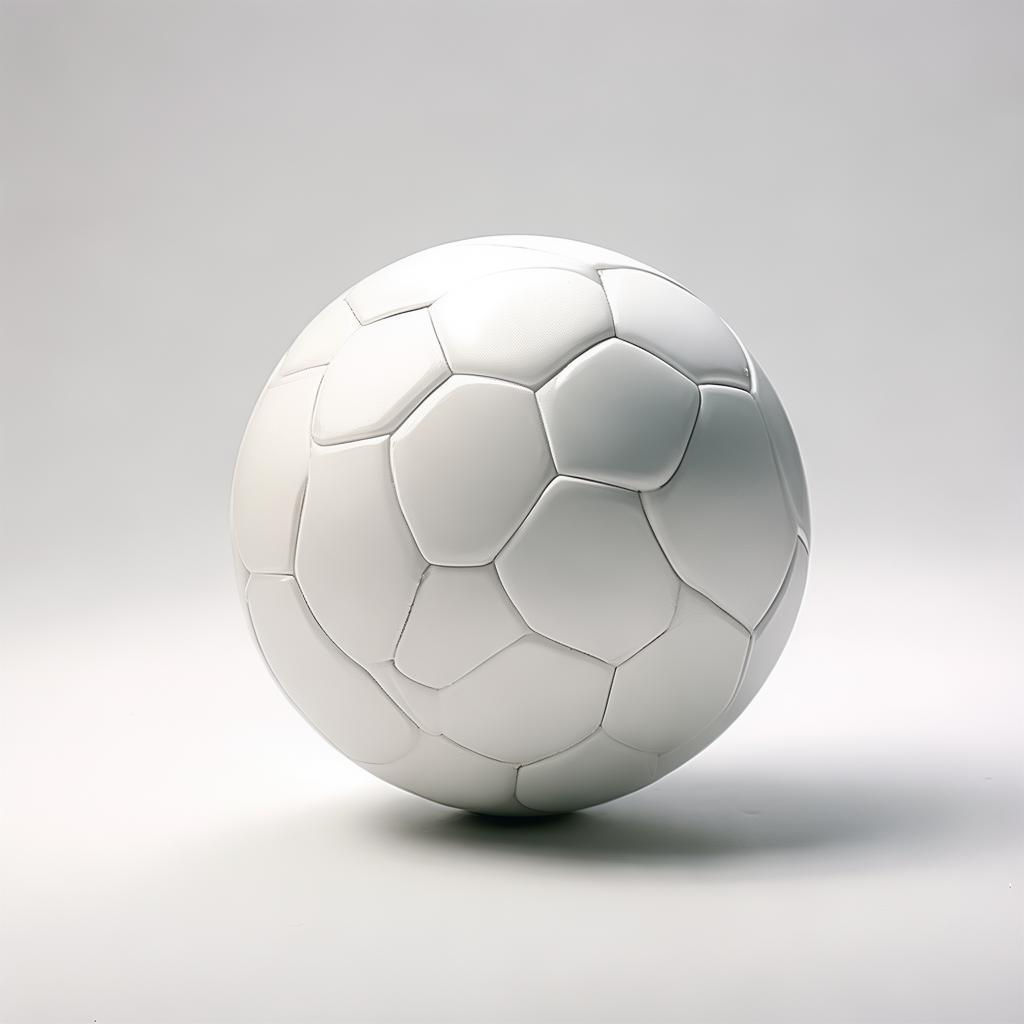
It's also worth noting that the panel design itself is a form of construction. Traditional 32-panel designs are still common, but newer designs with fewer, larger panels or uniquely shaped panels are engineered for specific aerodynamic properties. Manufacturers often have proprietary designs that they claim improve flight stability or ball control.
For any international buyer, understanding the precise specifications of a soccer ball is non-negotiable. These details determine its suitability for different age groups, playing levels, and official competitions. Adherence to these standards is a hallmark of quality manufacturing.
1. Size: Soccer balls are standardized by size, primarily for different age groups:
2. Weight: As indicated above, weight is standardized by size. Ensuring the ball falls within the specified range is crucial for fair play and development.
3. Pressure: While not always explicitly stated in basic product specs, a properly inflated ball is critical. Recommended inflation pressure is typically indicated on the ball itself, usually between 8.5 and 15.6 PSI (0.6 to 1.1 bar).
4. Rebound: Official tests involve dropping a ball from a specified height (e.g., 2 meters) and measuring how high it bounces. A common standard for a Size 5 ball is a rebound of 125-155 cm. Manufacturers should be able to provide rebound test data.
5. Water Absorption: For match balls, especially those used in variable weather, low water absorption is key. Tests involve submerging the ball and measuring the weight increase. Official FIFA Quality Pro balls must absorb less than 10% of their weight in water after a set period.
6. Certifications: This is where trust and quality are formally recognized:
When sourcing, always request clear documentation for any claimed certifications. These are not marketing claims; they are verifiable standards that assure product quality. For example, if a supplier claims their balls are "FIFA Quality Pro," they should be able to provide the certification number or a link to the official FIFA database where the ball model is listed.
A table summarizing these key specifications is often presented by manufacturers. Here’s an example:
| Specification | Size 5 (Official Match) | Size 4 (Youth) |
|---|---|---|
| Circumference | 68-70 cm (27-28 in) | 63.5-66 cm (25-26.5 in) |
| Weight | 410-450 g (14-16 oz) | 350-400 g (12-14 oz) |
| Rebound Height | 125-155 cm (from 2m drop) | 115-145 cm (from 2m drop) |
| Water Absorption | < 10% (FIFA Quality Pro) | (Less critical, but good practice) |
Understanding these metrics allows buyers to precisely define their needs and ensure the products received match their expectations, avoiding costly mismatches down the supply chain.
Not all soccer balls are created equal, and selecting the appropriate type for its intended use is crucial for performance, durability, and player satisfaction. As an international buyer, understanding these application-specific needs will guide your procurement decisions and ensure you're offering the right products to your market.
1. Professional Match Balls:
2. Training Balls:
3. Recreational/Casual Balls:
4. Indoor Balls:
5. Beach/All-Weather Balls:
When discussing requirements with a manufacturer like Hebei Starry Sports Goods Co., Ltd., clearly stating the intended application helps them recommend the most suitable product line. For instance, if you're supplying sports clubs, a mix of professional match balls and high-quality training balls would be appropriate. If you're targeting the consumer retail market, a range of recreational and training balls with appealing designs might be the focus. This targeted approach ensures you procure equipment that performs as expected and meets the diverse needs of the end-users.
soccer ball material soccer ball material types soccer ball manufacturer
Securing a reliable supply of quality soccer balls is critical for any business involved in sports equipment. For international buyers, navigating this landscape requires a strategic approach focused on identifying manufacturers who offer not just competitive pricing, but also consistent quality, transparent operations, and dependable service. Here’s what to consider:
1. Manufacturing Capabilities & Experience:
2. Quality Control (QC) Processes:
3. Material Sourcing and Transparency:
4. OEM/ODM Capabilities:
5. Logistics and Communication:
6. Financial Stability and Reputation:
By systematically evaluating these factors, buyers can mitigate risks and establish partnerships with suppliers that contribute to their long-term success. A supplier like Hebei Starry Sports Goods Co., Ltd., with its stated advantages in team experience, market reach, and production capacity, presents a compelling option for international procurement.
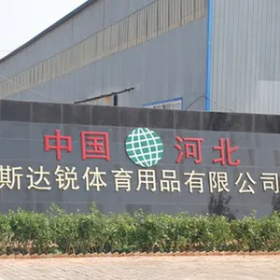
At Hebei Starry Sports Goods Co., Ltd., we understand that the quality of your final product begins with the integrity of our manufacturing process. Situated strategically in Xingji Town, Cangzhou City, our facility benefits from excellent transportation links, including proximity to Jinpu railway, National Road 104, and critically, Tianjin Port, approximately 100 kilometers away. This advantageous location facilitates efficient inbound raw material sourcing and streamlined outbound global shipping, ensuring competitive lead times for our international clientele.
Covering an expansive area of 67,000 square meters, our state-of-the-art production facility is equipped to handle large-scale orders while maintaining stringent quality control. We employ a dedicated workforce of 316 skilled professionals, each contributing to our reputation for excellence. Our annual output exceeds 5 million various sports balls, demonstrating our robust production capacity to meet significant demand.
Our Core Strengths Include:
In 2023, our total revenue exceeded 30 million RMB, a testament to the trust placed in us by a diverse international clientele. Our customer coverage spans approximately 80% of global regions, reflecting our ability to serve a wide array of markets with varied demands.
Choosing Hebei Starry Sports Goods Co., Ltd. means partnering with a manufacturer that prioritizes quality, efficiency, and customer satisfaction. We are dedicated to leading the trend through innovative designs and rich color matching, ensuring our products are not only functional but also appealing to sports enthusiasts and professional athletes alike.

Building trust with our international partners is as important as manufacturing a quality product. Here’s what some of our clients have shared about their experience working with Hebei Starry Sports Goods Co., Ltd.:
"We've been sourcing soccer balls for our distribution network in Europe for three years now. Starry's consistency in quality, especially with their thermally bonded match balls, has significantly reduced our return rates. Their communication regarding production schedules and shipping is always prompt and accurate."

"As a growing e-commerce brand, finding a reliable OEM partner was crucial. Starry Sports understood our vision for a high-performance, yet affordable training ball. They were flexible with our custom branding requirements and delivered a product that our customers love. The lead times are also very competitive."

"We initially tested several manufacturers for our youth league's equipment. Starry's Size 4 and Size 5 training balls stood out for their durability and consistent performance, even after heavy use. Their team was professional and knowledgeable, making the import process smooth."

"Starry Sports has been instrumental in supplying our national team with practice balls. The quality is consistently high, and they've been able to accommodate our specific requests for materials and construction. Their reliability is a key factor in our long-term relationship."

PU (Polyurethane) balls generally offer a softer touch, better flexibility, and more consistent performance across temperatures, making them ideal for match balls. PVC (Polyvinyl Chloride) balls are typically more durable against abrasion and cost-effective, making them suitable for heavy training and recreational use.
Thermally bonded construction uses heat and pressure to fuse the panels together, creating a virtually seamless surface. This results in superior sphericity, excellent water resistance, and enhanced durability compared to stitched balls.
Reputable manufacturers will provide a certification number or documentation from FIFA. You can often cross-reference this on FIFA's official website under their equipment standards section. Be wary of claims without verifiable proof.
Lead times vary based on order volume, customization complexity, and production schedules. For a standard order, it can range from 30 to 60 days from confirmation to shipment. Hebei Starry Sports Goods Co., Ltd. focuses on efficient production and logistics to minimize these times, but clear communication regarding your specific timeline is essential.
Yes, Hebei Starry Sports Goods Co., Ltd. specializes in OEM/ODM services. We work with clients to develop custom logos, panel designs, color schemes, and material specifications to meet unique branding needs.
To maximize lifespan, avoid over-inflation, store balls in a cool, dry place away from direct sunlight, and keep them clean. For synthetic leather balls, a damp cloth is usually sufficient for cleaning. Ensure they are properly inflated before use but not excessively so, as this can stress the seams and bladder.
Partner with Hebei Starry Sports Goods Co., Ltd. for high-quality, performance-driven soccer balls that meet global standards. We offer competitive factory pricing, reliable production, and efficient international logistics.
Request a Custom Quote Today!Or contact us directly:
Call Us: +86 15713370191 / +86 15369832815 / +86 15720387999
E-mail: starry005@ballschina.com / starry003@ballschina.com / starry001@ballschina.com
WELCOME TO INQUIRE


LATEST NEWS
Crafted with precision and care, our soccer ball features a durable rubber core that ensures excellent bounce and resilience. The rubber material is not only lightweight but also provides the ideal amount of grip, allowing players to control the ball with ease. This means you can focus on perfecting your shots, passes, and tricks without worrying about the ball slipping away from you.
26,04 , 2026
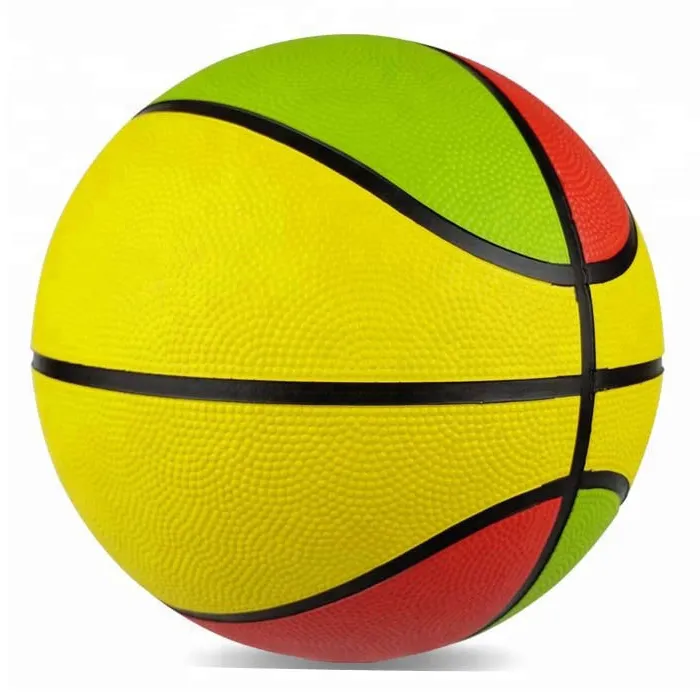
Custom Mini Basketball Ball for Branding and Promotional Use
In today’s competitive marketplace, brands are constantly searching for creative, cost-effective way
READ MORE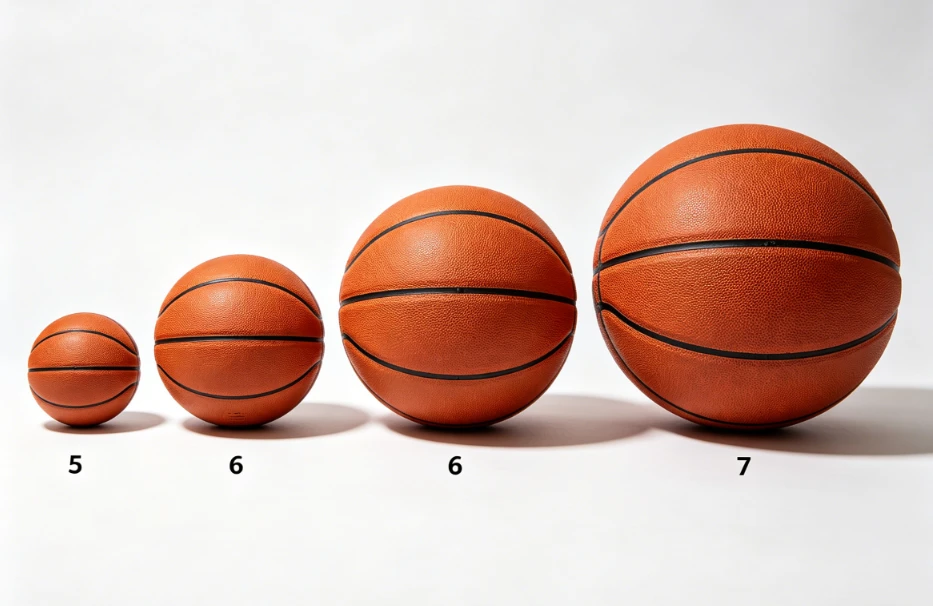
24,04 , 2026
Size Guide for Basketballs Wholesale: From Youth to Professional
Choosing the right basketball size is one of the most important decisions for wholesalers, sports eq
READ MORE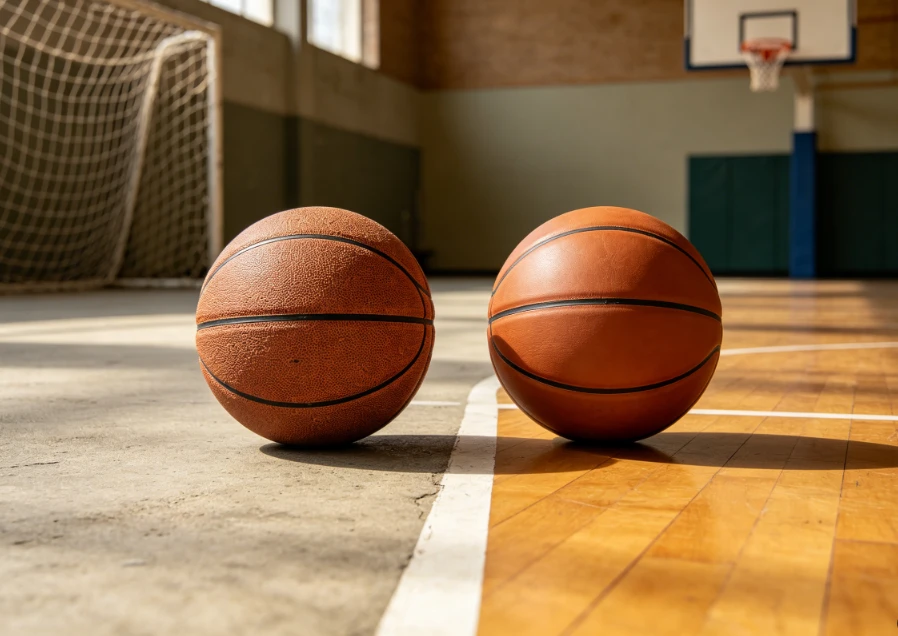
23,04 , 2026
Outdoor vs Indoor Basketballs Wholesale: Key Differences
When sourcing basketballs in bulk, understanding the difference between outdoor and indoor models is
READ MORE