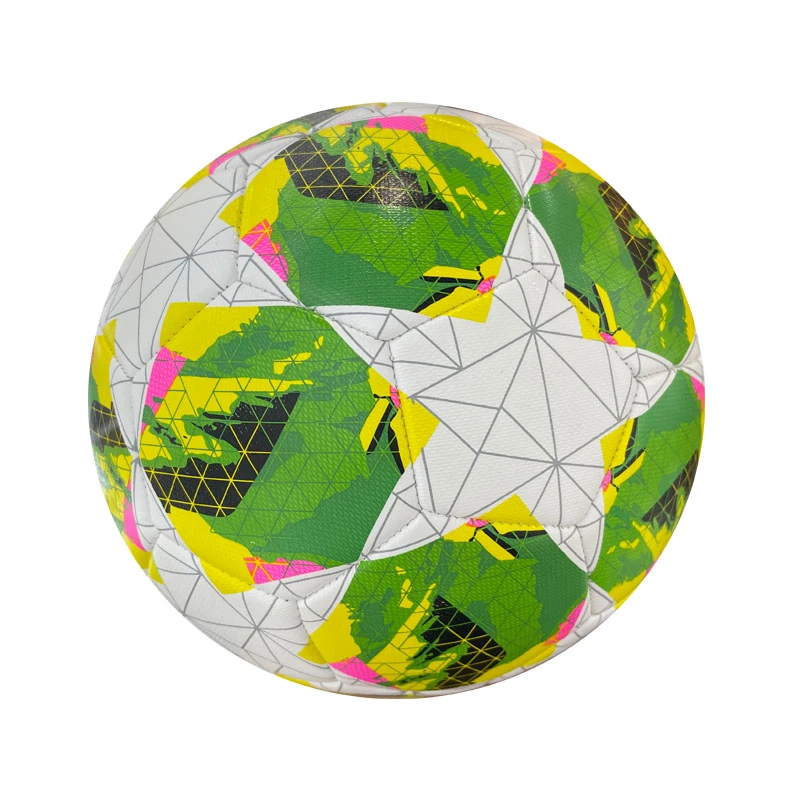

The Foundation of Every Kick: Why Material Choice is Paramount
When you're on the pitch, the feel, the flight, and the responsiveness of the soccer ball are everything. But behind that perfect strike lies a complex interplay of materials, construction methods, and manufacturing expertise. For those of us in the B2B international trade space – be it sourcing for distribution, supplying OEM/ODM factories, or navigating cross-border commerce – understanding these material types isn't just technical knowledge; it's a strategic imperative. It dictates product performance, durability, cost-effectiveness, and ultimately, customer satisfaction.
The global soccer ball market, projected to reach figures around USD 7-10 billion by 2031 according to various industry reports like Mordor Intelligence and Business Research Insights, is a testament to the sport's enduring appeal. However, within this large market, subtle differences in material composition can carve out significant niches. A ball designed for a professional match demands a different material profile than one intended for a youth training program or a durable option for recreational play in diverse weather conditions. Getting this wrong means unsold inventory, dissatisfied clients, and a dent in your reputation.
From the high-pressure environments of professional leagues to the grassroots development programs fueling future stars, the expectation on a soccer ball is consistent: it must perform reliably, season after season. This places immense pressure on the materials used. We’re talking about compounds that can withstand intense friction, retain their shape under significant impact, resist water absorption, and offer predictable aerodynamic properties. The choice between polyurethane (PU), polyvinyl chloride (PVC), synthetic leather, or even more advanced composite materials isn't an arbitrary one; it's a critical decision that impacts every aspect of the ball's lifecycle.
Our experience at Hebei Starry Sports Goods Co., Ltd., having been active in the foreign trade market since 2016 and manufacturing footballs, basketballs, and volleyballs with an annual output exceeding 5 million units, shows us that material innovation is a constant. We've seen trends shift from basic PVC to sophisticated multi-layered PU, each offering distinct advantages and catering to different market segments and price points. The procurement manager in North America might prioritize a FIFA Quality Pro certified ball with superior touch and flight characteristics, while a distributor in Southeast Asia might focus on a robust, water-resistant option suitable for humid climates and demanding training routines.
This isn't just about surface material either. The bladder – the internal component that holds the air – is equally vital. Whether it's butyl or latex, its properties directly affect air retention, bounce consistency, and the overall feel of the ball. A butyl bladder, known for its excellent air retention, is often preferred for training balls and official match balls where consistent performance is paramount. Latex, while offering a softer feel and better responsiveness, tends to lose air more quickly, making it more suited for high-performance, top-tier match balls where frequent inflation is expected and a premium feel is desired.
Consider the construction method: stitched, thermally bonded, or machine-stitched. While not directly a material type, the construction method significantly influences how the material is utilized and its resulting performance. Thermally bonded balls, for instance, create a more seamless surface, reducing water uptake and improving sphericity and aerodynamic stability. This method is increasingly the standard for high-end match balls, often using advanced PU materials that conform seamlessly to the thermally bonded construction. For procurement professionals, understanding that a premium PU ball might be "thermally bonded" gives a clearer picture of its intended use and price bracket.
The sheer variety can be overwhelming. You'll encounter terms like "PU leather," "microfiber PU," "synthetic leather," "PVC," and "hybrid materials." Each has its own characteristics regarding softness, durability, water resistance, and cost. Polyurethane (PU) generally offers a softer touch, better feel, and superior performance, making it the material of choice for professional and high-end training balls. Polyvinyl Chloride (PVC), while less expensive and more durable in some aspects, can feel harder and is more susceptible to becoming stiff in cold weather. It's a common choice for entry-level balls and promotional items.
As an export director who deals with diverse international markets daily, I've learned that specifying the right material isn't just about meeting a technical requirement; it's about understanding the end-user, the application, and the prevailing market conditions. For example, in regions with high humidity or frequent rainfall, a ball with excellent water-repellent properties is not a luxury but a necessity. Similarly, for youth development programs, a ball with a softer touch reduces the impact on young players' feet and heads, encouraging longer practice sessions and fostering a love for the game.
The market insights from Mordor Intelligence suggest that Size 5 balls dominate, accounting for over 51% of the market share. This highlights the importance of materials that cater to the performance demands of this standard size across all levels of play. The CAGR of 2.77% to 9.40% reported by various sources (Mordor Intelligence, Business Research Insights, Zion Market Research) indicates a steady to robust growth, underscoring the ongoing demand for quality soccer balls and, by extension, the materials that comprise them. This growth is driven by factors like increasing global participation, youth and women's football programs, and the demand for premium, technologically advanced balls.
This article will serve as your practical guide. We'll break down the most common soccer ball material types, their pros and cons, typical applications, and what to look for when specifying them for your next order. We aim to equip you, the purchasing manager, procurement director, or B2B distributor, with the knowledge to make informed decisions that align with your commercial objectives and ensure the quality your clients expect. Let's get into the details.
Key Takeaways for Procurement Professionals:
- Material impacts performance: Touch, flight, and durability are directly linked to the materials used.
- Market segmentation is key: Different materials serve different price points and player levels (professional, training, recreational).
- Construction matters: Thermally bonded and machine-stitched construction interact with material properties.
- Consider environmental factors: Water resistance and temperature sensitivity are crucial for certain markets.
- Internal components are vital: Bladder material (butyl vs. latex) significantly affects air retention and feel.
Exploring the Core Materials: A Material Breakdown
When we talk about the "material" of a soccer ball, we're primarily referring to the outer cover panels. These are the pieces that are stitched or bonded together to form the ball's shape. The most common materials you'll encounter in the wholesale export market are Polyurethane (PU) and Polyvinyl Chloride (PVC), with variations and advanced composites also playing a role.
1. Polyurethane (PU)
Polyurethane is the go-to material for higher-quality soccer balls. It offers a superior feel, better control, and improved durability compared to PVC, especially in varying weather conditions. PU materials can be engineered with different textures and thicknesses to achieve specific performance characteristics.
- Types:
- Microfiber PU: This is a premium type of PU that mimics the feel of genuine leather. It's incredibly soft, offers excellent grip, and provides a fantastic touch on the ball. It's the standard for professional match balls.
- Synthetic PU: A more general term, this can range from softer, more supple versions to slightly firmer ones. It's widely used for high-end training balls and official match balls below the top FIFA certification tiers.
- PU Coated Polyester/Nylon: Often used in thermally bonded constructions, these materials offer a great balance of durability, water resistance, and performance.
- Advantages:
- Soft touch and excellent feel.
- Superior performance in wet conditions (less water absorption).
- Better shape retention and durability over time, especially under impact.
- Good elasticity and responsiveness.
- Can be engineered for precise aerodynamic properties.
- Disadvantages:
- Higher cost compared to PVC.
- Can be more susceptible to damage from sharp objects.
- Some lower-grade PU can become stiff in extreme cold.
- Applications: Professional match balls (FIFA Quality Pro, FIFA Quality), high-level training balls, premium recreational balls.
Industry Insight: When specifying PU, pay attention to the density and weave of the backing material. This significantly impacts the ball's overall feel and resilience. We often work with manufacturers to achieve specific tactile feedback through precise PU coating and backing combinations.
2. Polyvinyl Chloride (PVC)
PVC is a more economical material, making it a popular choice for budget-friendly soccer balls. It's known for its durability and resistance to abrasion, though it can be harder and less responsive than PU.
- Types:
- Standard PVC: The most basic form, often used for promotional balls, entry-level training balls, and balls for younger children.
- Coated PVC: May have a thin coating to improve its surface feel or water resistance slightly, but it remains fundamentally a PVC product.
- Advantages:
- Lower cost, making it ideal for mass-market products and promotions.
- Generally very durable against abrasion and wear.
- Good resistance to water absorption, though it can become heavy if saturated.
- Disadvantages:
- Harder feel and less touch compared to PU.
- Can become stiff and less responsive in cold temperatures.
- Less consistent flight path and bounce characteristics.
- Environmental concerns associated with PVC production and disposal.
- Applications: Promotional balls, entry-level training balls, children's balls, beach balls, and low-cost recreational balls.
Procurement Note: While PVC is cost-effective, ensure the grade is suitable for the intended climate. A harsh winter in Northern Europe could render a PVC ball unacceptably stiff, leading to customer complaints. Always clarify the specific grade and any coatings applied.
3. Hybrid Materials & Composites
As technology advances, manufacturers are increasingly using hybrid materials or advanced composites. These often involve layering different materials or using novel synthetic blends to achieve a specific balance of performance, durability, and cost.
- Examples:
- PU/PVC Blends: Combine some of the softness of PU with the cost-effectiveness of PVC.
- Synthetic Leather with Specialized Backings: Advanced synthetic leathers with multi-layer textile backings designed for optimal energy transfer and shape retention.
- Water-Resistant Treatments: Special coatings applied to PU or PVC to significantly reduce water absorption, making them ideal for wet conditions.
- Advantages:
- Customizable performance characteristics.
- Potential for improved durability and water resistance over standard materials.
- Can offer a competitive price point for mid-range performance.
- Disadvantages:
- Performance can vary significantly between manufacturers.
- May not meet the highest professional standards (e.g., FIFA Quality Pro).
- Applications: Mid-range training balls, recreational balls, specific niche applications requiring unique properties.
4. Rubber
While less common for high-performance soccer balls, rubber is sometimes used, particularly for cheaper, more durable balls or specific types of indoor balls where grip is paramount. It's also a common material for general sports balls like basketballs and volleyballs.
- Advantages:
- Extremely durable.
- Excellent grip.
- Cost-effective.
- Disadvantages:
- Heavy and stiff feel.
- Poor aerodynamics and inconsistent flight.
- Can be prone to cracking in UV light or extreme temperatures.
- Applications: Basic playground balls, some specific indoor balls, very low-cost promotional items.
Beyond the Cover: Bladder Materials
The bladder is the heart of the ball, dictating air retention and bounce. The two primary materials are:
- Butyl: Offers superior air retention, meaning the ball stays inflated longer. It's durable and provides a consistent bounce. Ideal for official match balls and training balls where minimal re-inflation is desired.
- Latex: Provides a softer touch, greater responsiveness, and a livelier feel. However, it loses air much faster than butyl, requiring more frequent inflation. Often used in high-end, professional match balls where a premium feel is prioritized.
Manufacturing Tip: The choice between butyl and latex bladders significantly affects the ball's final price and performance profile. Always clarify this specification when ordering.
Construction Techniques: How Materials Are Assembled
The way a soccer ball is constructed is intrinsically linked to its material. The method of joining the panels affects the ball's shape, durability, and water resistance. Here are the primary techniques:
1. Machine-Stitched
Panels are sewn together using industrial machines. This is the most common method for lower-cost balls. The stitches create small holes, which can potentially allow water ingress and affect aerodynamics.
- Pros: Cost-effective, relatively quick to produce.
- Cons: Less durable than other methods, prone to water absorption, can lose shape over time, not ideal for high-performance match balls.
- Materials typically used: PVC, lower-grade PU.
2. Hand-Stitched
Panels are sewn together by hand, usually with a thicker thread and larger stitches than machine-stitched balls. This method offers better durability and shape retention than machine stitching.
- Pros: More durable than machine-stitched, better shape retention.
- Cons: Labor-intensive and therefore more expensive, still has stitch holes that can absorb water.
- Materials typically used: PU, synthetic leather.
3. Thermally Bonded
This advanced construction method uses heat and pressure to fuse the panels together, creating a virtually seamless surface. This significantly reduces water uptake and enhances sphericity and aerodynamic stability.
- Pros: Excellent sphericity, superior water resistance, enhanced durability, consistent flight path, premium feel. This is the standard for FIFA Quality Pro balls.
- Cons: Higher production costs due to specialized equipment and processes.
- Materials typically used: High-quality PU, advanced synthetic composites.
Market Trend: Thermally bonded construction is rapidly becoming the standard for premium match balls across major leagues and federations. As noted by Mordor Intelligence and Business Research Insights, innovations in thermally bonded PU/TPU materials are driving demand for better sphericity, water resistance, and durability.
4. Hybrid Construction
Combines elements of stitching and bonding. For instance, panels might be stitched together and then sealed with a thermal process to improve water resistance and durability.
- Pros: Balances performance benefits of bonding with the cost-effectiveness or tactile feel of stitching. Good water resistance.
- Cons: Performance can vary.
- Materials typically used: PU, synthetic leather.
Our Factory Expertise: Achieving Perfect Ball Construction
At Hebei Starry Sports Goods Co., Ltd., we leverage advanced machinery for both thermally bonded and machine-stitched construction. Our technical teams constantly review material advancements and bonding techniques to ensure we can offer balls that meet international standards like FIFA Quality Pro, FIFA Quality, and IMS (International Matchball Standard). We understand that the right material paired with the right construction method is key to delivering consistent product quality for our global clients.
Call us: +86 15713370191 to discuss custom OEM/ODM solutions.
Choosing the Right Material: A Buyer's Guide
Selecting the appropriate soccer ball material is a decision influenced by several factors. As procurement professionals, your focus will likely be on balancing performance requirements, budget constraints, durability needs, and brand positioning.
1. Intended Use & Performance Level
This is the most critical factor. Where will the ball be used, and by whom?
- Professional Match Play: Requires top-tier materials like microfiber PU, thermally bonded construction, and butyl bladders for FIFA Quality Pro certification. Focus on responsiveness, accurate flight, and consistent feel.
- High-Level Training: Premium PU or advanced synthetic leather, often thermally bonded or hybrid construction, with butyl bladders. Durability and consistent performance are key.
- Recreational/Club Training: Durable PU or high-grade synthetic leather, machine-stitched or hybrid construction, butyl bladders. A balance of performance and longevity.
- Entry-Level/Youth: PVC or basic PU, machine-stitched, butyl bladders. Focus on affordability, basic durability, and a softer touch for younger players.
- Promotional Items: Often PVC, machine-stitched, for brand visibility and lower cost.
2. Budgetary Constraints
Materials directly impact cost. PVC balls are the most economical, followed by various grades of PU, with microfiber PU and specialized composites at the higher end. Remember that while a cheaper ball might save money upfront, its shorter lifespan or inferior performance could lead to higher long-term costs or customer dissatisfaction.
3. Environmental Conditions
Consider the climate of the target market. For regions with high humidity or frequent rain, prioritize balls with excellent water-resistance, typically achieved with thermally bonded PU or specially treated synthetics. In colder climates, ensure the material doesn't become overly stiff.
4. Durability and Longevity
If the balls will be used extensively for training or in rough conditions, prioritize materials known for abrasion resistance and shape retention. Thermally bonded construction generally offers superior longevity.
5. Certifications and Standards
For professional or official match play, look for certifications like FIFA Quality Pro, FIFA Quality, or the International Matchball Standard (IMS). These certifications require balls to pass stringent tests regarding weight, circumference, roundness, rebound, water absorption, and shape/size retention. Material choice and construction are fundamental to meeting these standards.
| Feature | PVC | Standard PU | Microfiber PU / Premium Synthetics |
|---|---|---|---|
| Cost | Low | Medium | High |
| Touch/Feel | Hard | Soft to Medium | Very Soft, Premium |
| Durability (Abrasion) | Good | Very Good | Excellent |
| Water Resistance | Moderate (can get heavy) | Good | Excellent (especially bonded) |
| Performance (Flight/Bounce) | Basic | Good | Excellent, Consistent |
| Best For | Promotional, Entry-Level, Kids | Training, Recreational, Mid-Range Match | Professional Match, High-End Training |
Logistics & Lead Times
As an international supplier, we understand that lead times and shipping costs are critical. The material and construction method can influence production schedules. Thermally bonded balls, for example, may require more specialized setups and quality control, potentially impacting lead times. We work diligently to optimize our production lines and provide accurate delivery estimates for container loading and international freight. For bulk orders, early engagement allows us to secure necessary raw materials and plan production efficiently.
soccer ball material quality soccer balls soccer ball equipment
Industry Perspectives & Market Data
Understanding the broader market context is essential for strategic sourcing. The global soccer ball market is dynamic, influenced by participation rates, major tournaments, and technological advancements. Industry reports provide valuable insights:
- The global soccer ball market is substantial, with projections reaching between USD 7 billion and USD 10 billion by 2031, indicating sustained demand. (Mordor Intelligence).
- Size 5 balls continue to dominate, making up over 51% of the market share, emphasizing the need for materials that cater to this standard size across various applications. (Mordor Intelligence).
- Growth drivers include increased participation, youth and women's football development, and the demand for premium, technologically advanced balls, particularly those with thermally bonded construction. (Business Research Insights).
- The CAGR for the market hovers between 3% and 9.5% across different reports, signifying consistent expansion. (Zion Market Research).
These figures underscore the importance of aligning your material choices with current market trends and expected growth areas, particularly in premium and technologically advanced segments.
Our Commitment to Quality and Export Excellence
Hebei Starry Sports Goods Co., Ltd. has been a trusted name in international trade since 2016. We understand the complexities of sourcing high-quality sports equipment. Our manufacturing facility is equipped to produce a wide range of soccer balls, from cost-effective PVC options to FIFA Quality Pro certified match balls using advanced PU and thermally bonded construction. We pride ourselves on:
- Experienced Manufacturing: Over 5 million units annually with strict quality control protocols.
- Global Reach: Covering 80% of global regions with over 30 million USD in total revenue in 2023.
- Technical Expertise: Deep understanding of materials, construction, and international standards.
- Customer Focus: Dedicated to providing reliable products and exceptional service for OEM/ODM clients.
Location: South street, Xingji Town, Cangzhou, Hebei, China.
Convenient Access: Near Jinpu railway and No 104 National Road, approximately 100km from Tianjin Port.
Frequently Asked Questions (FAQs)
Q1: What is the difference between PU and PVC soccer balls?
PU (Polyurethane) offers a softer touch, better feel, and superior performance, especially in wet conditions. PVC (Polyvinyl Chloride) is more economical but feels harder and can stiffen in the cold. PU is generally preferred for higher-quality balls.
Q2: What does "thermally bonded" mean for a soccer ball?
Thermally bonded means the panels of the ball are fused together using heat and pressure, creating a seamless surface. This results in excellent sphericity, reduced water uptake, and improved durability compared to stitched balls. It's the standard for professional match balls.
Q3: Should I choose a butyl or latex bladder for my soccer balls?
Butyl bladders offer superior air retention and durability, making them ideal for training and match balls where consistent inflation is key. Latex bladders provide a softer touch and better responsiveness but require more frequent inflation; they are often used in top-tier professional match balls.
Q4: How do I ensure a soccer ball is suitable for wet weather?
Look for balls constructed with thermally bonded PU or specialized synthetic materials that have undergone water-resistant treatments. These constructions minimize water absorption, preventing the ball from becoming heavy and maintaining its performance characteristics.
Q5: What is the advantage of ordering OEM/ODM balls from a factory like yours?
OEM/ODM (Original Equipment Manufacturer/Original Design Manufacturer) services allow you to customize balls with your brand, specific material preferences, construction methods, and design elements. This provides unique products tailored to your market needs, backed by our manufacturing expertise and quality control.
Real-World Feedback from Our Partners

"We've been sourcing training balls from Starry Sports for our distribution network in the US for three years. Their PU balls hold up exceptionally well in various conditions, and the consistency in quality is something we can rely on. The butyl bladders mean fewer complaints about deflated balls."
- Mark J., Purchasing Manager, USA Sports Distributor
"Our OEM project for a premium match ball line was a success thanks to Hebei Starry. Their expertise in thermally bonded construction and microfiber PU was evident. The flight path is incredibly stable, and the touch is superb. They handled our custom branding perfectly."
- Sophie L., Product Developer, European Sporting Goods Brand
"For our youth league program, cost and durability are paramount. Starry Sports provides us with excellent machine-stitched PVC and entry-level PU balls that are affordable and tough enough for young players. Their ability to meet large volume orders consistently is critical for our operations."
- David R., Operations Director, Youth Sports OrganizationReady to Elevate Your Soccer Ball Procurement?
Understanding soccer ball material types is the first step. The next is partnering with a manufacturer that combines quality, expertise, and global reach.