 By Alex Chen, Senior Export Manager at Hebei Starry Sports Goods Co, Ltd
In the fast-paced world of competitive soccer, the difference between a good team and a championship contender often comes down to the details. While flashy plays and star athletes capture headlines, the unsung heroes of consistent performance are the tools of the trade: specifically, the soccer balls used for training. It might seem straightforward – it’s just a ball, right? But for procurement managers, coaches, and equipment directors, selecting the right training ball is a strategic decision that directly impacts player development, skill refinement, and even injury prevention.
Think about it from an operational standpoint. A team might train several hours a day, five days a week. Over a season, that’s hundreds of hours of ball contact per player. If those balls aren't designed for consistent flight, predictable bounce, and comfortable feel, players are developing with flawed fundamentals. They might be compensating for a ball that wobbles unexpectedly, feels too heavy, or loses air too quickly. This doesn't just hinder their progress; it can ingrain bad habits that are difficult to correct later on. From a supply chain perspective, a poor-quality training ball means higher replacement costs, more time spent on maintenance (like re-inflating), and ultimately, a lower return on investment for your sports program.
The global soccer market is robust, projected to reach anywhere from USD 9.97 billion by 2031 according to Mordor Intelligence, with a significant portion dedicated to balls for various applications. Business Research Insights even forecasts the soccer balls market to grow to USD 7.41 billion by 2035 at a CAGR of 9.32%, underscoring the massive demand and ongoing innovation. This isn't just about recreational leagues; it's about professional academies, collegiate programs, and national training centers where precision and durability are paramount. A training ball isn't just for kicking around; it’s a critical piece of development equipment, akin to a carpenter’s quality hammer or a chef’s well-honed knife. It needs to perform reliably, session after session, allowing players to focus on technique rather than fighting the equipment.
At Hebei Starry Sports Goods Co, Ltd, we understand that sourcing the right training soccer ball is more than a simple transaction. It's about partnering with a supplier who grasps the nuances of the game and the demands of consistent, high-level practice. We've been in the foreign trade market since 2016, manufacturing footballs, basketballs, and volleyballs with a commitment to quality that has earned us the trust of clients across 80% of global regions. Our annual output exceeds 5 million units, a testament to our production capacity and the consistent quality we deliver. We don't just make balls; we engineer tools for athletic development.
When a purchasing manager or operations director looks for training soccer balls, they're not just searching for a product; they're seeking a solution. A solution that ensures players can practice accurate passing, develop proper striking technique, and build confidence with every touch. They need a ball that maintains its shape and air pressure, offers good grip even in damp conditions, and is built to withstand the rigors of repeated impact on various surfaces – from well-manicured pitches to the more challenging environments of public parks or artificial turf. The right training ball fosters muscle memory, improves decision-making speed, and ultimately contributes to a more cohesive and skilled team.
Consider the Size 5 balls, which dominate the market with over 51% share according to Mordor Intelligence. While this size is standard for adult and older youth play, the underlying construction and material choices for training versions of these balls are where true value is found. A training ball might not need the ultra-premium, FIFA Quality Pro certification required for top-tier matches, but it absolutely needs to meet certain standards of durability, sphericity, and rebound. Failing to address these can lead to issues like inconsistent ball flight, which directly impacts the effectiveness of drills aimed at improving passing accuracy or long-range shooting.
This is where our expertise as a manufacturer and exporter comes into play. We've seen firsthand the evolution of soccer ball technology. While older methods relied heavily on stitching, advancements in thermally bonded construction have revolutionized performance. This technique, which uses heat to fuse panels together rather than relying solely on traditional stitching, creates a more seamless surface. This results in significantly lower water absorption, improved durability, and a more consistent, true flight path – all crucial attributes for effective training. For a procurement team, understanding these construction methods is key to identifying balls that will offer long-term value and consistent performance, reducing the need for frequent replacements and ensuring training sessions are never compromised by equipment issues.
We also recognize that the 'training' category itself is broad. Are we talking about elite academy sessions where the demands are nearly professional match-level, or are we equipping a community center's youth program? The answer dictates the required balance between performance, durability, and cost-effectiveness. A ball that is too expensive might be out of reach for budget-conscious organizations, while a ball that is too cheap might fail to provide the necessary developmental benefits or wear out within a single season, leading to a higher total cost of ownership. Hebei Starry Sports strives to offer a range of training balls that meet diverse needs, providing options that offer excellent value without compromising on core performance characteristics.
The global soccer ball market is dynamic, with major players like Adidas and Nike often setting the pace with premium match balls. However, the vast majority of ball usage occurs during practice. As noted by ResearchAndMarkets, the football equipment market (including balls) was valued at USD 128.91 billion in 2025, highlighting the sheer scale of the ecosystem. Within this, the demand for reliable training balls is perpetual. Players need to replicate match conditions as closely as possible during practice, and that starts with the ball. A ball that feels good off the foot, responds predictably to spin, and maintains its integrity under duress is an invaluable asset for any team serious about improvement.
As we delve deeper, we'll explore the specific technical aspects, material choices, and manufacturing processes that differentiate a good training ball from a great one. We'll also touch upon the realities of international logistics and how partnering with a seasoned exporter like Hebei Starry Sports can streamline your procurement process, ensuring timely delivery and consistent quality. Whether you're a distributor looking to expand your sports equipment inventory, an athletic director managing budgets, or a coach seeking the best tools for your players, understanding these elements is fundamental to making an informed purchase.
When sourcing sports equipment, especially for something as ubiquitous as soccer balls, it's easy to overlook critical details. However, making the wrong choice can lead to a cascade of operational headaches and hinder player development.
As an exporter, we often see buyers tempted by the lowest price. However, our experience shows that focusing on the build quality and material integrity of soccer balls for training yields far better long-term results. A ball that performs consistently allows coaches to design more effective drills and players to build reliable muscle memory.
At Hebei Starry Sports, our training soccer balls are engineered with the specific demands of practice sessions in mind. We focus on a combination of durability, consistent performance, and value that makes our products a smart investment for any team or organization.
Our design philosophy centers on creating training balls that are not just functional, but actively contribute to player development. By ensuring consistency in every touch, we allow coaches to focus on strategy and technique, confident that the equipment is performing as expected. It's this operational understanding that sets our products apart.
The choice of material for the outer casing of a soccer ball is fundamental to its performance, durability, and feel. For training balls, a careful balance is struck between cost-effectiveness and key performance indicators like touch, water resistance, and longevity.
Polyurethane (PU): Often considered the premium choice for higher-end training balls and match balls. PU offers a softer touch, better abrasion resistance, and a more consistent feel in various temperatures compared to PVC. It also tends to have lower water absorption. Balls made with PU panels, especially when thermally bonded, provide excellent flight stability and a sophisticated feel that many advanced players prefer. This material is ideal for programs where player feel and incremental skill development are top priorities.
Polyvinyl Chloride (PVC): A more cost-effective and generally more durable material, particularly against abrasion. PVC balls are often a great choice for very high-volume training environments or for younger age groups where extreme softness might not be as critical as durability and affordability. While traditionally having a firmer feel and higher water absorption, advancements in PVC formulations and coatings have improved their performance significantly. Many of our high-value training balls utilize specially treated PVC that offers a surprisingly good touch and excellent resilience.
Hybrid Materials & Coatings: Modern manufacturing often involves composite materials or advanced coatings applied to either PU or PVC. These can enhance grip, improve UV resistance (crucial for balls used outdoors frequently), or further reduce water uptake. At Hebei Starry Sports, we select our materials based on the specific performance profile required for each training ball model. For instance, a ball intended for damp climates or muddy fields might prioritize materials with superior water repellency, while a ball for arid regions might focus on UV protection and abrasion resistance.
Internal Construction: Beyond the outer shell, the bladder and lining are critical. We predominantly use high-quality butyl bladders for their excellent air retention properties, ensuring the ball stays inflated for longer. The lining, often made of layers of polyester or cotton thread, provides structure and support to the bladder and casing, contributing to the ball's shape retention and rebound.
Understanding these material differences is key for procurement teams. Choosing a PVC ball for a professional academy might be a false economy if the desired soft touch and feel are compromised. Conversely, opting for an all-PU ball for a recreational league might be unnecessarily expensive if a durable, well-constructed PVC ball would suffice. We provide detailed specifications for each product, allowing you to make an informed decision aligned with your budget and performance needs.
When evaluating training soccer balls, comparing technical specifications is essential for ensuring you procure equipment that meets your program's standards.
| Specification | Description | Importance for Training |
|---|---|---|
| Size | Standardized sizes (e.g., Size 5: 27-28 inches circumference for ages 13+). | Ensures correct ball size for age groups, crucial for skill development and avoiding injury. Size 5 is dominant for adult and youth competitive play. |
| Construction Method | Stitched, Glued, or Thermally Bonded Panels. | Thermally bonded offers superior water resistance, consistent flight, and durability. Stitched is traditional but can absorb more water. Glued is often for lower-cost balls. |
| Outer Casing Material | PU (Polyurethane), PVC (Polyvinyl Chloride), Composite Leather. | PU offers a softer touch and better feel. PVC is typically more durable and cost-effective. Material choice impacts feel, water resistance, and lifespan. |
| Bladder Material | Butyl, Latex. | Butyl offers superior air retention, ideal for training balls to minimize re-inflation. Latex provides a softer feel but loses air faster. |
| Panel Count | Commonly 32 panels (hexagonal and pentagonal), but modern designs vary. | Affects aerodynamics and ball shape. Consistent panel design leads to predictable flight. |
| Weight | Standardized for each size (e.g., Size 5: 410-450 grams). | Ensures compliance with regulations and consistent feel for players accustomed to official weights. |
| Rebound Height | Tested against standards (e.g., drop from 2 meters, rebound should be between 125-155 cm for Size 5). | A consistent rebound is vital for dribbling, ball control, and practicing volleys. |
| Water Absorption | Maximum percentage of weight gain after soaking. | Low water absorption is critical for performance in wet conditions and to prevent balls from becoming excessively heavy. Thermally bonded balls excel here. |
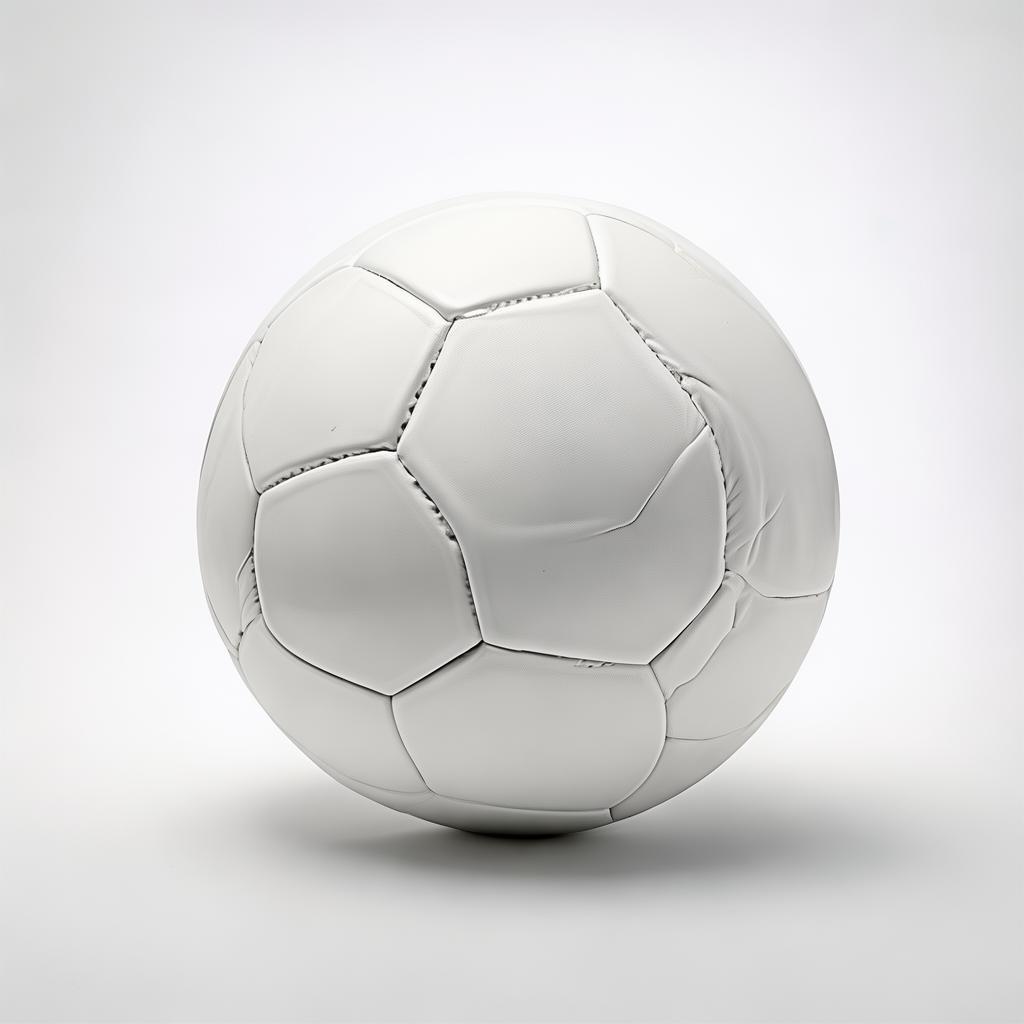
practice soccer ball soccer ball basic soccer ball equipment
As manufacturers, we adhere to these standards to ensure our training balls are not just cost-effective but genuinely beneficial for player development. For procurement managers, understanding these specs allows for precise ordering and ensures the received goods match expectations.
While primarily designed for the soccer field, high-quality training balls can serve multiple purposes, offering value beyond their core function.
The versatility of a well-made training ball means it’s not just a purchase for the soccer team, but potentially a valuable asset for an entire sports department or community organization. This broad applicability is something we consider in our manufacturing approach, aiming for designs that are robust enough for diverse uses.
For businesses looking to establish or expand their own sports equipment brand, Hebei Starry Sports offers comprehensive Original Equipment Manufacturer (OEM) and Original Design Manufacturer (ODM) services. We understand that brand identity and specific product requirements are crucial for your market success.
OEM (Original Equipment Manufacturer): If you have a specific design, material specification, or even a prototype for a training soccer ball, we can manufacture it precisely to your requirements. You provide the blueprints, and we execute the production with our advanced manufacturing capabilities, ensuring quality control and adherence to your standards. This is ideal for brands that have already established their product lines and simply need a reliable manufacturing partner.
ODM (Original Design Manufacturer): For clients who may not have a fully fleshed-out product design but possess a clear vision for their brand and target market, our ODM service is invaluable. We leverage our decades of experience and market knowledge to propose and develop innovative training soccer ball designs. This can include suggesting materials, panel constructions, color schemes, and performance features that align with current trends and consumer demand. We then handle the entire process from design to mass production, allowing you to launch your branded product efficiently.
Our established factory processes, experienced design and engineering teams, and robust quality assurance systems mean we can effectively support both OEM and ODM partnerships. Whether you need a training ball with your logo and specific colorway (OEM) or a completely new design tailored to your brand's unique selling proposition (ODM), Hebei Starry Sports is equipped to deliver. We aim to be more than just a supplier; we strive to be a strategic partner in building your brand's presence in the global sports market.
Contact us today to discuss how our OEM/ODM solutions can benefit your business and help you offer high-quality training soccer balls under your own brand name.
Choosing a manufacturing partner for sports equipment involves more than just looking at a price list. It requires confidence in production capacity, quality control, and export experience. Hebei Starry Sports Co, Ltd brings a robust combination of these factors to the table.
We are more than just a factory; we are a complete solution provider for your sports equipment needs, offering the manufacturing muscle, quality assurance, and global reach required in today's competitive market.
The global soccer ball market is dynamic, influenced by participation rates, technological advancements, and evolving consumer preferences. Understanding these trends helps in making strategic sourcing decisions.
One of the most significant trends is the shift towards thermally bonded construction. As noted by Business Research Insights, this method is driving growth, improving sphericity, water resistance, and durability. This construction is becoming standard even for higher-quality training balls, moving away from traditional stitched methods where performance demands are high.
The market is also seeing a continued focus on material innovation. While PU and PVC remain dominant, manufacturers are exploring composite materials and advanced coatings to enhance grip, touch, and longevity. The Mordor Intelligence report highlights demand for "premium thermally-bonded and sensor-enabled balls," indicating a dual market: robust demand for reliable training balls and a growing niche for advanced technology in premium segments. For training purposes, the focus remains on durability and consistent performance derived from advanced construction and material selection.
Participation rates remain a key driver. Youth and women's football programs are expanding globally, creating sustained demand for training equipment. Verified Market Research points to demand supported by "global soccer popularity, youth development initiatives," and "technological advancements." This grassroots growth translates directly into volume demand for training soccer balls.
The market also exhibits segmentation by application. While match balls are high-profile, the sheer volume of balls used for training and recreational play forms the backbone of the market. As per DataIntelo, "Segments by size, material, manufacturing process... highlight diverse opportunities." Our strategy at Hebei Starry Sports is to cater to this diverse demand by offering a range of training balls that provide excellent value across different price points and performance requirements.
Finally, the global supply chain is increasingly important. Manufacturing hubs like Sialkot (Pakistan) are well-known, but as demonstrated by our operations, established factories in China also play a vital role in meeting global demand with quality products. Factors like proximity to ports (like our access to Tianjin Port) and efficient logistics are critical for timely and cost-effective delivery, a key consideration for international buyers.
Sourcing training soccer balls internationally requires a systematic approach to ensure you get the right product at the right price, without compromising on quality or delivery timelines. Here’s a practical checklist for procurement managers:
At Hebei Starry Sports, we aim to make this process as transparent and efficient as possible. We provide detailed product specifications, readily available samples, and clear communication regarding lead times and logistics, ensuring a smooth procurement experience.
The demand for training soccer balls is a cornerstone of the broader sports equipment market. While match balls capture headlines, the consistent, high-volume need for practice equipment drives significant global sales. According to Mordor Intelligence, the global football (soccer) market was valued at approximately USD 8.47 billion in 2025 and is projected to grow. Even with varying CAGR projections across different reports—from 2.77% (Mordor Intelligence) to over 9% (Business Research Insights and Zion Market Research)—the underlying trend is consistent growth, fueled by increasing participation worldwide.
The dominance of Size 5 balls, holding over 51% of the market share, signifies the primary target demographic for adult and competitive youth play. However, the growth of youth and women's football programs globally is a key indicator for sustained demand in this segment. The increasing investment in grassroots development and school sports infrastructure worldwide directly translates into a need for reliable, durable training balls.
Innovations in construction, particularly the widespread adoption of thermally bonded technology, are enhancing the performance characteristics of training balls. This technology, as highlighted by multiple reports, improves sphericity, reduces water absorption, and increases durability. These are precisely the qualities that training programs prioritize for effective skill development and long-term value. It means that even entry-level to mid-range training balls can now offer performance closer to that of older-generation match balls.
The rise of e-commerce has also impacted the distribution of soccer balls, making it easier for international buyers to access manufacturers directly. This shift emphasizes the need for manufacturers to maintain high standards of quality and consistency. Our experience in exporting to 80% of global regions since 2016 positions us to meet this demand effectively, offering competitive pricing and reliable delivery.
Ultimately, the market for training soccer balls is characterized by steady growth, driven by participation, technological advancement, and a constant need for durable, performance-oriented equipment. Hebei Starry Sports is positioned to serve this market by offering a diverse range of balls that meet these evolving demands.
We pride ourselves on building strong relationships with our clients, grounded in consistent quality and reliable service. Here's what some of our partners have shared:
"We've been sourcing training soccer balls from Starry Sports for our academy for three seasons now. The durability is impressive – they hold up much better than previous brands we've used. The consistency in flight makes our drills much more effective. Highly recommend their Size 5 thermally bonded balls."
 Mark Jenkins, Operations Manager, Northwood Youth Soccer Club
"As a distributor, consistency is key. Starry Sports consistently delivers training balls that meet our quality standards and our clients' expectations. Their communication and logistics support are top-notch, ensuring our orders arrive on time, even to our European warehouse. The OEM service for our house brand has also been seamless."
 Isabelle Dubois, Procurement Director, EuroSport Distribution
"We needed a reliable supplier for a large order of training balls for a nationwide tournament. Starry Sports proved to be an excellent choice. They managed the production efficiently, and the quality of the balls exceeded our expectations for the price point. We appreciated their proactive approach to resolving a minor shipping delay."
 Carlos Ramirez, Event Coordinator, National Youth Sports Federation
A: The lifespan of a training soccer ball depends heavily on usage frequency, playing surface, and maintenance. However, our higher-quality training balls, particularly those with thermally bonded PU casings and butyl bladders, are designed for extended durability and can last through multiple seasons of regular training sessions. We typically see clients replacing them due to wear and tear after 1-3 seasons of consistent, heavy use.
A: Yes, we manufacture training soccer balls in all standard sizes, with Size 5 being the most popular for adult and older youth play. We also produce Size 4 (typically for ages 8-12) and Size 3 (for younger children). Please specify your requirement for size when requesting a quote.
A: Match balls are typically manufactured to the highest standards (e.g., FIFA Quality Pro) for optimal performance in competitive games, often using premium materials and construction. Training balls prioritize durability and value for money, designed to withstand more rigorous use over time. While performance is still crucial for training effectiveness, the absolute highest level of precision might be scaled back to ensure longevity and affordability.
A: Our MOQs vary depending on the specific product and customization requirements. Generally, for standard training soccer balls, MOQs can range from 500 to 1000 units. For custom OEM/ODM orders, the MOQ might differ. Please contact our sales team with your specific requirements, and we can provide a precise MOQ.
A: Quality is paramount at Hebei Starry Sports. We implement a multi-stage quality control process that includes material inspection upon arrival, in-process checks during manufacturing (e.g., stitching, bonding, bladder inflation tests), and final inspection of finished products before packaging. We adhere to strict internal quality standards and can also work with clients to meet their specific QC protocols.
Don't let subpar equipment hinder your team's potential. Partner with Hebei Starry Sports Goods Co, Ltd for high-performance, durable training soccer balls that deliver exceptional value.
WELCOME TO INQUIRE


LATEST NEWS
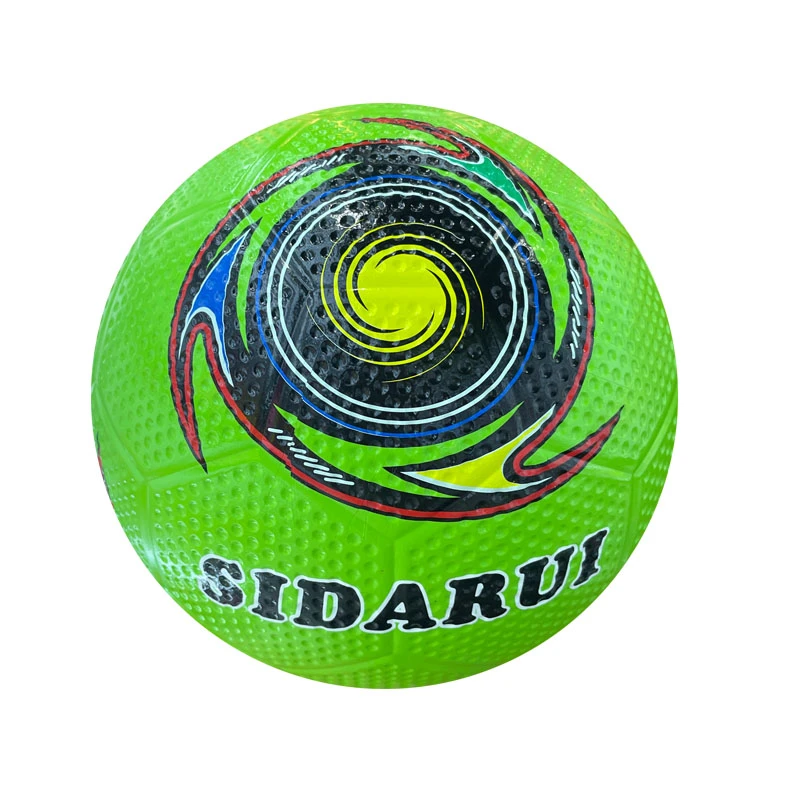
Crafted with precision and care, our soccer ball features a durable rubber core that ensures excellent bounce and resilience. The rubber material is not only lightweight but also provides the ideal amount of grip, allowing players to control the ball with ease. This means you can focus on perfecting your shots, passes, and tricks without worrying about the ball slipping away from you.
26,04 , 2026
Custom Mini Basketball Ball for Branding and Promotional Use
In today’s competitive marketplace, brands are constantly searching for creative, cost-effective way
READ MORE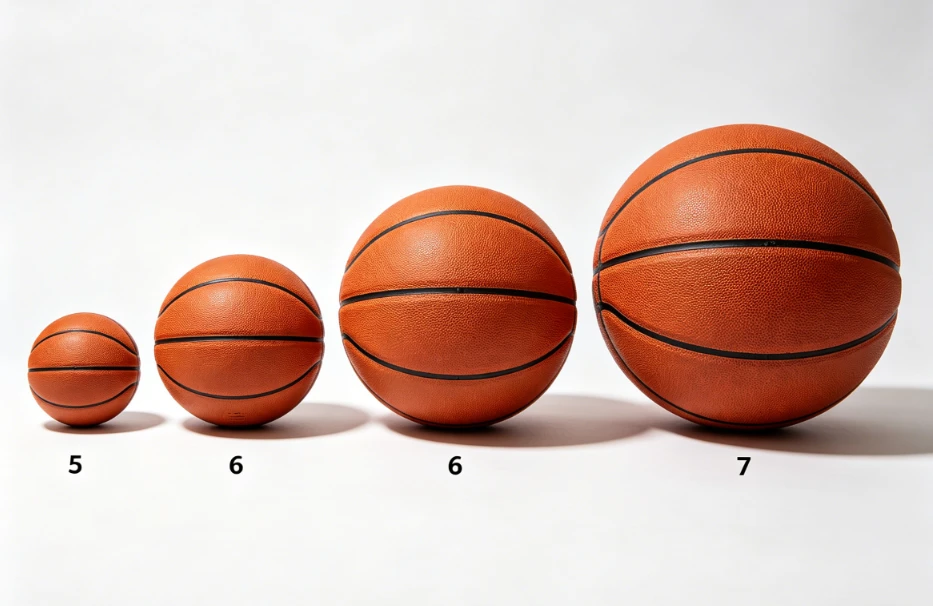
24,04 , 2026
Size Guide for Basketballs Wholesale: From Youth to Professional
Choosing the right basketball size is one of the most important decisions for wholesalers, sports eq
READ MORE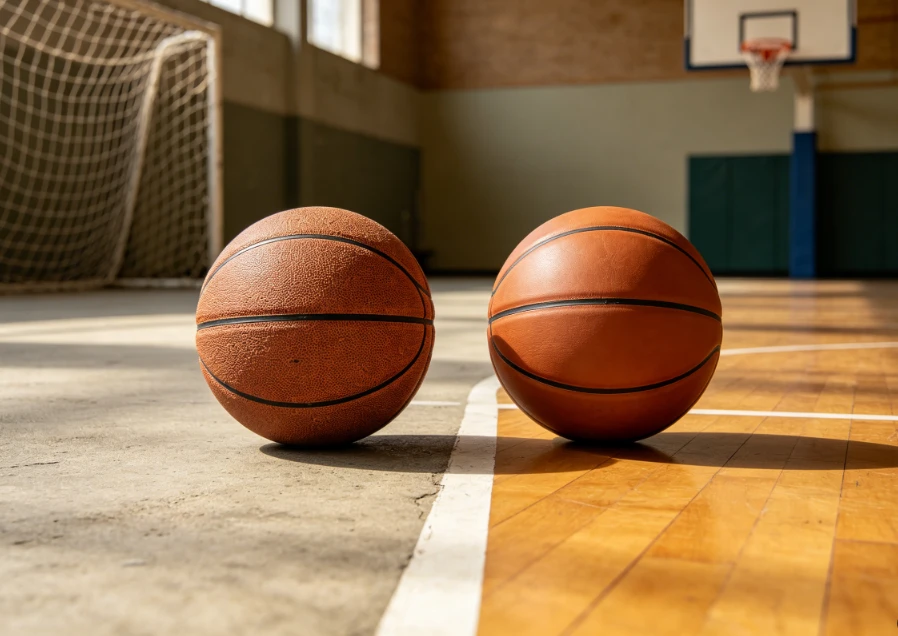
23,04 , 2026
Outdoor vs Indoor Basketballs Wholesale: Key Differences
When sourcing basketballs in bulk, understanding the difference between outdoor and indoor models is
READ MORE