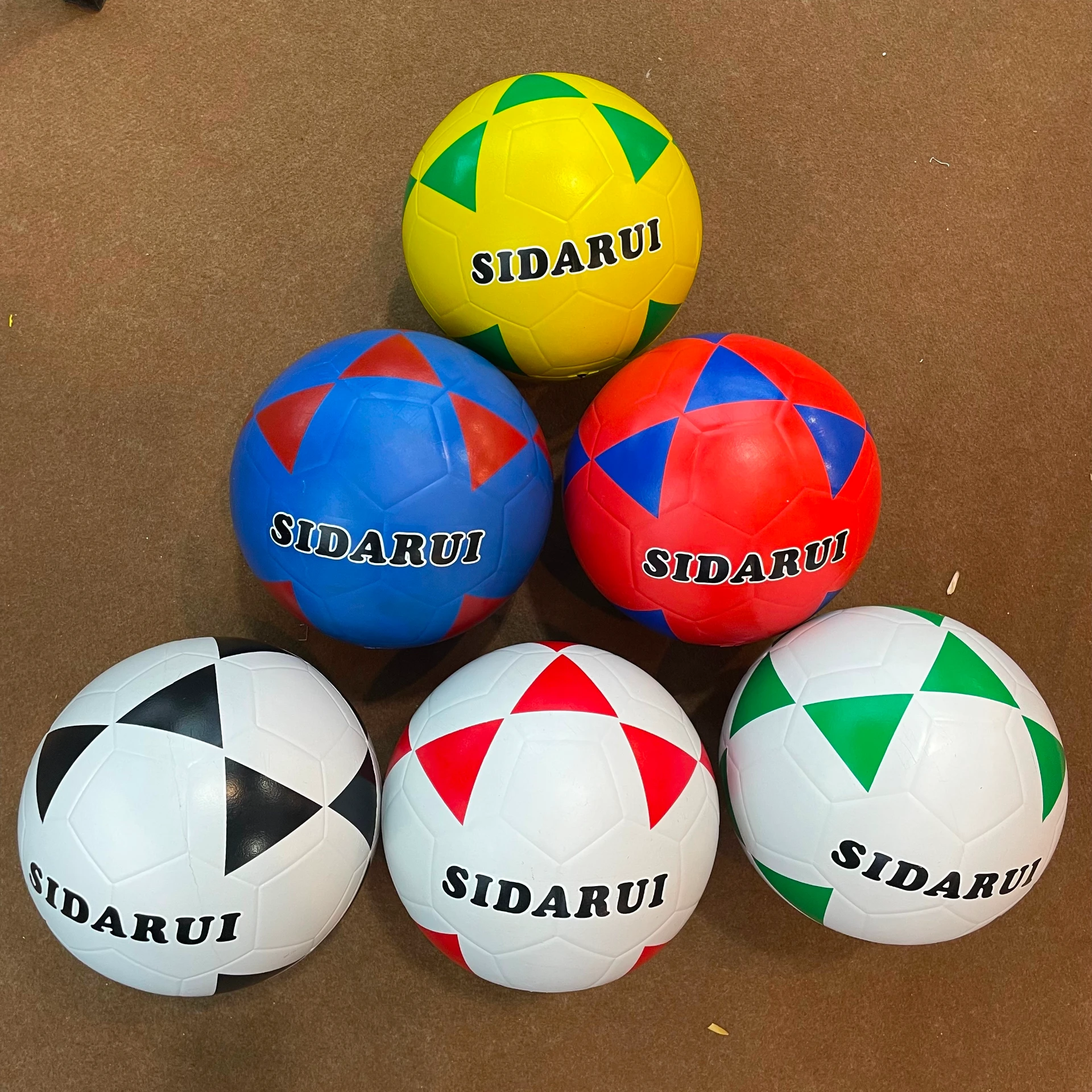

Introduction: The Heartbeat of the Game
When the whistle blows on the global stage, particularly during events like the World Cup, the ball isn't just a piece of equipment; it's the central character. The soccer ball for World Cup competition or for clubs aspiring to that level represents the pinnacle of design, engineering, and performance in the sport. For international buyers, distributors, and sports retailers, sourcing these elite-level balls means navigating a complex landscape of technical requirements, manufacturing standards, and market expectations. It's about more than just aesthetics; it's about consistent flight, optimal grip, superior durability, and adherence to stringent FIFA regulations.
The global football (soccer) market, a testament to the sport's universal appeal, was valued at approximately USD 8.47 billion in 2025 and is projected to reach USD 9.97 billion by 2031 at a CAGR of 2.77%. Size 5 balls, the standard for professional matches and serious training, dominate this market with over 51% share. This isn't just about professional leagues; it's also about the burgeoning grassroots participation, the growth of women's football, and the increasing demand for high-quality replica and training balls that mimic professional performance. "Growth is driven by rising global participation, youth and women’s football programs, major tournaments, and demand for premium thermally-bonded and sensor-enabled balls," as noted by Mordor Intelligence. This underscores a significant opportunity for suppliers who can consistently deliver on quality and performance.
For procurement professionals, understanding the nuanced demands of a "World Cup" soccer ball goes beyond surface-level features. It involves a deep dive into the construction methods, the materials used, and the rigorous testing protocols that ensure a ball performs flawlessly under immense pressure. A ball intended for the highest echelons of the sport must offer predictable flight dynamics, precise spin characteristics, and an unparalleled feel for the player. This level of performance is achieved through a combination of advanced material science, sophisticated manufacturing techniques like thermal bonding, and meticulous quality control. It’s a commitment to engineering that resonates with every touch, pass, and shot.
Furthermore, the global soccer balls market is projected to grow to USD 7.41 billion by 2035 at a CAGR of 9.32%, with Size 5 balls leading the charge. This robust growth highlights a sustained and increasing demand for high-quality soccer balls across professional, semi-professional, and advanced training segments. Key drivers include the sheer popularity of soccer worldwide, extensive youth participation programs, the ever-expanding e-commerce channels for sports equipment, and continuous innovation in materials such as thermally bonded PU (Polyurethane) and TPU (Thermoplastic Polyurethane) for enhanced sphericity, water resistance, and overall durability. This market dynamism presents a clear imperative for manufacturers to stay ahead of the curve, offering products that not only meet current standards but also anticipate future developments.
As an export director with years of experience in the sports goods manufacturing sector, I've seen firsthand how crucial it is to align product capabilities with market needs. The soccer ball for World Cup is often the aspirational standard for many markets. Buyers often look for balls that offer that professional feel, even if for training or amateur league play. They seek durability, excellent grip, and a consistent shape that doesn't deform easily, especially in varied weather conditions. This is where Hebei Starry Sports Goods Co, Ltd has built its reputation: by combining state-of-the-art manufacturing with an understanding of what truly matters on the pitch. Our commitment is to provide soccer balls that deliver exceptional value and performance, meeting the exacting demands of international clients looking for that competitive edge.
This guide is designed to demystify the process of sourcing these high-performance soccer balls. We will delve into the technical specifications that define a World Cup-caliber ball, explore the materials and manufacturing processes that contribute to their superior quality, and outline best practices for international procurement. Our aim is to equip you with the knowledge to make informed decisions, ensuring you partner with a manufacturer that can reliably supply soccer balls that meet the highest international standards, from the most demanding professional leagues to enthusiastic amateur clubs and retail markets worldwide. We understand the challenges of international trade – lead times, quality assurance, regulatory compliance – and we've structured our operations to address these head-on.
Understanding Market Demand: Beyond the Pitch
The demand for a soccer ball for World Cup standard isn't confined to national teams or professional academies. It permeates various market segments, each with its own specific requirements and purchasing drivers. Understanding these nuances is critical for any supplier aiming to capture significant market share.
At the top tier, there's the Official Match Ball. These are the balls used in the tournament itself, subject to the most rigorous FIFA Quality Pro standards. They represent the cutting edge of technology and design, often featuring unique graphics and advanced materials for optimal performance. The global soccer ball market was valued at approximately USD 2.79 billion in 2024 and is expected to reach around USD 6.84 billion by 2034 at a CAGR of roughly 9.40%, with premium balls seeing significant growth. This segment demands absolute precision and adherence to the highest international benchmarks.
Then we have the Professional Training Balls. These balls are designed to replicate the feel and flight characteristics of match balls but with enhanced durability to withstand the rigors of daily training. They often use similar panel designs and construction methods, such as thermal bonding, but may incorporate slightly different material grades to balance performance with longevity and cost-effectiveness. "Growth is propelled by increasing participation rates, major international tournaments, school and club programs, and consumer shift toward high-performance balls," according to LinkedIn market insights. This reflects a broad market appetite for quality, not just at the elite level.
The Replica and Fan Balls cater to a large consumer base, including amateur players and passionate fans. While they might not meet the FIFA Quality Pro standard, they aim to capture the aesthetic of the official match ball while offering good performance and value. These balls are crucial for brand visibility and revenue generation, especially during major tournaments. The sheer volume in this segment is substantial, driven by impulse buys and fan engagement.
The Youth and Recreational Balls are designed for younger players and casual play. They often come in smaller sizes (Size 3, 4) and prioritize safety, lighter weight, and durability. They are vital for introducing new generations to the sport and maintaining broad participation. The Youth Sports Market, for instance, is a significant driver for equipment sales, including balls.
From a manufacturer's perspective, specializing in a soccer ball for World Cup standard means having the capability to produce at multiple tiers. We at Hebei Starry Sports Goods Co, Ltd understand this. Our facilities are equipped to handle everything from the high-precision requirements of FIFA Quality Pro balls to robust, cost-effective options for mass markets. Our export experience since 2016 has shown us that clients in different regions have varying priorities – some demanding the absolute best, others seeking the best balance of quality and price. Our product range is structured to meet these diverse needs, ensuring we can serve a global clientele effectively.
Consider the Soccer Balls Market Report by DataIntelo, which estimates the global market size at USD 2.5 billion in 2023, likely to reach USD 5.8 billion by 2032 at a CAGR of 9.6%. This growth narrative is fueled by sustained consumer interest and product innovation. The key is to identify which segment aligns best with your import/distribution strategy. Are you targeting professional clubs needing certified match balls? Or perhaps sports retailers looking for high-volume training and fan merchandise? Our expertise allows us to guide you through these options, recommending the most suitable product lines based on your target audience and market positioning. We are not just a manufacturer; we are a strategic partner in your supply chain.
Beyond the Surface: Technical Specifications of a World Cup Ball
When we talk about a soccer ball for World Cup, we're referring to a product engineered to meet FIFA's stringent standards. These specifications aren't arbitrary; they are meticulously designed to ensure fair play, consistent performance, and player safety. Understanding these technical details is paramount for any serious buyer.
1. Size and Weight: The standard for professional and senior play is Size 5. A Size 5 ball should measure between 68-70 cm (27-28 inches) in circumference and weigh between 410-450 grams (14-16 ounces) when inflated to the correct pressure (0.6-1.1 bar at sea level).
2. Sphericity: This is perhaps the most critical technical aspect. A ball must be perfectly spherical. FIFA Quality Pro balls are tested to ensure that deviations from perfect sphericity are minimal, typically within ±1.5% of the diameter. This consistency is crucial for predictable flight and spin. Manufacturing processes like thermal bonding are key to achieving this precision, ensuring panels are joined seamlessly without distortion.
3. Pressure Loss: A World Cup match ball must retain its inflation pressure remarkably well. FIFA regulations stipulate that after 72 hours, the ball should not lose more than 20% of its initial pressure. This is tested by inflating the ball to 1.0 bar and measuring the pressure after three days. Reliable bladder materials (like butyl rubber or latex) and advanced panel sealing are essential for meeting this standard.
4. Water Absorption: In wet conditions, a ball's performance can be severely compromised if it absorbs too much water. FIFA standards limit water absorption to a maximum of 10% of the ball's own weight. High-quality PU or TPU materials, combined with water-repellent coatings and effective panel bonding, are used to minimize this. This is especially important for regions with variable weather, as noted in market analyses highlighting durability and water resistance as key growth drivers.
5. Rebound Test: The ball must exhibit a consistent bounce. When dropped from a height of 2 meters (6 feet 6 inches) onto a steel surface, the rebound height should be between 125 cm (49 inches) and 155 cm (61 inches). This is measured by the height to which the ball rebounds when dropped from shoulder height (around 2 meters).
6. Aerodynamics: While not always explicitly tested in a single number for all standards, the shape, panel design, and surface texture of a World Cup ball are optimized for stable flight and predictable movement through the air. Manufacturers invest heavily in aerodynamic studies to ensure the ball flies true, allowing players to anticipate its trajectory accurately. This is often achieved through carefully designed panel shapes and surface textures.
7. Impact Resistance: The ball must withstand repeated high-impact collisions with players' feet and the ground without deforming or breaking. This is a testament to the strength and resilience of the outer casing materials and the bonding techniques used. As market reports emphasize, "innovations in materials and construction enhance durability, flight stability, and performance tracking."
At Hebei Starry Sports Goods Co, Ltd, we utilize advanced machinery and quality control processes to ensure every ball leaving our facility meets these demanding criteria. Our Size 5 match balls are constructed using premium PU or TPU, featuring thermally bonded panels to achieve superior sphericity, minimal water absorption, and excellent rebound characteristics. We understand that for a soccer ball for World Cup level, consistency is non-negotiable. We invite you to review our technical specification sheets and compare them against the FIFA Quality Pro requirements.
Material Science: The Foundation of Performance
The evolution of the soccer ball for World Cup is deeply intertwined with advancements in material science. Gone are the days of simple stitched leather. Today's high-performance balls leverage sophisticated synthetic materials engineered for specific attributes on the pitch.
The primary outer casing materials are typically:
- Polyurethane (PU): Often the material of choice for high-end match balls. PU offers excellent softness, a great feel, and superior durability. It can be formulated to provide consistent performance across a wide range of temperatures and conditions. Advanced PU formulations can offer a more 'natural' feel, mimicking traditional leather while providing enhanced water resistance and durability.
- Thermoplastic Polyurethane (TPU): TPU is another robust synthetic material, known for its excellent abrasion resistance and flexibility. It's often used in training balls and replica balls due to its durability and cost-effectiveness. High-quality TPU can also offer a good feel and reliable performance, especially when thermally bonded.
These materials are not just simple plastics; they are multi-layered composites. A typical high-performance ball might feature:
- Outer Casing: The visible layer, usually made of PU or TPU, engineered for grip, touch, and durability. Surface textures and patterns are often optimized for aerodynamic stability and player control.
- Foam Layer: Beneath the casing, one or more layers of foam (like EVA or specialized shock-absorbing foams) provide cushioning, enhance the ball's feel, and contribute to its shape retention and rebound characteristics. This layer is critical for that "soft touch" players desire.
- Carcass/Backing: Typically made of cross-linked polyester or cotton yarns, this layer provides structural integrity and helps the ball maintain its shape under pressure. The number of plies and their construction significantly impact the ball's responsiveness and durability.
- Bladder: The internal component that holds the air. Butyl rubber bladders are common for their excellent air retention, ideal for match balls. Latex bladders offer a softer feel and better responsiveness but tend to lose air more quickly, making them more suitable for specific performance-oriented balls or training applications where frequent re-inflation is acceptable.
The trend, as highlighted by the Ball Sports Equipment Market report, is towards thermally-bonded construction. This method uses heat and pressure to fuse the panels together, creating a seamless surface. This results in:
- Superior Sphericity: Eliminates stitching inconsistencies that can affect flight.
- Reduced Water Absorption: No stitch holes for water to penetrate.
- Enhanced Durability: Stronger panel bonds that are less prone to splitting.
- Consistent Feel: A smooth, unified surface offers predictable touch.
Hebei Starry Sports Goods Co, Ltd invests in the latest material technologies and manufacturing processes. We work with reputable raw material suppliers to ensure the quality of our PU and TPU, and our thermal bonding machines are calibrated for precision. We understand that the "feel" of the ball is subjective but critical. Our engineers carefully select material combinations and constructions to achieve the desired responsiveness, softness, and power transfer required for a top-tier soccer ball for World Cup standard. We believe that material innovation is not just about fancy terms; it's about tangible performance benefits on the field.
The Manufacturing Edge: Precision and Scale
Producing a soccer ball for World Cup competition requires more than just good materials; it demands a sophisticated and well-controlled manufacturing process. At Hebei Starry Sports Goods Co, Ltd, we combine advanced technology with rigorous quality assurance to deliver consistency and excellence at scale.
Our production line for high-performance soccer balls typically involves several key stages:
- Panel Cutting: Precision is key. Using automated cutting machines, we cut the PU or TPU sheets into the required number and shape of panels (often 18 panels for a traditional pattern, or fewer, larger panels for modern designs). Accuracy here directly impacts the final sphericity of the ball.
- Thermal Bonding/Stitching:
- Thermal Bonding: For FIFA Quality Pro and similar high-end balls, panels are placed inside a mold with the bladder. Heat and pressure are applied, fusing the panels together seamlessly. This is a precise process requiring calibrated machinery to ensure optimal bond strength and perfect sphericity.
- Stitching: For some training and replica balls, panels are hand-stitched or machine-stitched. While more traditional, this method can be less precise and more prone to water absorption than thermal bonding. The quality of stitching (depth, tension, thread type) is paramount for durability in stitched balls.
- Bladder Insertion and Inflation: The bladder is inserted, and the ball is inflated to a specific pressure. This step is critical for forming the ball's shape and ensuring it's ready for the bonding or stitching process.
- Molding/Shaping: For thermally bonded balls, the heat and pressure during bonding also help mold the ball into its final spherical shape. For stitched balls, this stage is more about ensuring the panels conform correctly.
- Quality Control (In-Process): Throughout the manufacturing process, balls are subjected to checks. This includes visual inspections for defects, dimensional checks, and preliminary pressure loss tests. We implement a robust Total Quality Management (TQM) system.
- Final Quality Assurance: Before packaging, each ball undergoes a battery of tests conforming to FIFA standards: sphericity, weight, circumference, rebound, water absorption, and pressure retention. Our commitment to quality is unwavering. We understand that a soccer ball for World Cup cannot have hidden flaws.
- Printing and Finishing: Graphics, logos, and branding are applied using high-quality inks and printing techniques. A protective coating may be applied to enhance durability and UV resistance.
Our facility in Cangzhou City, Hebei Province, covers 67,000 square meters and employs over 316 skilled workers. Our annual output exceeds 5 million various sports balls. This scale allows us to manage complex production schedules efficiently, meet large order volumes, and maintain competitive pricing without compromising quality. Our strategic location near Tianjin Port facilitates swift international shipping, minimizing lead times for our global clients.
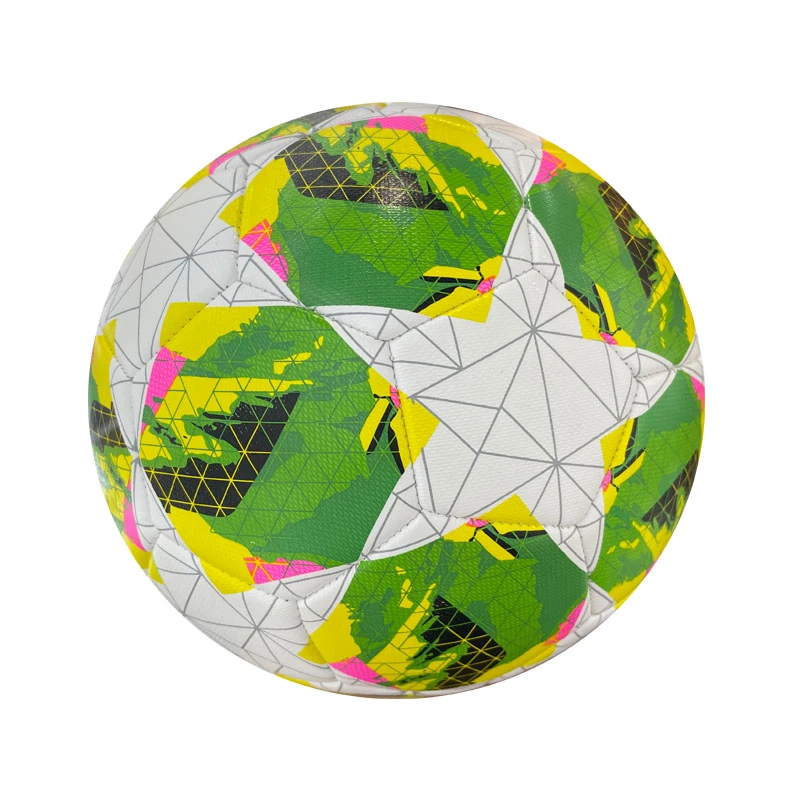
soccer ball of the world cup soccer ball for world cup 2018 soccer ball for 2018 world cup
The efficiency of our manufacturing process is a core advantage. For instance, "innovations in materials and construction enhance durability, flight stability, and performance tracking," as cited by industry reports. We are continuously upgrading our machinery and training our staff to incorporate these innovations, ensuring that our production methods remain at the forefront of the industry. This operational excellence is what enables us to deliver a reliable soccer ball for World Cup standard product, batch after batch.
Procurement Best Practices: Navigating the International Market
Sourcing a high-quality soccer ball for World Cup standard requires a strategic approach to procurement, especially in the international B2B arena. Beyond product specifications, several operational and commercial factors are crucial for a successful partnership.
1. Supplier Vetting: Don't just look at product samples. Investigate the manufacturer's:
- Experience and Track Record: How long have they been in business? Do they have experience exporting to your region? Companies established in 2014, like Hebei Starry Sports Goods Co, Ltd, with substantial export history since 2016, generally offer more stability and know-how.
- Certifications: Do they hold relevant international quality certifications (e.g., ISO 9001)? Can they provide balls that meet FIFA Quality Pro, FIFA Quality, or IMS (International Match Standard) certifications?
- Production Capacity: Can they meet your volume requirements within your desired lead times? Our capacity of over 5 million balls annually allows us to serve large orders.
- Communication and Responsiveness: How quickly and clearly do they respond to inquiries? Good communication is vital for managing international orders.
2. Sample Testing: Always request samples of the exact product you intend to order. Conduct thorough in-house testing, ideally simulating match conditions. Compare samples from multiple potential suppliers side-by-side.
3. Understanding Lead Times: Production, quality control, and shipping all contribute to lead time. A typical lead time for a significant order might range from 45 to 90 days after order confirmation and payment of deposit. Factor this into your inventory planning. For our factory, efficient logistics near Tianjin Port are a key advantage.
4. Quality Control (QC) Protocols: Clarify the manufacturer's QC process. Will they provide QC reports? Are third-party inspections an option? At Hebei Starry, rigorous internal QC is standard, and we welcome buyer audits.
5. Payment Terms and Contracts: Standard practice for international trade often involves a deposit (e.g., 30%) upon order confirmation and the balance paid before shipment or upon presentation of shipping documents. Ensure a clear contract outlines specifications, quantities, pricing, delivery terms (Incoterms), and dispute resolution mechanisms.
6. Packaging and Logistics: How will the balls be packaged for shipping? Are they shipped inflated or deflated? Deflated packaging saves significant shipping volume and cost. Understand container loading capacity (e.g., how many balls per 20ft or 40ft container). We optimize packaging for maximum efficiency. For example, a standard 40ft container can typically hold around 25,000 to 30,000 deflated balls, depending on the exact size and packaging dimensions.
7. Market Trends and Innovation: Stay informed about industry trends. As noted, "sensor-enabled balls" are emerging. While perhaps beyond the scope of a standard World Cup ball, understanding these future directions can inform your long-term sourcing strategy. The global soccer ball market shows a steady growth trend, indicating sustained demand for reliable suppliers.
By adopting these procurement best practices, you can mitigate risks, ensure you receive a product that meets your expectations, and build a reliable, long-term relationship with your supplier. We pride ourselves on transparency and collaboration, making the sourcing of a high-quality soccer ball for World Cup standard achievable and straightforward for our international partners.
Certifications and Compliance: The Seal of Quality
For any soccer ball for World Cup standard, certifications are not just badges; they are verifiable proof of quality, safety, and performance. For international buyers, understanding and demanding these certifications is a critical step in ensuring product integrity and market compliance.
The most recognized certifications in the soccer ball industry come from FIFA:
- FIFA Quality Pro: This is the highest standard. Balls bearing this mark have undergone the most rigorous testing and meet all the technical specifications for sphericity, weight, rebound, water absorption, and pressure loss under extreme conditions. These are the balls used in top professional matches.
- FIFA Quality: A slightly less stringent standard than 'Pro,' but still demands high performance and consistency. These balls are suitable for professional training and competitive matches at regional levels.
- IMS (International Match Standard): Developed by FIFA, this certification signifies that a ball meets the same technical criteria as a FIFA Quality ball but has been tested by an independent laboratory. It offers a reliable standard for many leagues and clubs.
Beyond FIFA certifications, manufacturers often adhere to broader quality and safety standards:
- ISO 9001: This international standard specifies requirements for a quality management system (QMS). Certification indicates that a company has established processes to ensure consistent product quality and customer satisfaction. Hebei Starry Sports Goods Co, Ltd is proud to be ISO 9001 certified (
 ), demonstrating our commitment to structured quality control.
 - REACH Compliance: For exports to the European Union, adherence to REACH (Registration, Evaluation, Authorisation and Restriction of Chemicals) regulations is essential. This ensures that the chemicals used in manufacturing do not pose undue risks to human health or the environment. We ensure our materials are REACH compliant.
- CPSIA (Consumer Product Safety Improvement Act) Compliance: For products sold in the United States, compliance with CPSIA standards is mandatory, particularly regarding lead and phthalate content in children's products, which can extend to youth-sized sports balls.
When you inquire about a soccer ball for World Cup level from Hebei Starry Sports Goods Co, Ltd, you can be assured that we can provide balls that meet or exceed these standards. We have experience producing balls that have achieved FIFA Quality Pro certification, and all our balls are manufactured under our ISO 9001 certified quality management system. We understand the importance of these marks for market access and consumer confidence. If specific certifications are required for your target market, please discuss them with our sales team; we are equipped to meet these demands.
Our Factory Advantage: Engineering Excellence at Scale
Choosing the right manufacturing partner is as critical as selecting the right ball. Hebei Starry Sports Goods Co, Ltd offers a robust combination of advanced facilities, skilled labor, and a commitment to quality that underpins our ability to deliver exceptional soccer ball for World Cup standard products.
State-of-the-Art Facilities: Our factory spans 67,000 square meters, housing dedicated production lines for various sports balls, including soccer balls. We utilize advanced machinery for automated panel cutting, precision thermal bonding, and multi-color printing. Our investment in technology ensures consistent quality and efficient production cycles.
Skilled Workforce: With over 316 experienced workers, our team possesses the craftsmanship and dedication required for sports equipment manufacturing. We provide continuous training to ensure our staff are proficient in the latest techniques and quality control standards.
OEM/ODM Capabilities: We are not just a manufacturer; we are a solutions provider. We offer both Original Equipment Manufacturer (OEM) and Original Design Manufacturer (ODM) services.
- OEM: Produce balls based on your specific designs, specifications, and branding requirements. This is ideal if you have a pre-existing product vision.
- ODM: Leverage our design expertise to develop unique ball concepts tailored to your market or brand. Our design team stays abreast of the latest trends in appearance and color matching, ensuring products that are both innovative and commercially appealing.
Commitment to Quality: Our ISO 9001 certification is a testament to our systematic approach to quality management. From raw material inspection to final product testing, every stage is meticulously monitored. We ensure that every ball, whether a high-end match ball or a durable training ball, meets stringent performance criteria.
Global Reach and Logistics: Established in November 2014, we have been actively engaged in the foreign trade market since 2016. Our strategic location near Tianjin Port, a major international shipping hub, grants us logistical advantages, enabling us to offer competitive shipping solutions and reliable delivery timelines to clients worldwide. With customer coverage in 80% of global regions and a total revenue exceeding 30 million in 2023, our track record speaks for itself.
When you partner with Hebei Starry Sports Goods Co, Ltd for your soccer ball for World Cup sourcing needs, you gain access to a manufacturing partner with the scale, expertise, and dedication to deliver excellence. We are confident in our ability to meet your specifications, exceed your expectations, and contribute to your business success.
What Our Clients Say

Procurement Manager, LATAM Sports Distributors
"We needed a consistent supply of Size 5 training balls that felt like match balls without the premium price tag. Starry Sports delivered exactly that. Their communication was excellent throughout the ordering process, and the balls have held up exceptionally well in our humid climate. Lead times were met, which is crucial for our inventory management."

Owner, Premier Soccer Retail
"The quality of the thermally bonded balls we sourced from Starry Sports is outstanding. They meet the performance standards our discerning customers expect. We were particularly impressed with their OEM capabilities, allowing us to brand the balls uniquely for our store. Definitely a reliable partner for B2B sourcing."

Purchasing Director, European Sports League
"We were looking for a supplier capable of providing FIFA Quality certified balls for our league finals. Starry Sports provided detailed documentation and samples that passed all our internal tests. Their production capacity and adherence to timelines made this a smooth procurement process for a high-stakes order."
Frequently Asked Questions
Q: What is the difference between FIFA Quality Pro, FIFA Quality, and IMS certified balls?
A: FIFA Quality Pro is the highest standard, required for top-tier professional matches. FIFA Quality is for high-level training and competitive matches. IMS (International Match Standard) is an independent lab-tested standard equivalent to FIFA Quality.
Q: Can Hebei Starry Sports produce custom-branded soccer balls?
A: Yes, absolutely. We offer comprehensive OEM/ODM services. You can provide your own artwork and specifications, or we can assist with design and development to create a unique ball for your brand.
Q: What is the typical lead time for a large order of soccer balls?
A: For significant international orders, the lead time typically ranges from 45 to 90 days from order confirmation and deposit receipt. This includes production, quality control, and preparation for shipment. We strive for efficiency, especially with our proximity to Tianjin Port.
Q: How are the soccer balls packaged for international shipping?
A: We typically ship balls deflated in sturdy export cartons to optimize container space and reduce shipping costs. We can also accommodate requests for inflated balls or specific packaging requirements upon discussion.
Q: Do you offer samples before placing a bulk order?
A: Yes, we highly recommend ordering samples to evaluate quality and specifications firsthand. Samples can be arranged, often with associated costs for the product and shipping, which can sometimes be credited towards a future bulk order.
Ready to Elevate Your Soccer Ball Supply?
Partner with Hebei Starry Sports Goods Co, Ltd for reliable, high-performance soccer balls that meet international standards. Whether you need official match balls, quality training balls, or custom-designed products, our expertise and manufacturing capabilities are at your service.
Contact us directly: +86 15713370191 | starry005@ballschina.com