Mar . 27, 2026 16:59
Soccer remains the world’s most popular sport, and its equipment market continues to expand steadily into 2026. But one question persists among manufacturers, distributors, and grassroots buyers: are rubber soccer balls still relevant today, or have they been replaced entirely by newer materials?
The short answer: rubber soccer balls still exist—but their role has significantly shifted. They are no longer dominant, yet they remain important in specific segments such as entry-level, street play, and institutional purchasing.
1. The Evolution of Soccer Ball Materials
Historically, soccer balls have undergone three major material transitions:
- Leather (pre-1990s) – traditional, but heavy and water-absorbing
- Rubber (mid-20th century to early 2000s) – durable and affordable
- Synthetic (modern era) – performance-driven and dominant
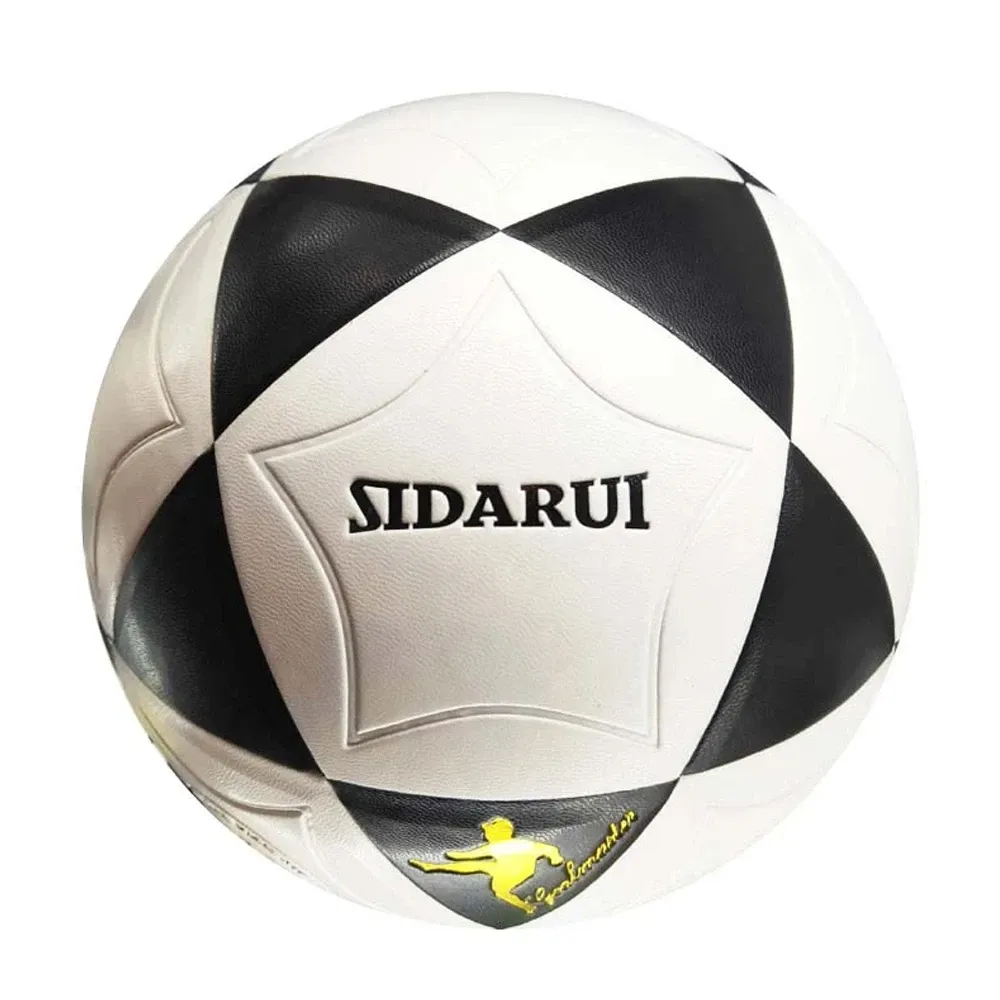
Today, the industry is overwhelmingly led by synthetic materials (Synthetic Leather Soccer Ball)such as PU (polyurethane soccer ball) and PVC soccer ball, which offer superior durability, water resistance, and flight consistency.
In fact, synthetic/composite balls now represent the largest share of global production, driven by both professional requirements and consumer expectations.
2. Market Data: Where Rubber Balls Stand in 2026
The global soccer ball market is growing steadily:
- Estimated at $3.3 billion in 2026, with strong long-term expansion
- Driven by youth participation, school programs, and recreational play
- Increasing demand for customized, eco-friendly, and smart balls
However, within this growth:
- Synthetic leather dominates consumer preference (over 30%+ in key markets like the U.S.)
- Rubber is now considered a low-cost, niche material rather than a mainstream choice
This indicates a clear structural shift:
👉 Growth is happening—but not in the rubber segment
3. Why Rubber Soccer Balls Declined
Several technical and market factors explain the decline of rubber balls:
3.1 Performance Limitations
Rubber balls typically:
- Offer less consistent flight
- Have poorer touch and control
- Lack professional-grade responsiveness
Compared to PU balls, they fall short in competitive environments.
3.2 Perception Shift
Modern players associate quality with:
- FIFA-certified match balls
- Branded products (e.g., Adidas, Nike)
- Advanced panel construction
Rubber balls are often perceived as “cheap” or recreational-only
3.3 Innovation Gap
The industry is moving toward:
- Smart soccer balls with sensors
- Eco-friendly materials (27% of new launches)
- Surface-textured designs for aerodynamics
Rubber has not kept pace with these innovations.
4. Where Rubber Soccer Balls Still Thrive
Despite declining dominance, rubber soccer balls still maintain strong relevance in specific use cases:
4.1 Entry-Level & Youth Markets
- Schools and beginner players prioritize cost over performance
- Rubber balls are:
- Affordable
- Durable for rough use
- Easy to maintain
This aligns with the fact that youth participation is a major growth driver globally
4.2 Street & Outdoor Play
Rubber balls are ideal for:
- Concrete surfaces
- Asphalt streets
- Informal environments
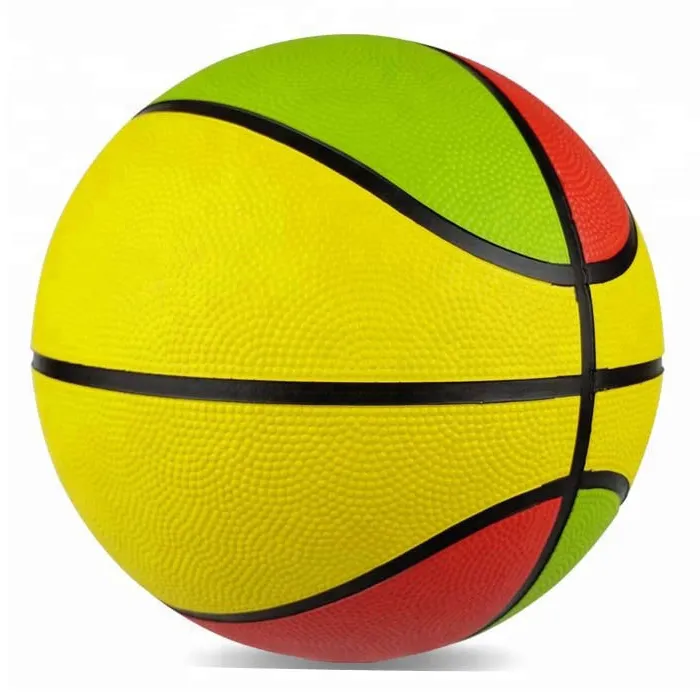
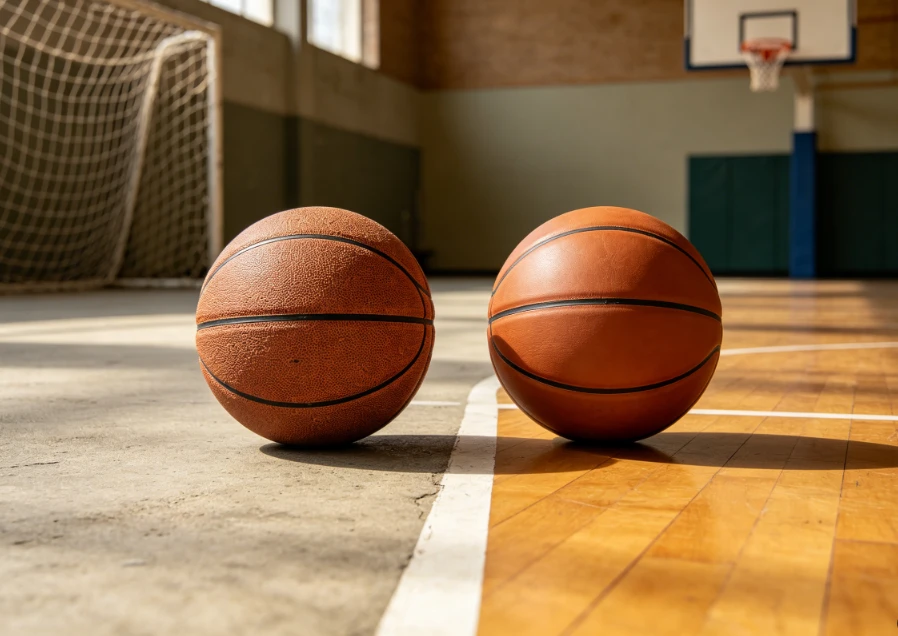
Their durability makes them comparable to rubber basketballs, where over 50% of outdoor players prefer rubber for toughness
4.3 Institutional Bulk Purchases
Organizations such as:
- Schools
- Training academies
- NGOs
Often choose rubber balls because:
- Lower unit cost
- High durability
- Suitable for large-scale distribution
4.4 Emerging Markets
In developing regions:
- Price sensitivity is high
- Access to premium products is limited
Rubber balls remain a practical and scalable solution
5. Trends Shaping the Future (2026–2030)
5.1 Synthetic Materials Will Continue to Dominate
The shift toward PU/PVC is irreversible due to:
- Performance requirements
- Brand influence
- Professional standards
5.2 Segmentation Is Increasing
The market is becoming more specialized:
| Segment | Preferred Material |
|---|---|
| Professional matches | PU / hybrid |
| Training academies | Synthetic leather |
| Recreational play | PVC / rubber |
| Street soccer | Rubber |
5.3 Sustainability May Revive Rubber (Partially)
Interestingly, rubber could regain some relevance if:
- Recycled rubber materials are adopted
- Eco-friendly positioning becomes stronger
However, this would require innovation—not traditional rubber designs
5.4 Smart Soccer Balls Are Emerging
Around 16% of youth academies are already adopting smart balls
This further pushes rubber out of high-performance segments.
6. Competitive Landscape Impact
The soccer ball industry is highly concentrated:
- Dominated by global brands like Adidas and Nike
- Strong influence from major tournaments and sponsorships
- High entry barriers for low-end products
This environment favors:
- High-performance innovation
- Brand-driven purchasing
Not basic rubber products.
7. Final Verdict: Are Rubber Soccer Balls Still Popular?
Yes—but only in specific niches.
Still popular in:
- Schools and youth training
- Street and recreational play
- Budget-conscious markets
No longer popular in:
- Professional matches
- Competitive training
- Premium consumer segments
8. Strategic Insight for Manufacturers & Sellers
If you're in the soccer ball business (especially B2B or SEO-driven sales), the positioning should be:
✅ Use rubber balls for:
- “Affordable training soccer balls”
- “Durable outdoor soccer balls”
- “Bulk school supply solutions”
❌ Avoid positioning rubber as:
- Professional-grade
- High-performance
- Premium
Conclusion
Rubber soccer balls have not disappeared—but they have been repositioned.
In 2026, they are no longer the mainstream choice, yet they remain essential in the foundation of the soccer ecosystem—supporting beginners, casual players, and large-scale programs.
The real trend is not disappearance, but specialization.