Oct . 15, 2026 09:35
Beach volleyball combines athletic performance, teamwork, and outdoor recreation in a sport enjoyed on beaches, at resorts, in schools, and at professional sporting events. Whether players are preparing for competitive matches or enjoying a casual game by the sea, choosing suitable equipment helps create a better playing experience. Different players may have different preferences for ball feel, size, weight, and handling, making product selection an important consideration for sports retailers, clubs, and equipment distributors.
From adult training sessions to youth sports programs, beach volleyball products serve a wide range of users. Understanding the needs of men, women, and junior players can help buyers select appropriate equipment for their target markets. For businesses developing a volleyball product range, offering options for different age groups and playing environments can also create more opportunities to serve customers effectively.

How Beach Volleyball Men's Equipment Supports Competitive Performance
When selecting beach volleyball men's equipment, buyers should consider the demands of adult training, recreational matches, and organized competition. Beach volleyball requires players to move across unstable sand, react quickly, and control the ball under changing outdoor conditions. Suitable equipment should therefore provide a comfortable feel, dependable construction, and visibility in bright sunlight.
For adult male players, the ball's surface texture and handling characteristics can influence serving, setting, and attacking. A surface that provides a secure feel helps players maintain control during repeated contact, while appropriate construction supports consistent use during practice and matches. Buyers should evaluate the product specifications rather than assuming that equipment marketed toward men must use a unique design. In many cases, the playing level and applicable competition rules are more important than gender alone.
Outdoor conditions also deserve attention. Sand, moisture, heat, and frequent contact can place additional demands on sports equipment. Buyers should check whether a volleyball is designed specifically for beach use and review the manufacturer's care recommendations. Proper inflation and storage can help maintain the ball's condition over time.
Sports clubs and training centers may need multiple volleyballs for drills, team exercises, and recreational sessions. In these situations, durability and consistency become important purchasing factors. Retailers, meanwhile, may prefer to stock products with different materials, colors, and price points to accommodate beginners and experienced players.
Branding can provide additional value for clubs, tournaments, and sports businesses. Customized beach volleyballs featuring team logos or event graphics can help create a coordinated appearance and support promotional activities. Before ordering, buyers should confirm printing compatibility, minimum order quantities, and the durability of the decoration.
By evaluating the playing environment, construction, and intended level of use, buyers can select beach volleyball equipment that meets adult players' practical needs without compromising on comfort or usability.
What to Consider When Choosing Beach Volleyball Ladies Products
The market for beach volleyball ladies products includes recreational players, competitive athletes, school sports programs, and customers seeking equipment for group activities. Although product selection should be based on playing requirements rather than gender stereotypes, retailers can benefit from offering varied designs, sizes, and specifications that suit different preferences.
Comfort and handling are important considerations for players at every skill level. A volleyball should feel manageable during passing, setting, and serving, with a surface suitable for repeated contact. Buyers should review the ball's circumference, weight, material, and recommended application to determine whether it meets the requirements of their intended users.
For organized competition, applicable rules should guide the selection of the ball. Adult beach volleyball generally uses standardized equipment specifications, so buyers should verify the relevant requirements when sourcing products for official matches. For casual beach games, recreational use, or promotional activities, appearance and affordability may also influence the decision.
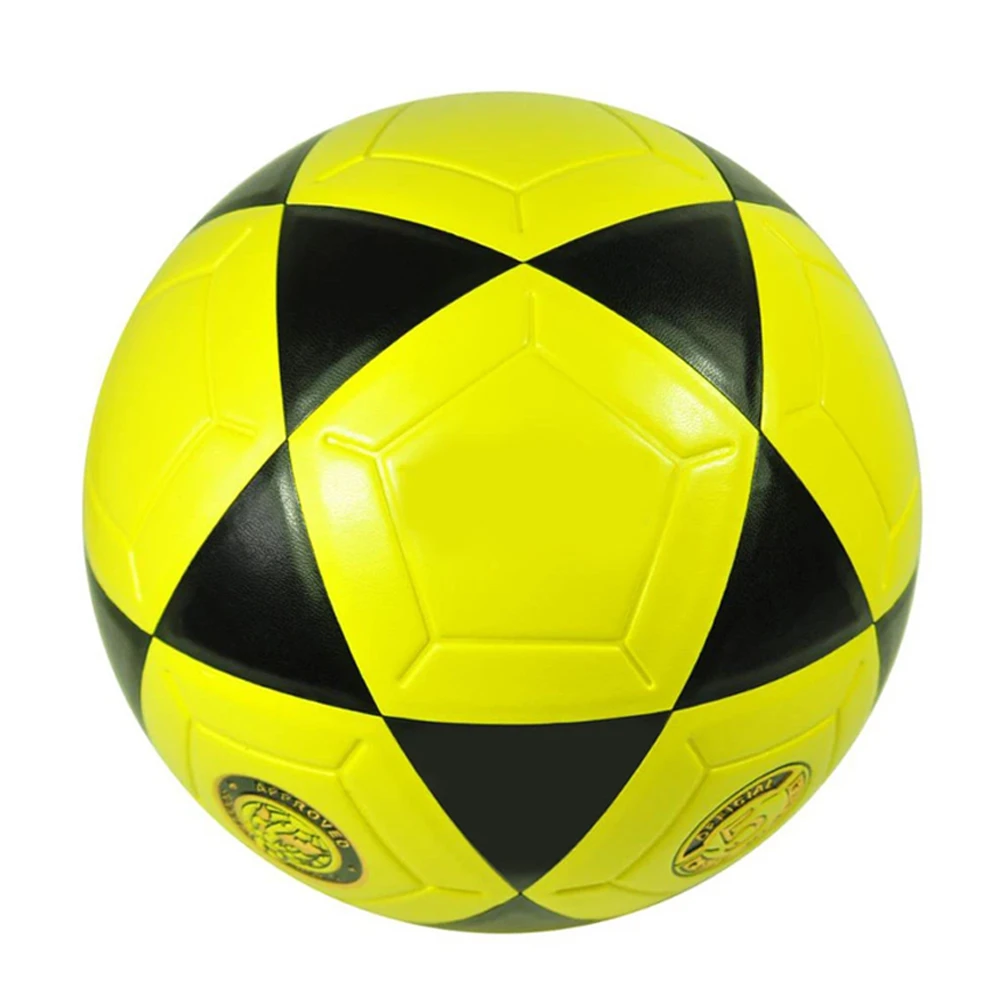
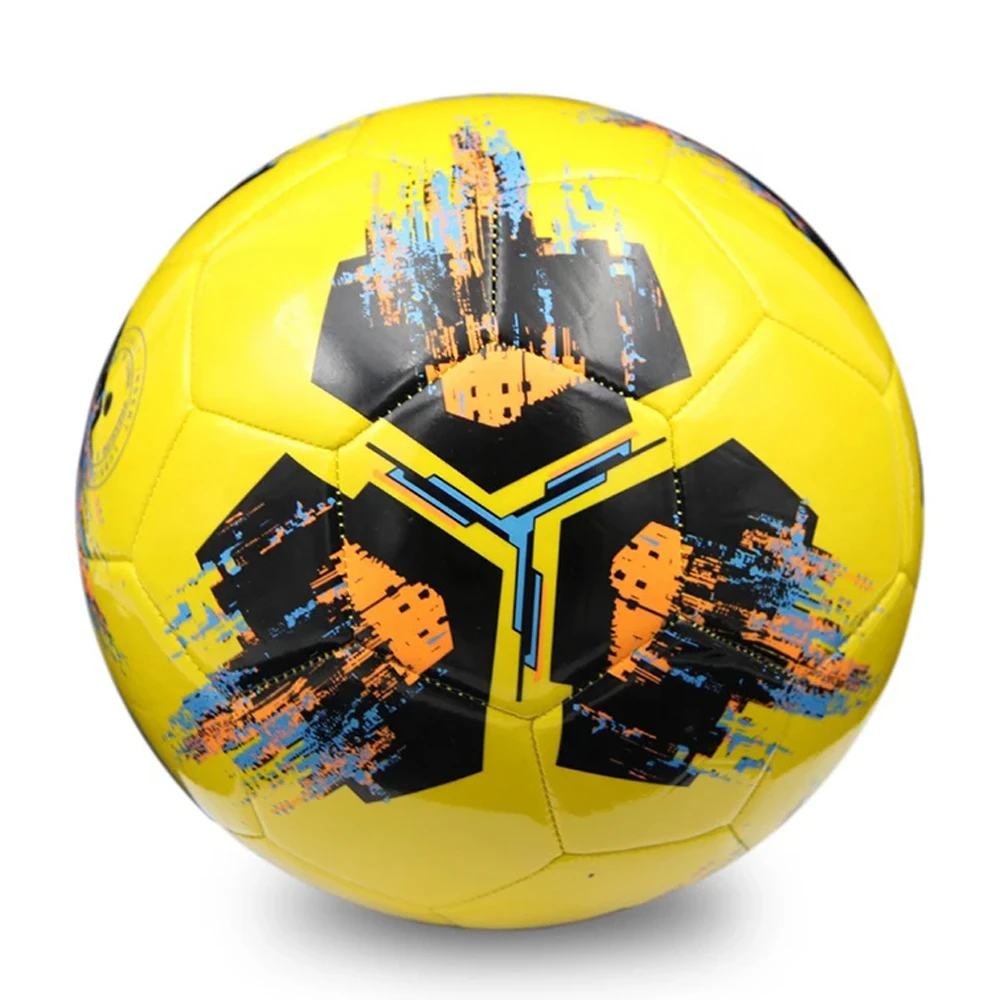
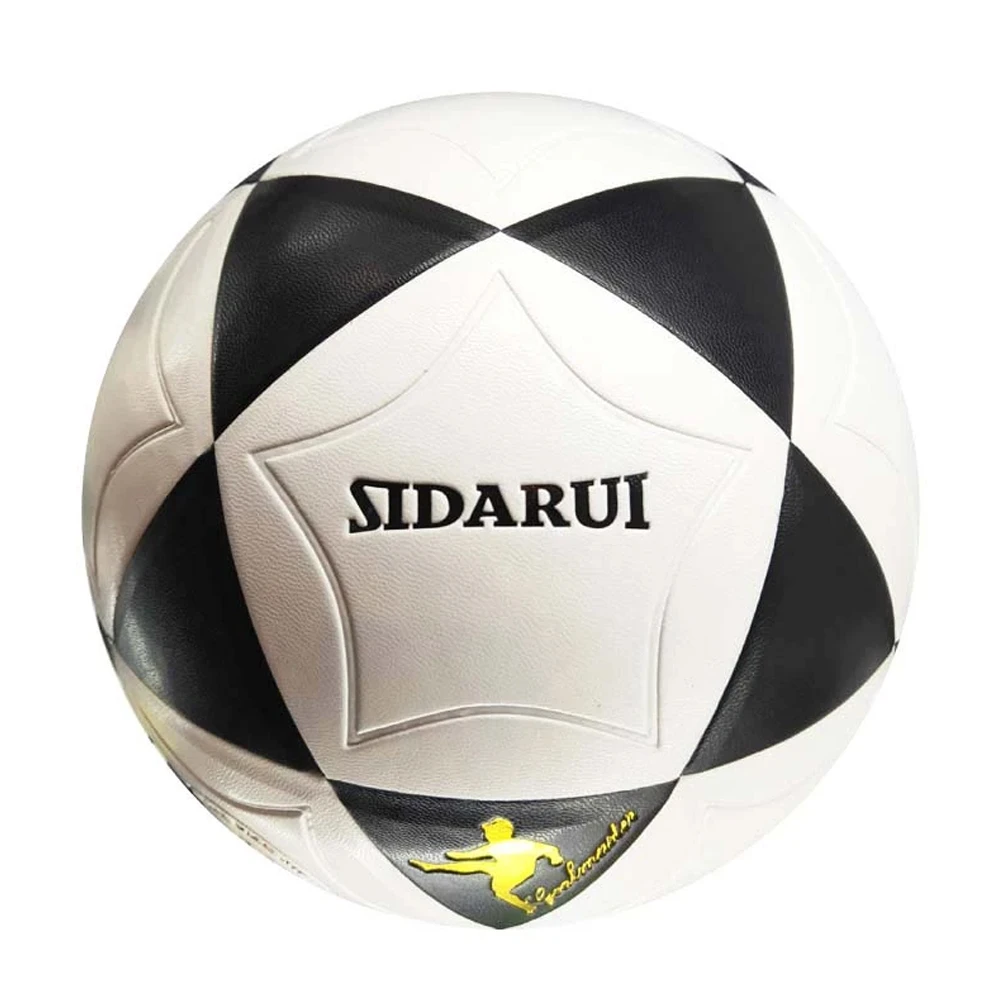
Design is another factor that can distinguish products in the retail market. Bright colors and contrasting panels can make a volleyball easier to identify visually against sand and outdoor backgrounds, depending on the conditions. Some buyers may also prefer coordinated colors for team merchandise, sports camps, or beach-themed events. Customized graphics can provide further opportunities for clubs and brands to develop recognizable products.
For businesses purchasing in bulk, product consistency is essential. Ask suppliers about material options, production quality checks, packaging, and sample availability. If the volleyballs will carry a company logo or event name, confirm the artwork dimensions and final design before production begins.
Beach volleyball is accessible to a broad range of participants, and equipment should support their actual playing needs. By focusing on appropriate specifications, comfortable handling, and reliable construction, buyers can build a product selection that serves female athletes and recreational players effectively.
Why Beach Volleyball Juniors Products Matter for Youth Development
Beach volleyball juniors equipment is designed to support younger players as they develop fundamental skills and confidence. Youth beach volleyball programs may operate through schools, sports clubs, summer camps, community organizations, and family recreation activities. Choosing age-appropriate equipment can help make learning more enjoyable while encouraging regular participation.
Young players are still developing coordination, timing, serving techniques, and ball control. Depending on their age and skill level, a lighter or softer training ball may be easier to handle than a standard adult competition ball. However, the correct specification should be determined by the program's requirements and the manufacturer's recommendations rather than age alone.
The playing environment is equally important. Beach training introduces movement on sand, which challenges balance and footwork differently from indoor volleyball. Youth programs can use modified drills to help participants become comfortable with the surface while practicing passing, setting, communication, and teamwork.
Durability matters when equipment is shared by a large group. Schools and camps should look for products with suitable outer materials, dependable seams or panel bonding, and clear maintenance instructions. Regular checks for damage and correct inflation can help keep equipment ready for training sessions.
Visual design may also encourage participation. Colorful volleyballs can make youth equipment appealing, while personalized designs may be suitable for camp gifts, school tournaments, or junior team merchandise. For larger programs, purchasing several balls in consistent specifications can simplify equipment management and provide a more uniform training experience.
Retailers and distributors serving youth sports organizations can consider offering different product grades for beginners, recreational players, and more experienced juniors. Clear descriptions of intended use help parents, coaches, and program managers choose suitable options.
Investing in appropriate junior equipment supports skill development and helps create a positive introduction to the sport. With the right balance of comfort, durability, and age-appropriate design, beach volleyball can become an engaging activity for young players.
Building a Beach Volleyball Range for Different Customers
A well-planned beach volleyball product range should reflect the needs of adult players, female athletes, junior programs, and recreational users. Buyers should compare intended applications, material quality, ball specifications, customization possibilities, and overall cost before placing an order.
Sports retailers may benefit from stocking several designs and price levels, while clubs and event organizers may prioritize bulk availability and consistent specifications. For private-label businesses, working with an experienced supplier can also make it easier to coordinate colors, branding, packaging, and production schedules.
Ultimately, the best purchasing decision depends on how the volleyballs will be used. Matching the product to the players, environment, and performance expectations helps buyers provide suitable equipment for a wide range of beach volleyball activities.