Oct . 15, 2026 09:36
Football is enjoyed by players of all ages, from children learning their first ball skills to experienced athletes practicing technical movements. Selecting the right ball can make a meaningful difference in comfort, control, and the overall playing experience. Size, surface material, color, and playing environment all influence how a football performs during training and recreational activities.
For sports retailers, clubs, schools, and equipment distributors, offering a diverse selection of footballs can help meet the needs of different customer groups. Bright designs attract younger players, smaller sizes support age-appropriate practice, and specialized indoor models suit controlled environments such as sports halls and futsal courts. Understanding these differences makes it easier to choose products that combine visual appeal, practical performance, and commercial value.

How a Colorful Football Makes Training More Engaging
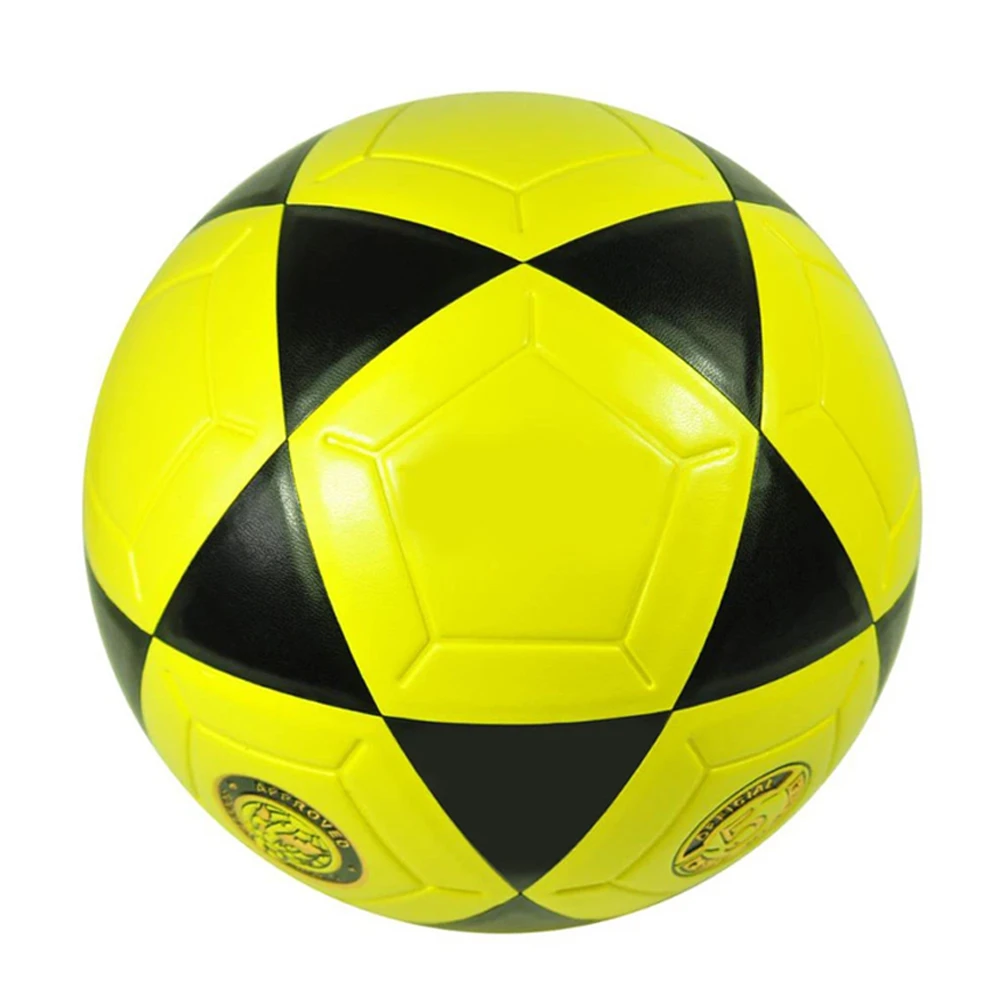
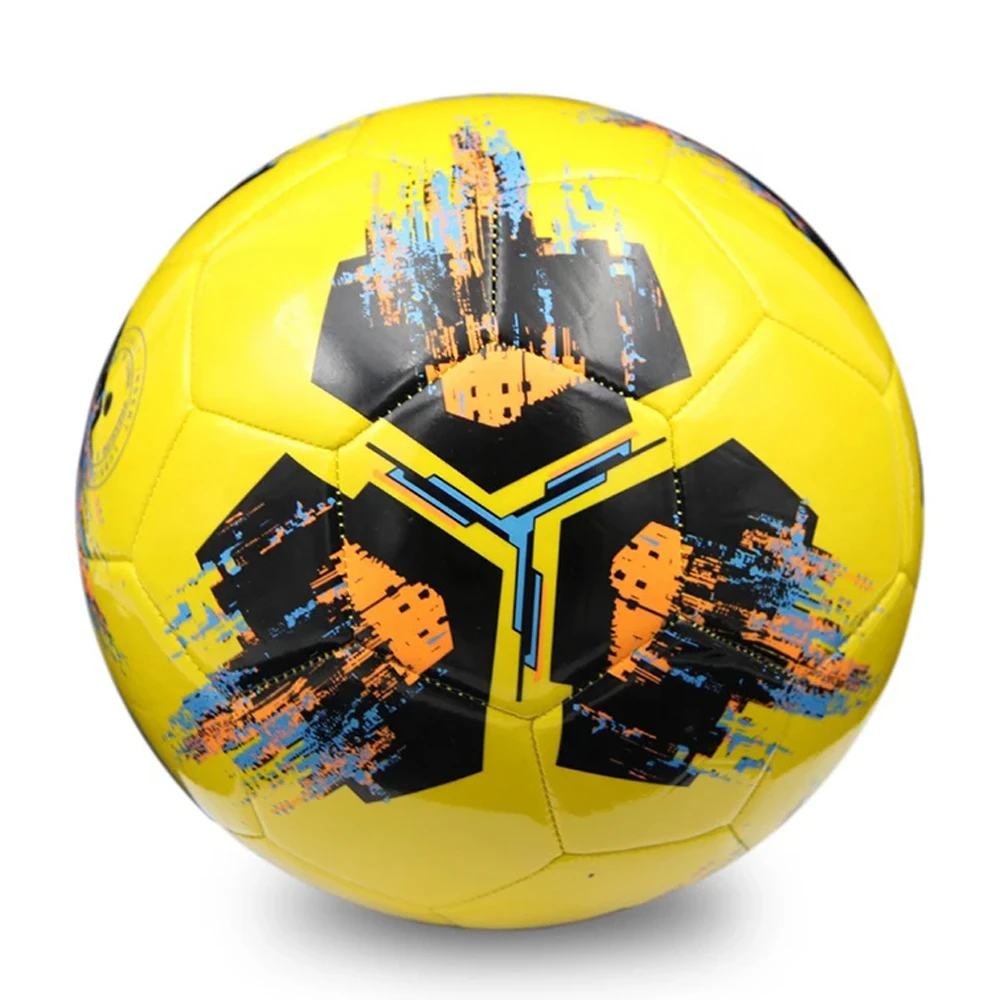
A colorful football can bring energy and visual variety to football training, school sports programs, and recreational games. While traditional black-and-white designs remain popular, modern footballs are available in combinations of blue, red, yellow, green, orange, and other vivid colors. These designs appeal to children, teenagers, casual players, and consumers looking for distinctive sports accessories.
Visibility is one of the most practical advantages of colorful designs. A ball with strong color contrast may be easier to follow against certain backgrounds, particularly during outdoor practice or group activities. For young beginners, bright colors can also make equipment more appealing and help coaches organize drills by assigning different ball colors to separate teams or training stations.
For sports brands and retailers, color provides an opportunity to develop differentiated product collections. Classic panel patterns may appeal to traditional customers, while gradient finishes, geometric graphics, and modern printed designs can attract younger audiences. Businesses can also coordinate football colors with team uniforms, club identities, school colors, or promotional campaign themes.
Material and surface construction remain important regardless of appearance. PVC footballs are often considered for economical recreational products, while PU covers may be selected for a softer surface feel, depending on the specific construction. The quality of the outer layer, backing material, panel bonding or stitching, and bladder can all influence durability and playing characteristics.
When choosing colorful footballs, buyers should examine how well the printed graphics match the approved design and whether the surface finish remains consistent across production batches. Colorfastness, abrasion resistance, and printing quality are especially relevant for products expected to receive frequent use.
For wholesalers and sporting goods distributors, offering several color options can help serve different markets without changing the entire product specification. A well-planned range can combine eye-catching appearance with appropriate materials and reliable construction, making colorful footballs suitable for both everyday recreation and organized training.
What to Know When Looking for Size 4 Footballs for Sale
When searching for size 4 footballs for sale, buyers should first consider the intended age group and type of activity. Size 4 footballs are commonly associated with youth training and junior football programs. They are smaller than standard size 5 balls, making them a useful option for developing ball control, passing accuracy, dribbling, and shooting techniques.
Youth coaches often use size 4 footballs to help players become familiar with fundamental skills. The ball's smaller circumference can make it easier for many young players to handle during practice, although the ideal choice depends on the player's age, ability, and the rules of the relevant league. Buyers should check local competition requirements before purchasing balls for organized matches.
Product construction is another factor to evaluate. Machine-stitched footballs can provide a practical balance of cost and durability for everyday training, while other stitched or bonded constructions may offer different surface characteristics and appearance. No single construction method is automatically best for every application, so buyers should compare specifications and test samples where possible.
The cover material also affects the purchasing decision. PVC is often used in entry-level and recreational footballs, while PU may be suitable for buyers seeking particular touch and surface properties. The bladder influences air retention and rebound, so suppliers should provide clear information about the materials and construction used in each model.
For retailers, the product range should reflect the expectations of local customers. Youth academies may need durable training balls in multiple colors, whereas sporting goods stores may prioritize attractive designs, retail packaging, and consistent stock availability. Schools and community organizations may focus more heavily on budget, order quantity, and suitability for repeated practice.
When comparing quotations, buyers should review more than the unit price. Confirm ball size, weight specifications, material, construction, inflation requirements, packaging, minimum order quantity, and delivery time. It is also helpful to ask whether logo printing or customized color combinations are available.
Before placing a large order, inspect samples for roundness, surface quality, valve performance, and consistency with the agreed specifications. These checks can help reduce purchasing risks and ensure that the footballs are appropriate for their intended users.
Why an Indoor Soccer Ball Size 4 Can Suit Controlled Playing Environments
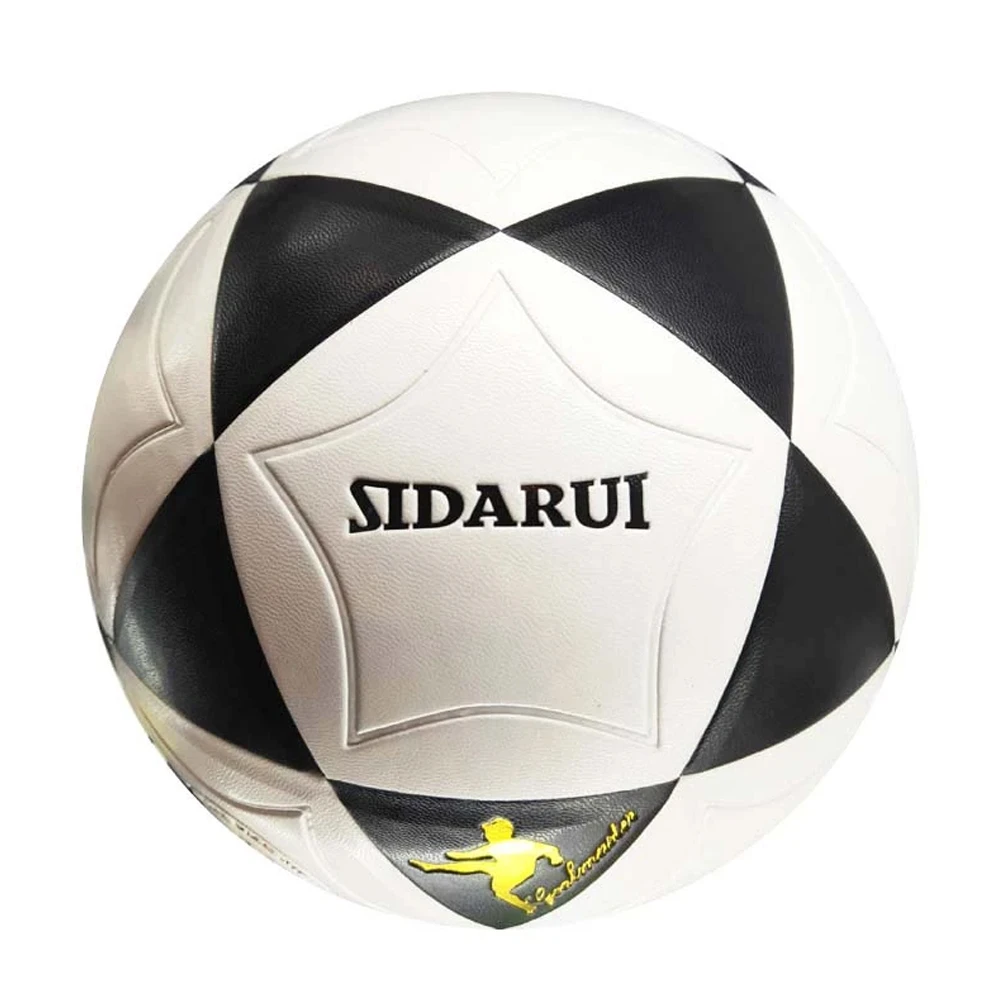
An indoor soccer ball size 4 may be a suitable option for youth practice and certain indoor football activities, but buyers should distinguish between a regular size 4 football and a ball specifically designed for indoor soccer or futsal.
Indoor sports often take place on hard, smooth surfaces where ball movement and rebound characteristics differ from those on grass. Depending on the product, an indoor ball may use a specialized construction intended to provide a more controlled bounce and predictable response. Some futsal balls incorporate reduced-rebound designs, helping players maintain closer control in confined spaces.
Size alone does not determine whether a ball is suitable for a particular indoor sport. Standard size 4 footballs and official futsal balls can have different specifications, including weight, circumference, and rebound behavior. Buyers should therefore check the applicable rules and product details before selecting equipment for a school gym, training center, or futsal competition.
For indoor youth training, ball control is especially important. Coaches may use smaller-sided games, short passing drills, first-touch exercises, and close-control activities to develop technical skills. A ball with appropriate rebound characteristics can support these exercises by encouraging players to keep possession and react quickly in limited space.
The surface material should also match the playing environment. A durable cover can help withstand repeated contact with indoor flooring, while a suitable bladder can contribute to consistent inflation. Buyers should confirm the manufacturer's recommended usage conditions rather than assuming that every football is appropriate for every surface.
Schools, sports clubs, and facility operators may benefit from purchasing several balls with consistent specifications. Matching equipment makes training sessions easier to organize and helps coaches maintain a uniform experience across drills. Different colors can further support team identification and activity planning.
For distributors, indoor football products create an opportunity to serve customers who need equipment beyond conventional outdoor training balls. A clear product description should explain whether the model is intended for general indoor recreation, youth practice, or futsal use. This distinction helps customers choose suitable equipment and reduces confusion when comparing products online.
How Buyers Can Select Footballs for Long-Term Value
Choosing the right football begins with defining the primary application. Youth development programs may prioritize size, handling, and durability, while retailers may focus on design variety and consumer demand. Indoor facilities need products suited to their playing surfaces, and distributors often require consistent specifications across larger orders.
Before purchasing, prepare a checklist covering size, material, construction, color, intended environment, quantity, and budget. If customization is required, confirm the available printing area, artwork format, and production lead time. Requesting a sample is a useful way to evaluate the ball's finish, feel, inflation performance, and overall quality.
Suppliers should also provide clear information about quality inspection, packaging, shipping, and repeat-order arrangements. For bulk purchasing, these details can be as important as the initial quotation because inconsistent products or delayed deliveries may affect training schedules and retail operations.
A carefully selected football range can support youth coaching, indoor recreation, school sports, and sporting goods sales. By comparing product specifications and matching each model to its intended use, buyers can provide equipment that delivers appropriate performance, appealing designs, and dependable value for their customers.