Mar . 11, 2026 11:20
Basketball is one of the most popular sports in the world, played in schools, parks, gyms, and professional arenas. Whether you are practicing shooting drills, playing competitive games, or installing new basketballhoops in your backyard, choosing the right basketball ball is essential. Today, buyers can easily find a basketball ball for sale from many sources, including professional basketball ball supplier companies that offer a wide range of options for different playing environments and skill levels.
From a standard ball basketball used in official competitions to a mini basket ball designed for kids or indoor training, there are many choices available. Understanding the differences between ball sizes, materials, and uses will help players select the perfect basket balls for their needs.
Understanding Basketball Ball Sizes and Official Standards
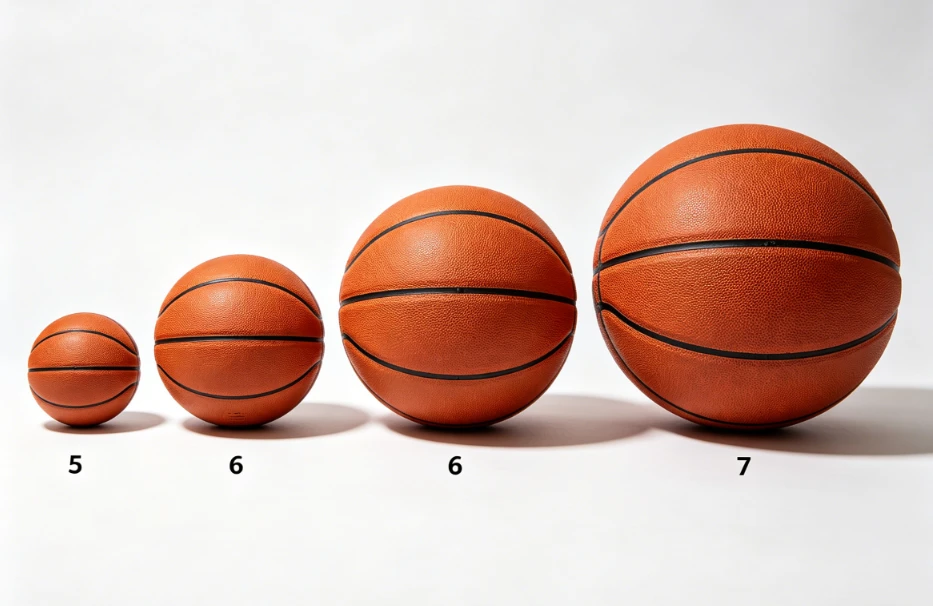
One of the most important factors when selecting a basketball ball is its size. Different age groups and competitions require specific ball dimensions, and knowing the official size of a basketball can help players choose correctly.
The most widely used ball in professional men’s basketball is the Size 7 ball, often referred to as the standard ball basketball. This ball typically has a circumference of about 29.5 inches. Many sports equipment suppliers offer basketball ball for sale in this size because it is used in most adult leagues and competitive games.
For women’s basketball and youth leagues, a slightly smaller ball is used. Size 6 balls measure around 28.5 inches in circumference and are easier to control for players with smaller hands. These balls are commonly supplied by professional basketball ball supplier companies that provide equipment to schools and training centers.
Younger players often begin with a mini basketball ball or mini basket ball, which is designed to help them develop fundamental skills such as dribbling, passing, and shooting. These smaller balls are lighter and easier to grip, making them ideal for beginners. They are also often used with a mini hoop ball setup for indoor play.
Another important detail players often ask is: the size of the ball in basketball is determined by both circumference and weight. Standard competition balls typically weigh between 20 and 22 ounces. High-quality manufacturers carefully balance weight and grip to ensure smooth control during play.
In addition to the ball itself, the equipment around the court also matters. A proper basketballring and backboard are necessary for accurate shooting practice. When purchasing new basketballhoops, players should ensure that the hoop height and rim size meet official regulations so that practice conditions match real game situations.
Types of Basketballs and How to Choose the Right One
When looking for a basketball ball for sale, buyers will notice that there are many different styles and materials available. Understanding these basketball ball types helps players choose the right product for their playing environment.
Indoor Basketballs
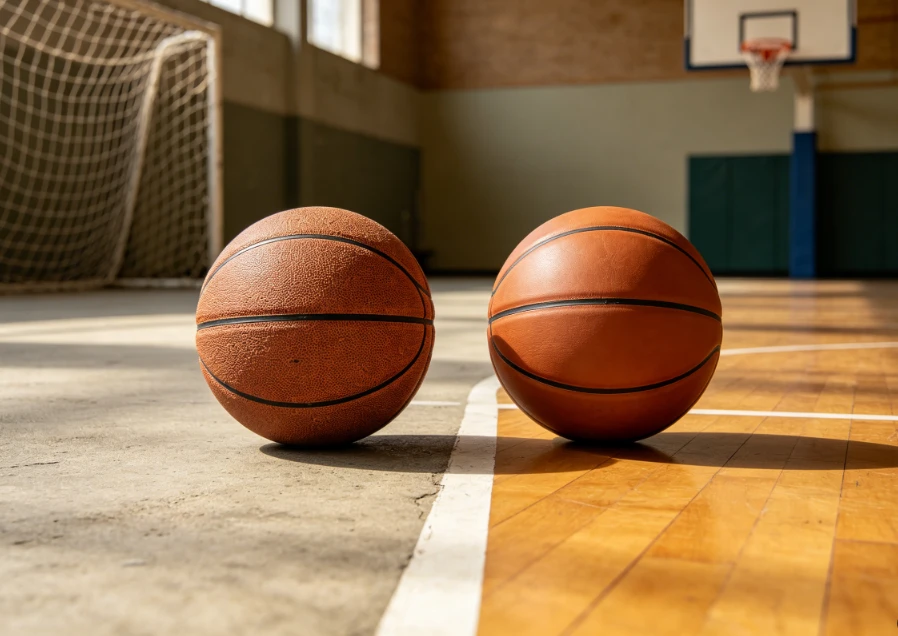
Indoor basketballs are usually made from composite leather or genuine leather materials. These balls provide excellent grip and soft touch, making them ideal for hardwood courts. A high-quality baseketball ball designed for indoor use typically offers better bounce control and durability in controlled environments.
Professional players often prefer these balls because they allow smoother dribbling and accurate passing during fast-paced games.
Outdoor Basketballs
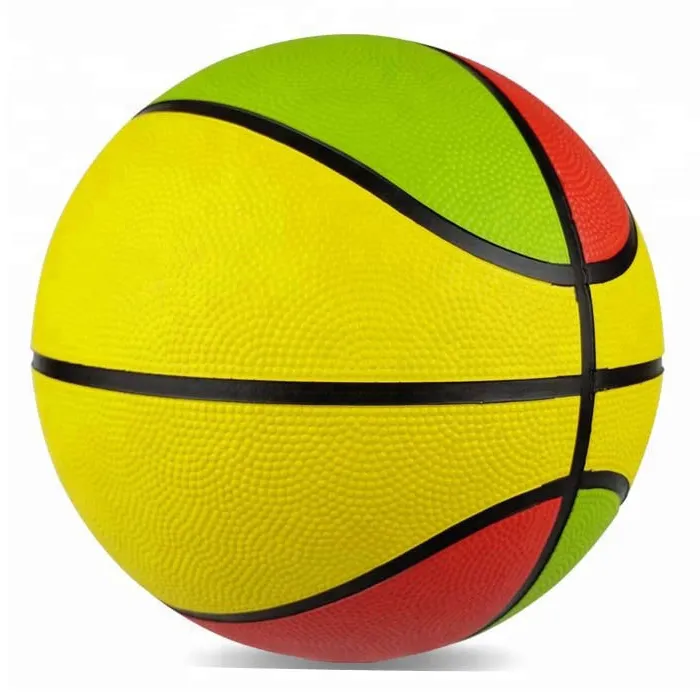
Outdoor courts require stronger materials because the surface is rougher. Rubber basketballs are commonly used for street courts, playgrounds, and community parks. Many basketball ball supplier companies manufacture outdoor balls designed to resist abrasion and maintain air pressure for long periods.
These durable basket balls are ideal for players who enjoy casual games with friends or regular training sessions in public courts.
Training and Specialty Basketballs
There are also specialized balls designed for skill development. A mini basketball ball or mini basket ball is perfect for children learning the game. These balls are often paired with a mini hoop ball system for home practice.
Another popular training concept is the “ball up basketball” approach, which focuses on developing ball-handling skills through repetitive drills. Using different sizes of ball basketball during practice can help improve coordination and control.
Some training programs even use lightweight practice balls or weighted basketballs to strengthen players’ hands and improve dribbling precision.
Recreational and Promotional Basketballs
Besides professional equipment, many companies produce custom-designed basket balls for promotional use or recreational play. These balls may feature unique colors, logos, or branding elements and are often purchased by schools, sports clubs, or event organizers.
Because of this demand, many global manufacturers specialize in producing basketball equipment at scale. A reliable basketball ball supplier usually offers customization options, allowing buyers to add logos or choose specific color patterns.
Factors That Affect Basketball Ball Price
When purchasing a basketball ball for sale, buyers often compare products based on performance and cost. The ball basketball price can vary significantly depending on several factors.
Material is one of the main influences on price. Genuine leather basketballs are typically more expensive than rubber balls because they provide superior grip and feel. Composite leather balls fall somewhere in the middle, offering durability with a professional touch.
Brand and manufacturing quality also play a role. A reputable basketball ball supplier invests in quality control, advanced production technology, and durable materials, which may increase the final price but ensure better long-term performance.
Another factor is size and purpose. Smaller balls like mini basket ball models are usually less expensive, while official competition balls with precise weight standards may cost more.
Additionally, the purchase of other equipment such as basketballhoops, backboards, and basketballring systems can influence the overall investment for players setting up a home court.
Choosing the right basketball ball is essential for improving performance and enjoying the game. Whether you are looking for a professional ball basketball for competitive play, a durable outdoor ball for street games, or a mini basketball ball for beginner training, there are many options available on the market.
Understanding the official size of a basketball, the differences between indoor and outdoor balls, and the factors affecting ball basketball price can help buyers make informed decisions. By purchasing from a reliable basketball ball supplier, players can ensure they receive high-quality basket balls designed for durability, performance, and comfort.
With the right equipment—including a proper basketballring and sturdy basketballhoops—any player can create the perfect environment to basketball practice, compete, and enjoy the sport.
FAQ: Basketball Ball Supplier and Equipment Guide
1. Where can I find a reliable basketball ball for sale?
Many sports equipment stores and online platforms offer basketball ball for sale. It is recommended to purchase from a professional basketball ball supplier or manufacturer to ensure product quality and durability.
2. What is the official size of a basketball used in competitions?
The official size of a basketball used in most men’s professional competitions is Size 7, which has a circumference of about 29.5 inches and weighs around 22 ounces.
3. What is the size of the ball in basketball for youth players?
The size of the ball in basketball is smaller for younger players. Youth leagues often use Size 5 or Size 6 balls, while beginners may start with a mini basketball ball or mini basket ball for easier handling.
4. What equipment is needed besides a basketball ball?
Besides a basketball ball, players usually need basketballhoops, a sturdy backboard, and a properly sized basketballring to create a complete basketball setup.
5. How much does a basketball usually cost?
The ball basketball price varies depending on material, brand, and size. Rubber outdoor balls are typically affordable, while premium leather basket balls designed for indoor courts tend to be more expensive.