Mar . 11, 2026 11:22
Soccer is one of the most popular sports worldwide, played by millions of people across different age groups and skill levels. Whether for professional matches, school competitions, or casual games in the park, the quality of the soccer ball plays a crucial role in performance. Among the various production methods available today, the machine stitched soccer ball and the stitched soccer ball remain two of the most widely used options in the global market.
These balls are popular because they combine durability, affordability, and reliable performance. Manufacturers produce different types of stitched balls to meet the needs of training sessions, competitive matches, and recreational play. Understanding the features and benefits of these soccer balls helps buyers choose the best option for their needs.
What Is a Machine Stitched Soccer Ball?
A machine stitched soccer ball is a ball whose panels are sewn together using specialized sewing machines. This production method is widely used by modern manufacturers because it allows for efficient mass production while maintaining consistent quality.
Typically, a machine stitched ball is made with synthetic leather panels, such as PU or PVC materials. These panels are stitched together with strong nylon or polyester threads to form the outer shell of the ball. Inside the shell, a rubber or latex bladder holds air and maintains the ball’s shape and bounce.
One of the main advantages of a machine stitched soccer ball is affordability. Since the stitching process is automated, manufacturers can produce large quantities quickly and reduce labor costs. This makes machine stitched balls ideal for schools, sports clubs, training academies, and recreational players who need durable balls at a reasonable price.
Another benefit is durability. Because the stitching is uniform and precise, the panels are tightly connected, which helps the ball maintain its shape even after long periods of use. Many training facilities prefer this type of stitched soccer ball because it can withstand frequent kicking, passing, and outdoor play on rough surfaces.
Machine stitched balls are commonly used for:
- Training sessions
- School sports programs
- Recreational games
- Youth soccer development
While they may not always offer the premium feel of hand-stitched or thermally bonded balls, the performance of a machine stitched soccer ball is still reliable and suitable for most players.
Stitched Soccer Ball: Construction and Performance Benefits
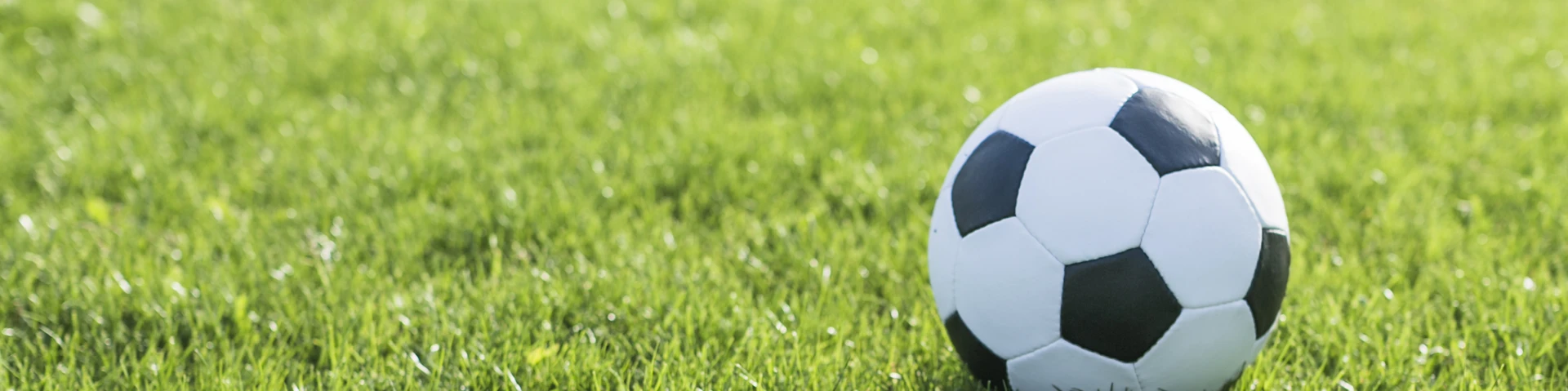
A stitched soccer ball refers to any soccer ball whose panels are sewn together rather than glued or thermally bonded. Stitching has been a traditional manufacturing technique in soccer ball production for decades and remains popular due to its strength and structural integrity.
In a typical stitched soccer ball, the outer cover consists of multiple panels—usually 32 panels—stitched together using high-strength thread. This stitching method ensures the panels remain firmly connected even under heavy impact during gameplay.
There are two main types of stitched soccer balls:
Machine stitched soccer ball
Hand stitched soccer ball
Machine stitched balls are produced using automated machines, while hand-stitched balls are sewn manually by skilled workers. Hand stitching is often associated with higher-end match balls because it provides tighter seams and improved durability. However, machine stitching is more efficient for large-scale production.
The performance of a stitched soccer ball depends on several factors, including material quality, panel design, and bladder type. Modern stitched balls often use textured PU surfaces that improve grip and control during dribbling and passing.
Key advantages of stitched soccer balls include:
- Strong Panel Connection
The stitching ensures that panels remain securely attached, reducing the risk of separation during intense play. - Good Shape Retention
A well-constructed machine stitched soccer ballmaintains its round shape and balanced weight distribution, which is essential for accurate passes and shots. - Cost-Effective Production
Compared with high-end bonded balls, stitched soccer balls are more affordable, making them ideal for large organizations and sports programs. - Versatile Use
A stitched soccer ballcan be used for training, amateur competitions, and recreational play across different playing surfaces.
Because of these benefits, stitched balls remain one of the most widely used types of soccer balls around the world.
How to Choose the Right Machine Stitched Soccer Ball
When selecting a machine stitched soccer ball, it is important to consider several key factors to ensure the ball meets your needs.
Material Quality
The outer cover material affects durability and performance. PU (polyurethane) provides a softer touch and better control, while PVC is more durable and suitable for outdoor training.
Bladder Type
Latex bladders offer better responsiveness and softer feel but may require more frequent inflation. Butyl bladders retain air longer and are commonly used in training balls.
Panel Construction
Most traditional soccer balls use a 32-panel design, which helps maintain a round shape and consistent flight during kicks.
Intended Use
A machine stitched soccer ball designed for training may prioritize durability, while balls used for matches focus more on control and precision.
By considering these factors, players, coaches, and sports organizations can find a stitched soccer ball that balances performance, durability, and affordability.
Both the machine stitched soccer ball and the stitched soccer ball play an important role in the world of soccer. These balls are widely used in training environments, schools, sports clubs, and recreational games because they offer reliable performance at a reasonable cost.
The stitching process ensures strong panel connections, good shape retention, and long-lasting durability. While hand-stitched balls are often preferred for professional matches, machine stitched soccer balls remain the most practical choice for everyday training and casual play.
By understanding the construction, materials, and benefits of stitched soccer balls, buyers can make informed decisions and select the right soccer ball for their playing environment. Whether for practice sessions or friendly matches, a well-made stitched soccer ball helps players enjoy the game while improving their skills.
FAQ: Machine Stitched Soccer Ball and Stitched Soccer Ball Guide
1. What is a machine stitched soccer ball?
A machine stitched soccer ball is a ball whose panels are sewn together using specialized sewing machines. This process ensures consistent stitching quality and allows manufacturers to produce durable soccer balls efficiently.
2. What is the difference between a machine stitched soccer ball and a stitched soccer ball?
A stitched soccer ball refers to any ball whose panels are sewn together. A machine stitched soccer ball is one type of stitched ball, while another type is the hand-stitched soccer ball made manually by skilled workers.
3. Are machine stitched soccer balls durable?
Yes, a machine stitched soccer ball is generally very durable. The precise stitching helps keep the panels tightly connected, allowing the ball to withstand frequent training and recreational use.
4. Where are stitched soccer balls commonly used?
A stitched soccer ball is commonly used in schools, sports clubs, training academies, and recreational games because it offers reliable performance and good durability.
5. Is a machine stitched soccer ball good for beginners?
Yes, a machine stitched soccer ball is an excellent choice for beginners and training sessions because it is affordable, durable, and widely available in different sizes.