Nov . 06, 2026 15:10
Volleyball is widely played in schools, sports clubs, universities, beach sports facilities, and recreational communities. As participation continues across different age groups and playing environments, buyers are looking for volleyball products that combine reliable performance with attractive visual features. For sports brands, distributors, and wholesalers, customization offers an effective way to develop products that match specific customer preferences and market requirements.
A volleyball is not only a piece of sports equipment but can also represent a team, school, club, or brand. Custom logos, printed graphics, and colorful appearances help businesses create distinctive product collections. Whether supplying indoor training equipment or recreational beach volleyballs, choosing the right design and manufacturing options can improve product appeal and support long-term business growth.

Custom Logo Volleyball Helps Teams and Brands Build Recognition
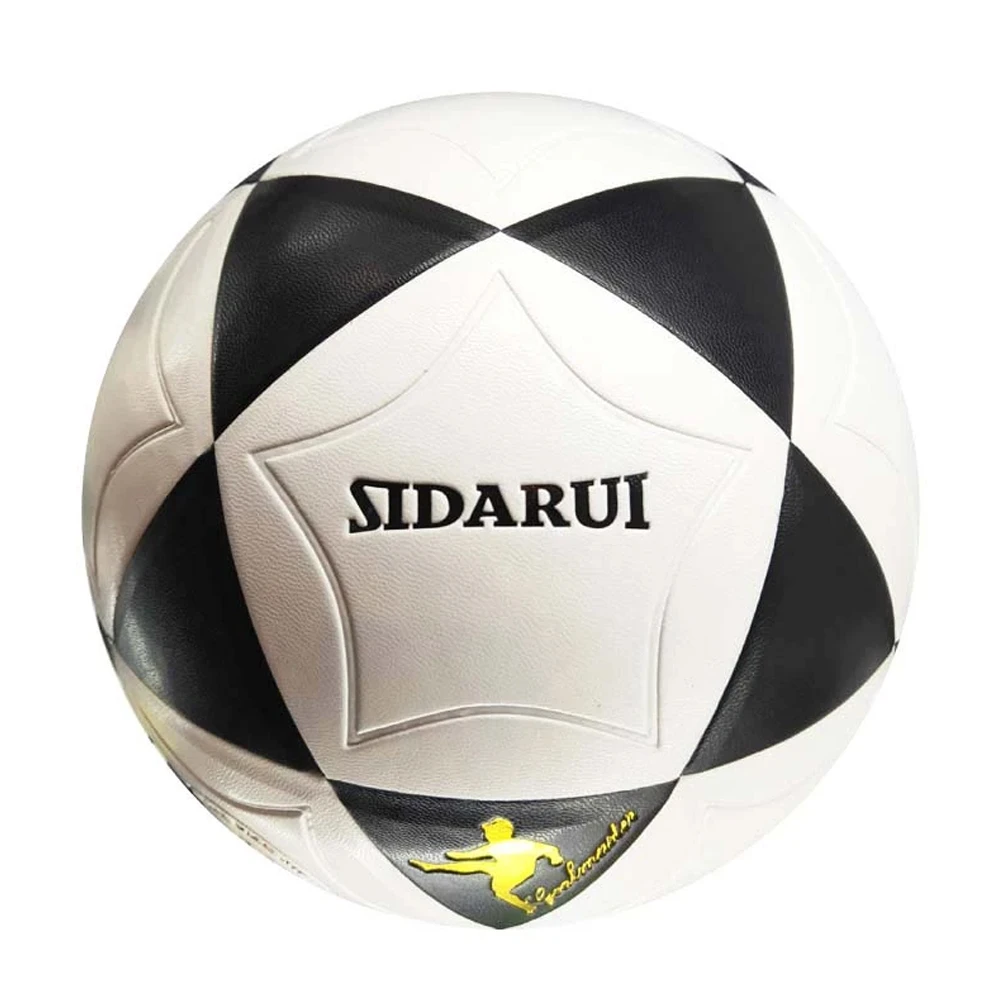
A custom logo volleyball provides an effective solution for organizations that want their sports equipment to reflect a recognizable identity. Schools, universities, volleyball clubs, sports academies, and commercial brands can add their logos to volleyballs, creating a consistent appearance across training sessions, competitions, and promotional activities.
For sports teams, a logo-printed volleyball can strengthen team identity. Players using matching equipment may feel a stronger connection to their club, while customized balls can also be used as gifts for members, tournament participants, and supporters. Educational institutions can display school logos and colors on volleyballs used in physical education classes or campus sports events.
Sports businesses can benefit from logo customization in a different way. Retailers and distributors may develop private-label volleyball products to distinguish their offerings from standard market options. Promotional companies can also use customized volleyballs for brand campaigns, sporting events, and customer engagement activities. By placing a company logo on a practical sports product, businesses can increase brand visibility in relevant environments.
When ordering a custom logo volleyball, buyers should consider the printing position, logo size, color contrast, and artwork quality. A clear vector file is generally helpful for achieving accurate printing results. It is also important to confirm whether the selected printing method is suitable for the ball's outer material and surface texture.
Beyond appearance, product specifications should remain a priority. Buyers should evaluate the outer material, bladder, panel construction, weight, circumference, and intended playing environment. Indoor volleyballs and outdoor models may have different requirements, so the product should be selected according to its actual application.
For bulk orders, approving a sample before mass production can help confirm logo placement and overall product quality. A reliable manufacturer should provide clear customization information and maintain consistency across production batches. This makes custom logo volleyball products a practical choice for organizations seeking both functional equipment and stronger brand recognition.
Custom Printed Volleyball Offers Flexible Options for Promotional Projects
A custom printed volleyball gives buyers more creative freedom than a product featuring only a simple logo. Depending on the manufacturer's capabilities, businesses can customize graphics, text, patterns, colors, and other visual elements to create a product that fits a particular campaign or customer group.
This flexibility is especially useful for promotional projects. Companies may print their brand messages on volleyballs for exhibitions, sports festivals, product launches, and community events. Schools and universities can create exclusive volleyballs for tournaments, graduation celebrations, or campus activities. Sports clubs may also use customized graphics to produce merchandise for players and fans.
Different printing approaches can support different design requirements. Simple logos and text may need a relatively straightforward printing process, while more detailed artwork may require additional preparation and color management. Buyers should discuss the available printing technology with the supplier before confirming their designs. The printing method should be compatible with the selected outer material and should provide suitable clarity and durability under normal use.
Artwork preparation is another important part of the process. Buyers should provide high-resolution files and confirm the final layout, including the position of graphics across the ball's panels. Since a volleyball has a curved surface, the design may look different when applied to the finished product than it does on a flat computer screen. A digital mockup or physical sample can help buyers review the overall effect.
Custom printing can also support different market positioning. A premium sports brand may prefer a clean design with carefully placed graphics, while an event organizer may choose a more colorful layout with prominent promotional messages. Retailers can develop themed collections for different seasons, competitions, or customer preferences.
For wholesalers and distributors, custom printed volleyball products offer an opportunity to provide more than standard equipment. With flexible artwork options, appropriate material selection, and consistent production quality, businesses can create products that serve both sports-related and promotional purposes.
Colorful Volleyball Designs Attract Attention Across Different Markets
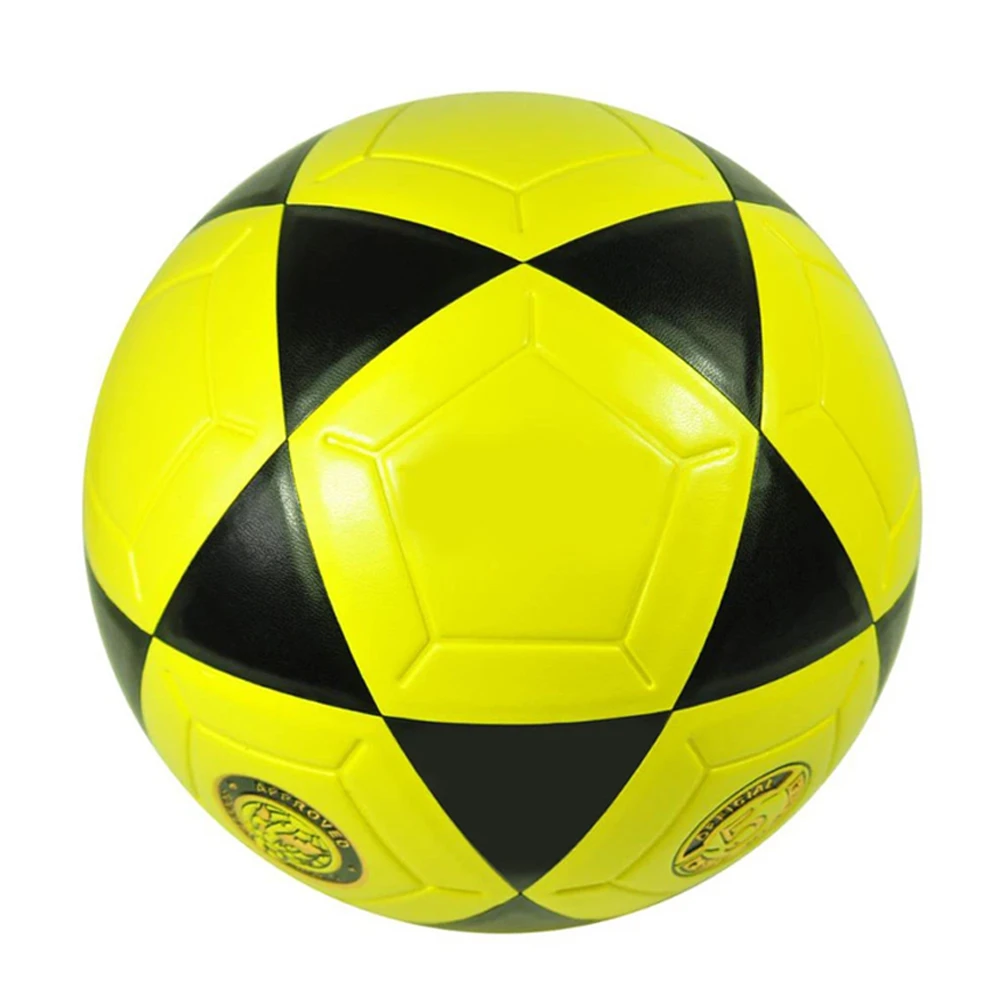
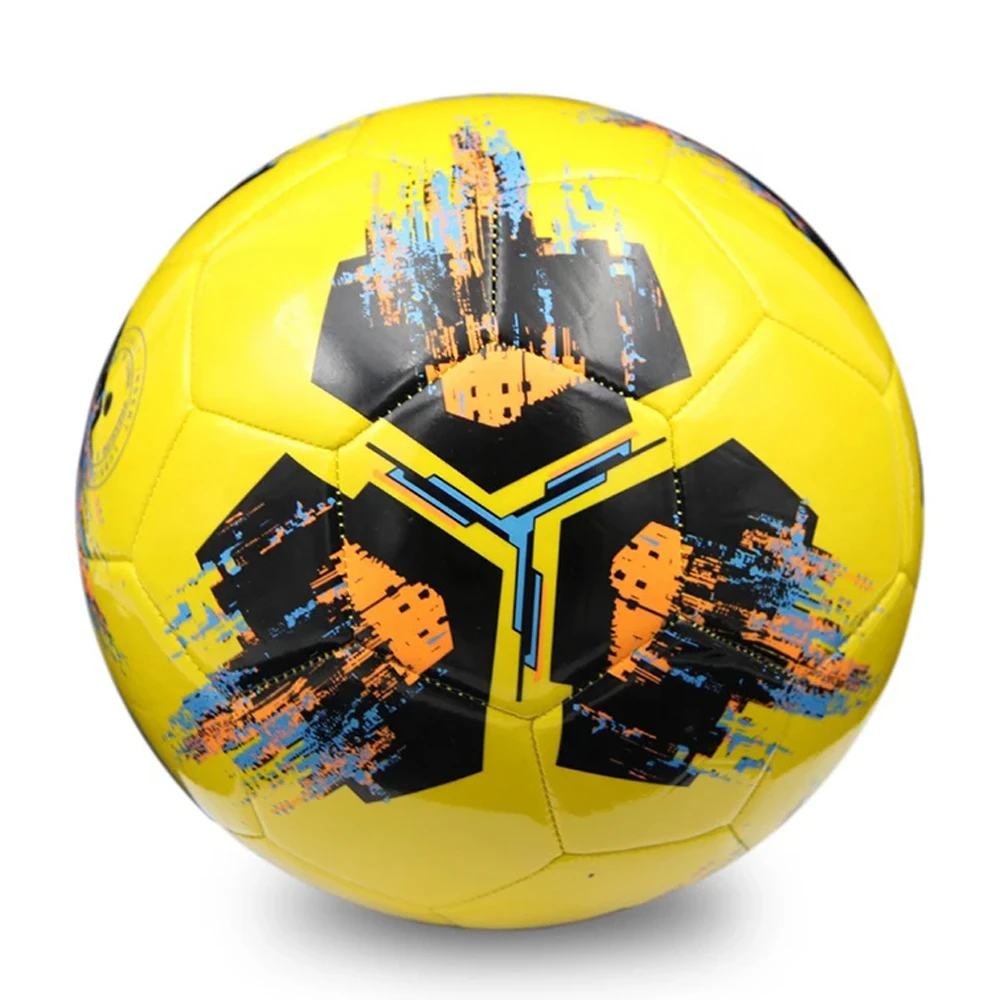
A colorful volleyball can make a strong visual impression and appeal to customers who prefer distinctive sports equipment. Compared with traditional designs using limited colors, modern volleyball products may feature bright combinations, contrasting panels, geometric patterns, and creative graphic elements. These details help products stand out in retail displays and make them visually recognizable on the court.
Color selection should consider the intended users and playing environment. Schools and youth sports programs may prefer bright colors that create an energetic appearance. Professional clubs may choose combinations that match their uniforms or brand identity. Beach volleyball retailers may focus on vibrant designs that complement outdoor recreation and summer sports activities.
The relationship between color and visibility is also worth considering. Contrasting colors and clear panel divisions can make a ball easier to distinguish visually during recreational play. However, the final appearance should not come at the expense of functional construction. Buyers should ensure that the selected materials, printing methods, and surface finish are appropriate for the intended use.
For manufacturers, producing colorful volleyballs requires attention to color consistency and printing quality. The same color may appear slightly different depending on the material, surface treatment, and production process. Businesses ordering large quantities should confirm color references and approve samples before starting mass production. This is particularly important when the volleyballs need to match specific corporate or team colors.
Color customization can also be combined with other product features. Buyers may select different panel patterns, add a brand logo, include a slogan, or develop packaging that matches the ball's visual theme. This creates a more coordinated product presentation and helps retailers build distinctive collections.
A well-designed colorful volleyball can serve schools, sports retailers, clubs, promotional companies, and recreational users. By balancing attractive colors with suitable product specifications, businesses can offer volleyballs that meet customer expectations in both appearance and practical use.
How to Choose a Reliable Volleyball Manufacturer for Custom Orders
Finding a suitable volleyball manufacturer is essential for buyers who require customized products in consistent quantities. Beyond offering attractive designs, a professional supplier should understand material selection, printing requirements, production processes, and quality control.
Before placing an order, buyers should clarify the intended application. Indoor training, school activities, beach recreation, and promotional distribution may require different product specifications. Important details include ball size, weight, circumference, outer material, bladder type, panel construction, and recommended playing environment.
Customization requirements should also be documented clearly. Buyers can prepare logo files, artwork, color references, printing positions, and packaging preferences in advance. For projects involving multiple designs, organizing specifications by model and quantity can reduce communication errors.
Sample evaluation is another valuable step. Buyers should inspect the surface finish, printing clarity, color consistency, shape, and overall construction before approving bulk production. It is also useful to discuss minimum order quantities, production lead times, inspection procedures, and shipping arrangements with the supplier.
For businesses developing their own sports product lines, OEM and ODM cooperation can provide additional flexibility. Customized logos, printed graphics, and colorful designs allow brands to create volleyball collections that better reflect their positioning and target markets.
Ultimately, successful volleyball customization requires a balance between visual appeal, functional quality, and manufacturing reliability. By working with an experienced supplier, businesses can develop custom volleyball products that support team identity, promotional goals, and long-term market development.