Nov . 06, 2026 15:11
In the global sports equipment market, footballs are more than basic sporting goods. Schools, sports clubs, professional teams, retailers, and promotional companies all have different expectations when purchasing footballs. Some buyers focus on playing performance, while others prioritize brand identity, appearance, and product durability. As a result, customization, material selection, and visual design have become important considerations for businesses developing their own football product lines.
A well-designed football should combine functional construction with an attractive appearance. From selecting suitable outer materials to adding customized logos and color combinations, every detail can influence the final product. Understanding these factors helps importers and distributors make informed purchasing decisions and provide products that better match their target markets.

Football Custom Services Help Brands Build a Distinct Market Identity
Football custom services allow businesses to create products that reflect their brand image, team identity, or promotional requirements. Instead of purchasing standard footballs with limited appearance options, buyers can work with manufacturers to customize colors, logos, patterns, and packaging. This flexibility is valuable for sports brands, football academies, schools, clubs, and companies that use sports equipment for marketing campaigns.
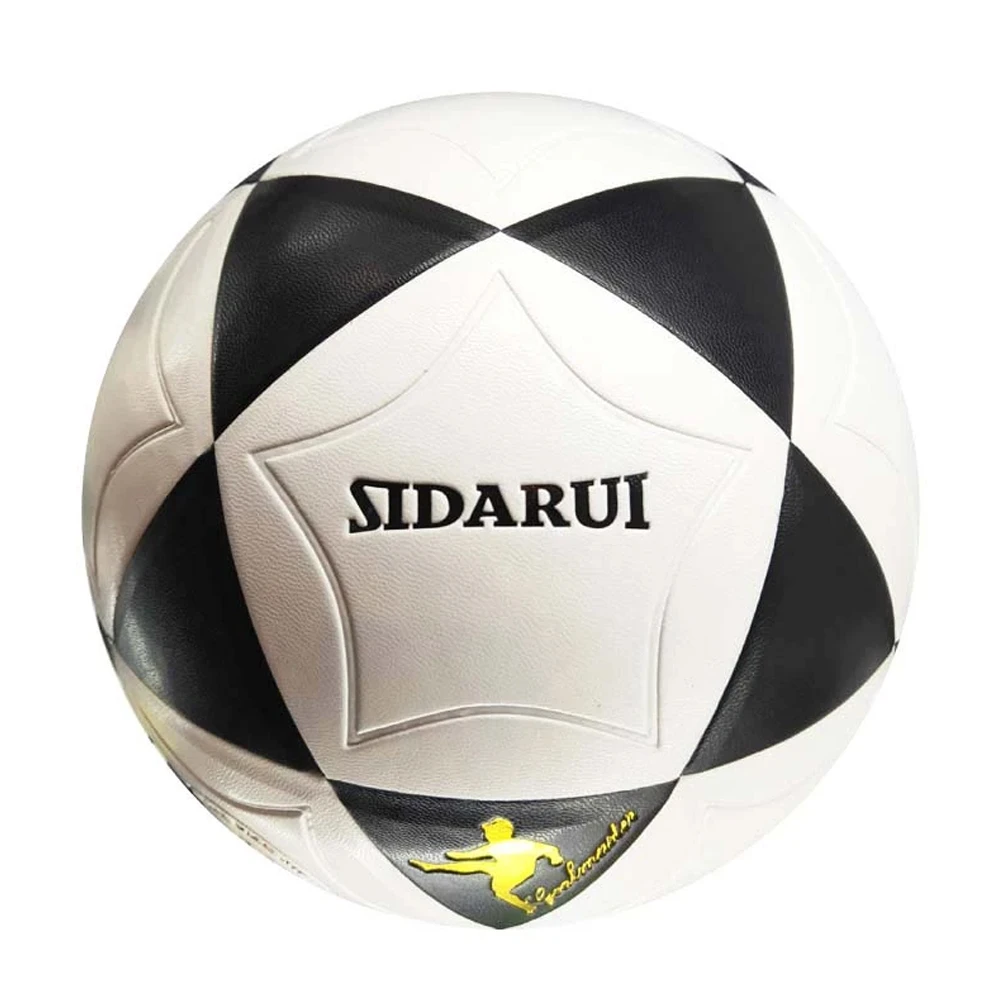
Logo customization is one of the most common requirements. A team crest, company logo, sponsor mark, or brand name can be printed on the ball to create a recognizable product. For football clubs and academies, customized balls help strengthen team identity during training and promotional events. Retailers can also develop private-label products that stand out from standard items in a competitive market.
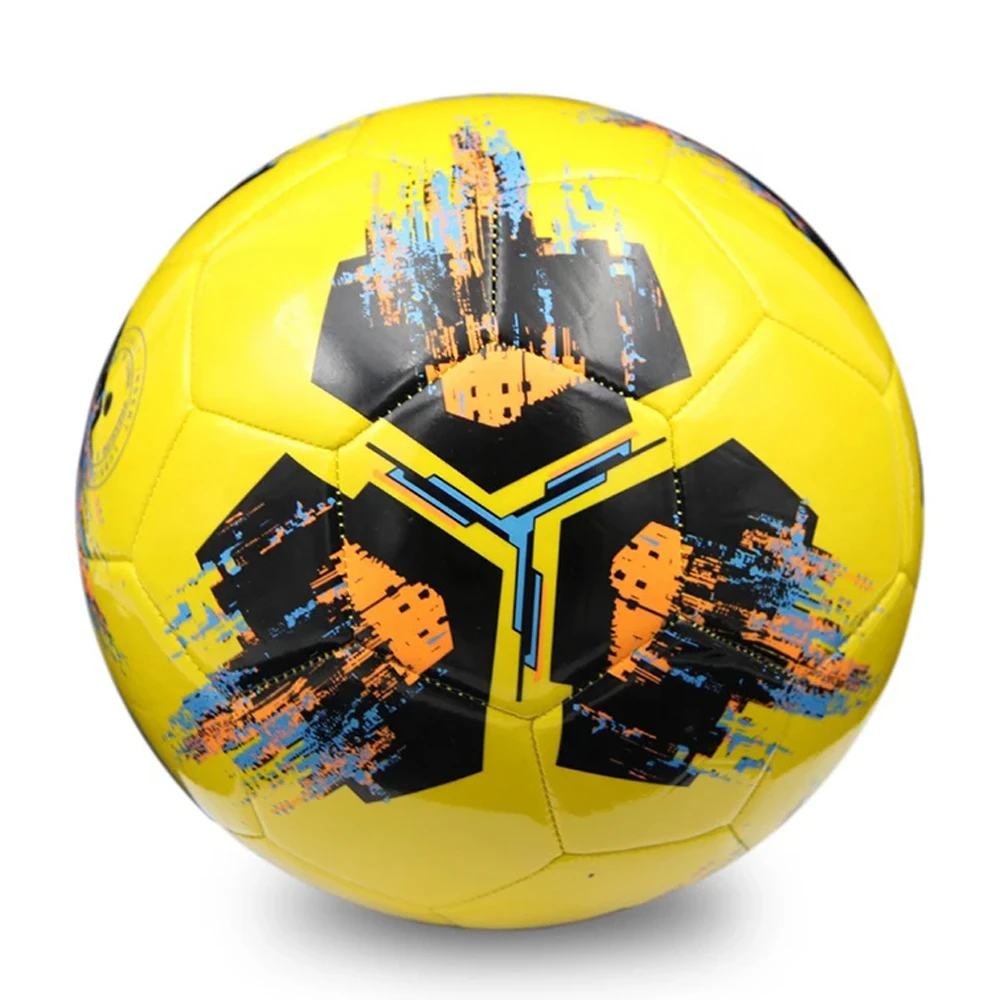
Color selection provides another opportunity for differentiation. Buyers may choose colors based on brand guidelines, national preferences, team uniforms, or seasonal promotions. Some projects require a simple two-color appearance, while others may involve multiple colors and more complex graphic elements. Before production, buyers should confirm the artwork, logo position, printing method, and color requirements with the manufacturer.
Football custom orders can also include different sizes, surface patterns, and packaging solutions. For example, a supplier may provide standard retail packaging for sports stores or customized packaging for promotional programs. OEM and ODM services can support businesses that want to develop products under their own brands or create designs for specific customer groups.
For bulk purchasing, clear communication is essential. Buyers should provide vector logo files when possible, confirm the quantity and specifications, and request a pre-production sample if the project involves complex customization. This process helps reduce misunderstandings and ensures that the finished products match the approved design.
By combining brand elements with suitable product specifications, football custom solutions help businesses create more recognizable products and establish stronger connections with their customers.
Football Material Determines Durability, Touch, and Playing Performance
Football material is one of the most important factors affecting a ball's performance and service life. Different materials provide different levels of softness, grip, abrasion resistance, and water resistance. Therefore, buyers should select materials according to the intended playing environment, target users, and product positioning rather than focusing on appearance alone.
Synthetic leather is widely used in modern football production. Common options include PVC and PU, each offering different characteristics depending on its formulation and construction. PVC footballs are often selected for their practical cost and durability, making them suitable for recreational use and some training applications. PU materials are generally valued for their softer touch and more refined surface feel, which can be useful for products positioned toward higher-performance training or match play.
The inner construction is equally important. A football typically includes an outer cover, backing layers, lining, and an internal bladder. The bladder helps maintain air pressure and influences the ball's shape and rebound characteristics. Butyl bladders are commonly valued for air retention, while latex bladders are often associated with a softer feel and responsive performance. The final result depends on the complete construction rather than one material component.
Manufacturing methods also influence product quality. Machine-stitched footballs are commonly used for recreational and training markets, while hand-stitched and thermally bonded constructions may be selected for different performance and price requirements. Buyers should consider panel construction, seam strength, shape consistency, and surface finishing when evaluating samples.
Playing conditions should guide material selection. A ball intended for frequent outdoor use may require a surface with suitable abrasion resistance, while indoor training products may prioritize touch and control. For areas with changing weather conditions, buyers should also ask about the product's recommended usage environment and maintenance requirements.
For wholesalers and sports equipment distributors, understanding football material helps create a product range for different budgets and customer needs. A manufacturer that can explain material specifications clearly and provide consistent production quality is a valuable partner for long-term sourcing.
Football Design Combines Visual Appeal with Functional Construction
Football design influences both the appearance and usability of a product. While colors and graphics help attract attention, panel layout, surface texture, and structural details also contribute to the overall playing experience. A successful design should balance visual identity with practical performance.
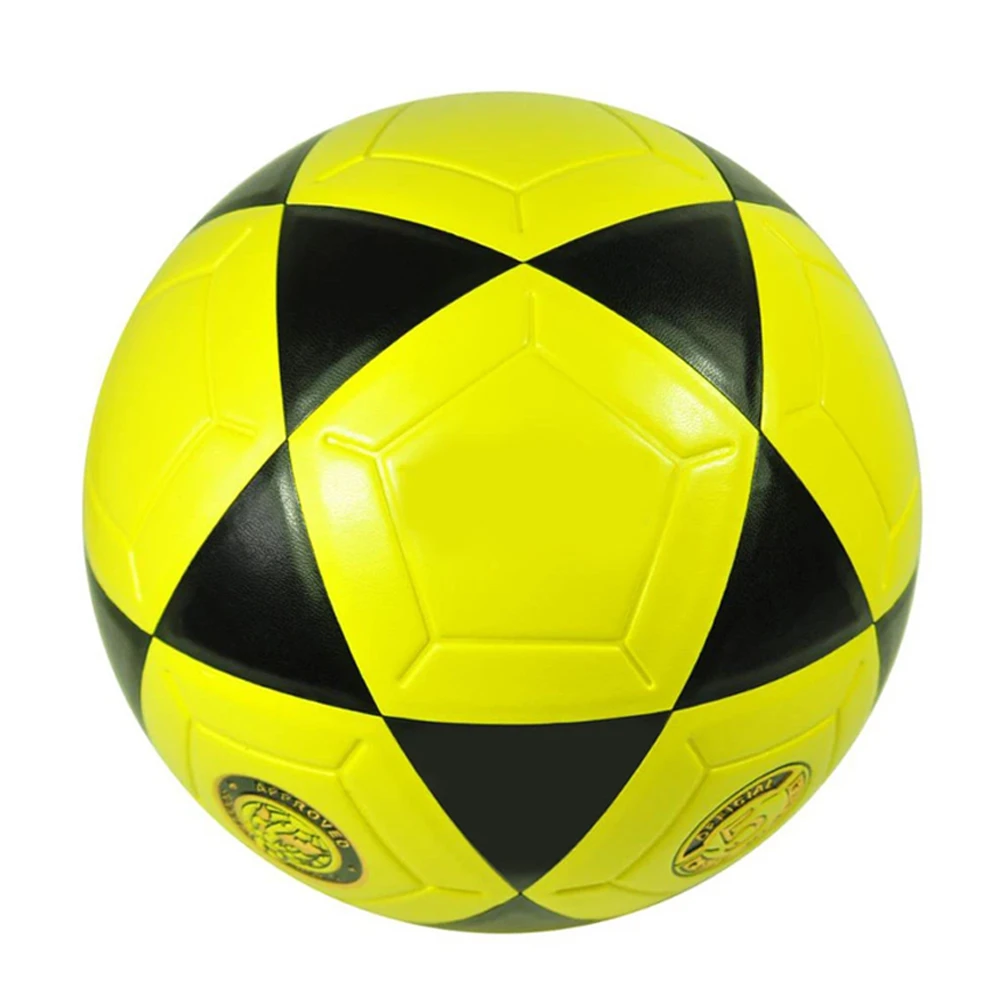
Panel configuration is an important part of football design. Traditional panel patterns remain popular because they provide a familiar football appearance, while modern designs may use different geometric arrangements to create a distinctive visual effect. The number, shape, and layout of panels can also relate to the manufacturing process and construction method. Buyers should therefore evaluate the complete product rather than selecting a pattern based only on its appearance.
Color combinations can make a football easier to recognize on the field and help distinguish one product series from another. High-contrast colors may improve visibility in certain playing environments, while coordinated colors can support a club's or brand's identity. Graphic elements, printed patterns, and logo placement should remain clear and balanced without making the surface look overcrowded.
Surface texture is another design consideration. Different textures can influence grip and the way players interact with the ball. Some footballs feature smooth surfaces, while others use textured patterns or additional surface details. The appropriate choice depends on the intended market and product specifications.
For businesses developing private-label footballs, design consistency is especially important. A recognizable visual style across different sizes and product models can help customers identify a brand more easily. Manufacturers may assist with artwork adjustment, color matching, panel graphics, and sample development. Reviewing a physical sample is recommended before approving large-scale production, since printed colors and surface details may appear different from digital artwork.
A thoughtful football design does more than make a product attractive. It helps communicate the product's intended use, brand positioning, and quality expectations to potential buyers.
Work with a Professional Football Manufacturer to Develop Customized Products
Selecting a reliable football manufacturer is essential for businesses that want to turn product ideas into market-ready items. A capable supplier should provide clear information about available materials, construction methods, customization options, production capacity, and quality inspection procedures.
Before placing a bulk order, buyers should define the target market and intended application. A football designed for school activities may have different requirements from one developed for club training or promotional distribution. Confirming the size, weight, material, bladder, construction, and design details at the beginning can make the purchasing process more efficient.
Sample approval is another important step. Buyers can inspect the product's appearance, touch, shape, inflation performance, and printing quality before confirming mass production. For customized projects, the approved sample should serve as a reference for the final order.
Communication also matters throughout production. Clear order specifications, realistic delivery schedules, packaging confirmation, and quality checks help reduce potential issues. Businesses planning to expand their product lines can also discuss OEM and ODM cooperation with manufacturers to develop different models for various customer groups.
Ultimately, a competitive football product depends on the right combination of customization, material, and design. By evaluating these elements carefully and choosing an experienced manufacturing partner, brands and distributors can build a more distinctive football collection that meets the needs of their markets.