Mar . 27, 2026 16:24
Football is one of the most popular sports in the world, played in many different environments and formats. From professional stadiums to small indoor courts, the game adapts to space, surface, and player needs. Understanding the differences between variations such as football for indoors, football outdoor, and different styles of in door football can help players choose the right equipment, improve their skills, and enjoy the game safely and effectively.
In recent years, indoor versions of football have grown rapidly in popularity, especially in urban areas where space is limited. Meanwhile, traditional outdoor football remains the most widely recognized form of the sport. Whether you are a beginner or an experienced player, knowing how each version works will help you make better decisions about training and gameplay. This guide explores everything from playing styles and materials to practical tips for improvement, including how to play indoor football efficiently.
Differences Between Indoor and Outdoor Football
The most obvious difference between indoor and outdoor football is the playing environment. Outdoor football is played on large grass or artificial turf fields, often with 11 players per side. It requires more endurance, long passing ability, and tactical awareness due to the larger space.
In contrast, football for indoors is usually played in smaller arenas with fewer players, often 5-a-side or 6-a-side. The reduced space means faster decision-making, tighter ball control, and quicker passing sequences. Walls or boundaries may also be used to keep the ball in play, depending on the format.
The term football outdoor typically refers to traditional football played in open fields under natural conditions. Weather can significantly affect gameplay—rain makes the pitch slippery, wind changes ball direction, and sunlight can influence visibility. Outdoor football emphasizes physical strength, stamina, and long-distance strategy.
On the other hand, in door football (commonly written as indoor football) is played in controlled environments such as sports halls or indoor turf facilities. This eliminates weather-related disruptions and allows year-round training. The pace of indoor games is faster, and players must rely heavily on technical skill rather than physical dominance.
Another key difference lies in rules and gameplay structure. Indoor football often has shorter match durations and unlimited substitutions, making it more dynamic and less physically exhausting per player. Outdoor football, however, follows stricter rules governed by international associations and requires greater tactical discipline over longer periods.
Ultimately, both formats offer unique benefits. Outdoor football builds endurance and teamwork on a large scale, while indoor football sharpens technical precision and quick decision-making skills.
Equipment, Surfaces, and Indoor Football Material
The type of equipment used in football varies depending on the environment. One of the most important considerations is the playing surface. Outdoor football is typically played on natural grass or synthetic turf, which affects ball speed, bounce, and player movement. Indoor football, however, uses artificial turf, wooden flooring, or specialized rubber surfaces designed for grip and safety.
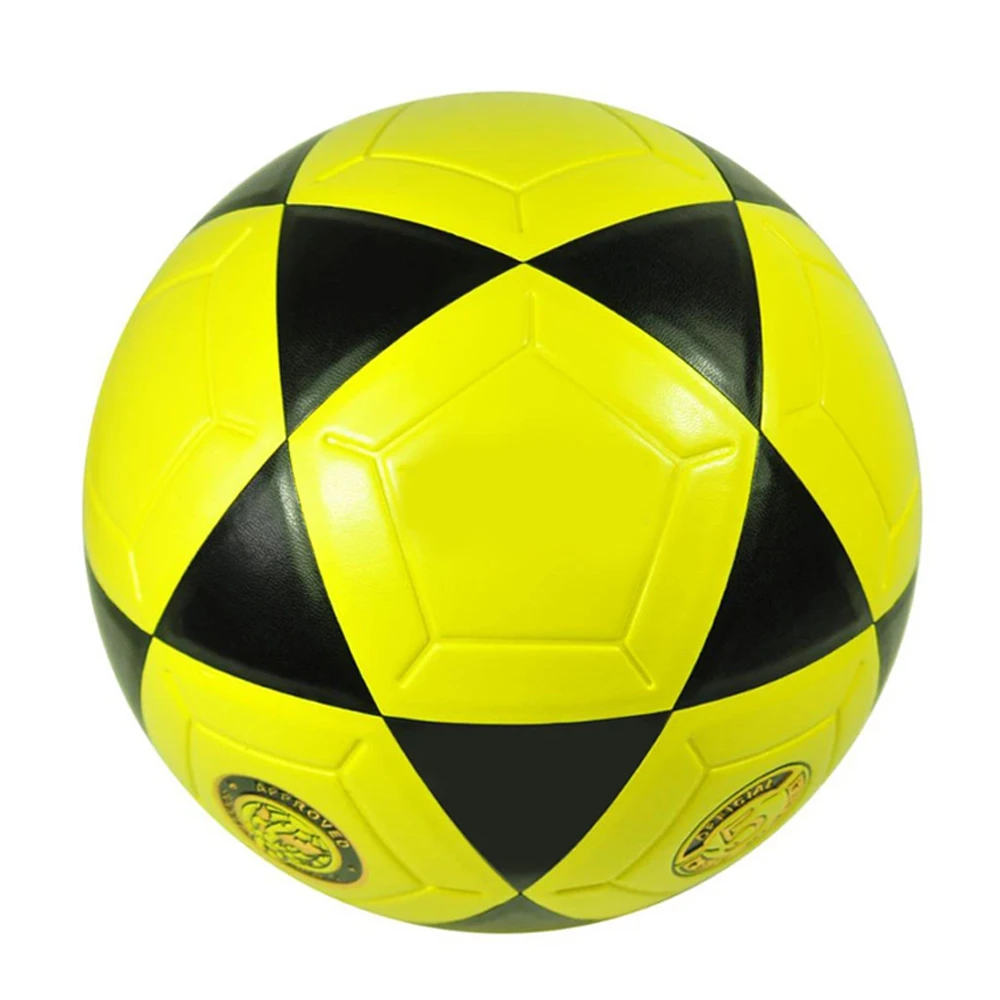
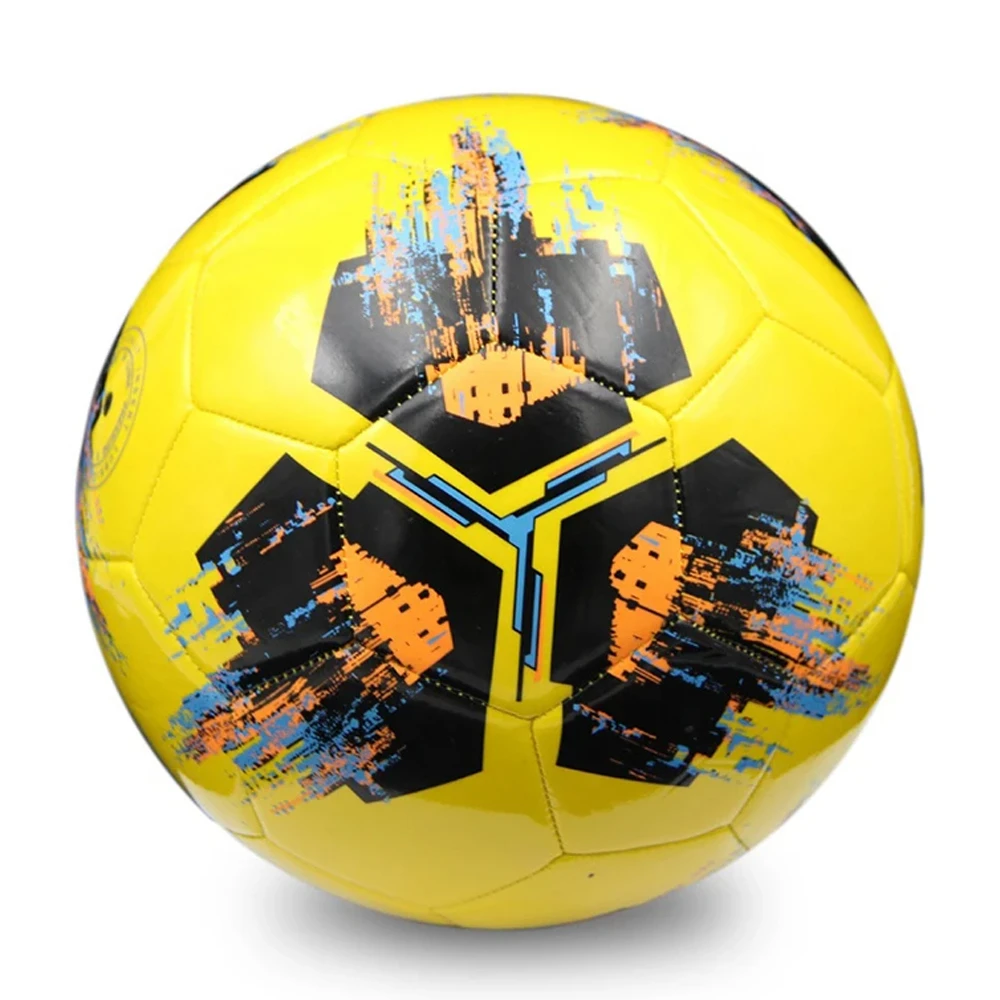
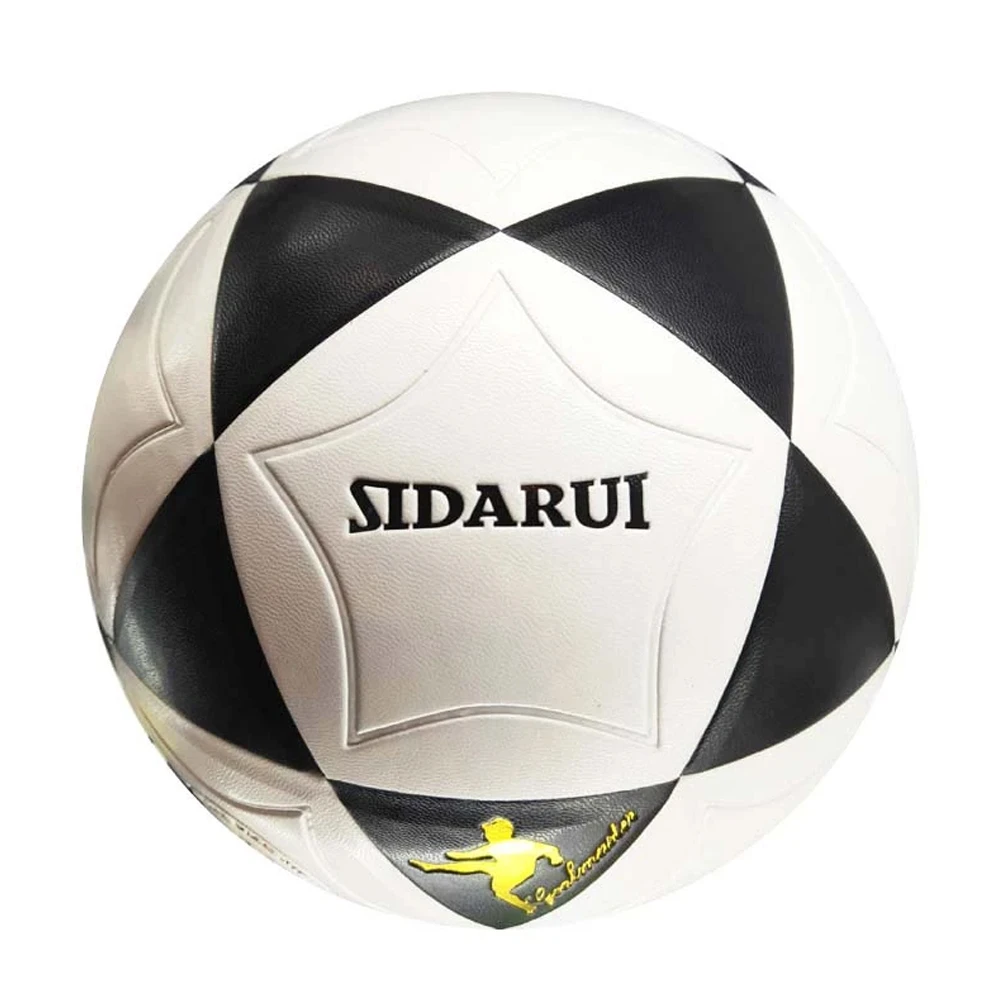
Choosing the right indoor football material is essential for performance and injury prevention. Indoor balls are usually slightly smaller and have less bounce compared to outdoor footballs. This helps maintain better control in confined spaces. The shoes used in indoor football also differ—they have flat rubber soles to improve traction on smooth surfaces, unlike cleats used outdoors.
In addition to footwear and balls, protective gear may vary. Outdoor football often requires shin guards, especially on rough grass or turf fields. Indoor football may still use shin protection, but the risk of heavy tackles is generally lower due to the smaller pitch size and modified rules.
Another important aspect is goal size. Indoor football goals are typically smaller, requiring more accuracy when shooting. This changes how players approach attacking strategies, encouraging short passes, quick dribbling, and close-range finishing.
For players looking to play ball indoor football, understanding equipment differences is crucial. Using the correct ball type and footwear significantly improves control and reduces the risk of injury. Training with the right setup also helps players transition smoothly between indoor and outdoor formats.
Modern indoor facilities are designed to enhance the playing experience. Many include shock-absorbing flooring, temperature control, and high-quality lighting to ensure consistent conditions. These improvements make indoor football more accessible and enjoyable for players of all ages and skill levels.
How to Play and Improve Skills in Indoor and Outdoor Football
Learning how to play football indoor requires adapting to a faster and more compact style of play. Because space is limited, players must focus on quick thinking, tight ball control, and accurate passing. Dribbling in indoor football is often shorter and more controlled, with an emphasis on keeping possession rather than long runs.
To play indoor football effectively, communication is essential. Players must constantly coordinate movements, as the smaller pitch leaves little room for error. Defensive pressure is higher, so reaction speed becomes a key skill. Practicing small-sided games is one of the best ways to improve indoor performance.
Training drills for indoor football often include wall passing, rapid passing sequences, and close-control dribbling exercises. These help players develop faster reflexes and better spatial awareness. Because the game is continuous and fast-paced, endurance is also important, even though the field is smaller.
In contrast, outdoor football training focuses more on stamina, long passes, and tactical positioning. Players learn to cover larger distances and maintain energy over longer matches. A good outdoor player must understand formations, off-the-ball movement, and strategic spacing.
Many athletes choose to combine both formats to become more versatile. Playing indoor football improves technical ability, while outdoor football builds physical strength and tactical awareness. Switching between the two helps players adapt to different match situations and improves overall performance.
For beginners, starting with indoor football can be beneficial because it provides more touches on the ball and faster learning opportunities. As confidence grows, transitioning to outdoor football allows players to apply those skills in a larger and more complex environment.
Ultimately, whether you prefer football for indoors or traditional outdoor matches, the key to improvement is consistent practice. Understanding the differences, using the right equipment, and developing both technical and physical skills will help any player excel in the game.