Mar . 27, 2026 16:25
Mini soccer balls have become increasingly popular in modern football training, youth development, and recreational play. Whether you are searching for a mini ball soccer, a training tool for beginners, or a fun way to improve control skills, smaller footballs offer a wide range of benefits. From indoor drills to outdoor practice, different types such as football ball mini and mini futsal ball are designed to improve precision, touch, and overall technique.
In this article, we will explore everything about mini soccer equipment, including types, materials, usage, and training benefits. We will also look at variations like football ball small, mini pink soccer ball, and mini rubber soccer ball, and explain how they help players of all ages develop stronger skills.
What is a Mini Soccer Ball and Why It Matters
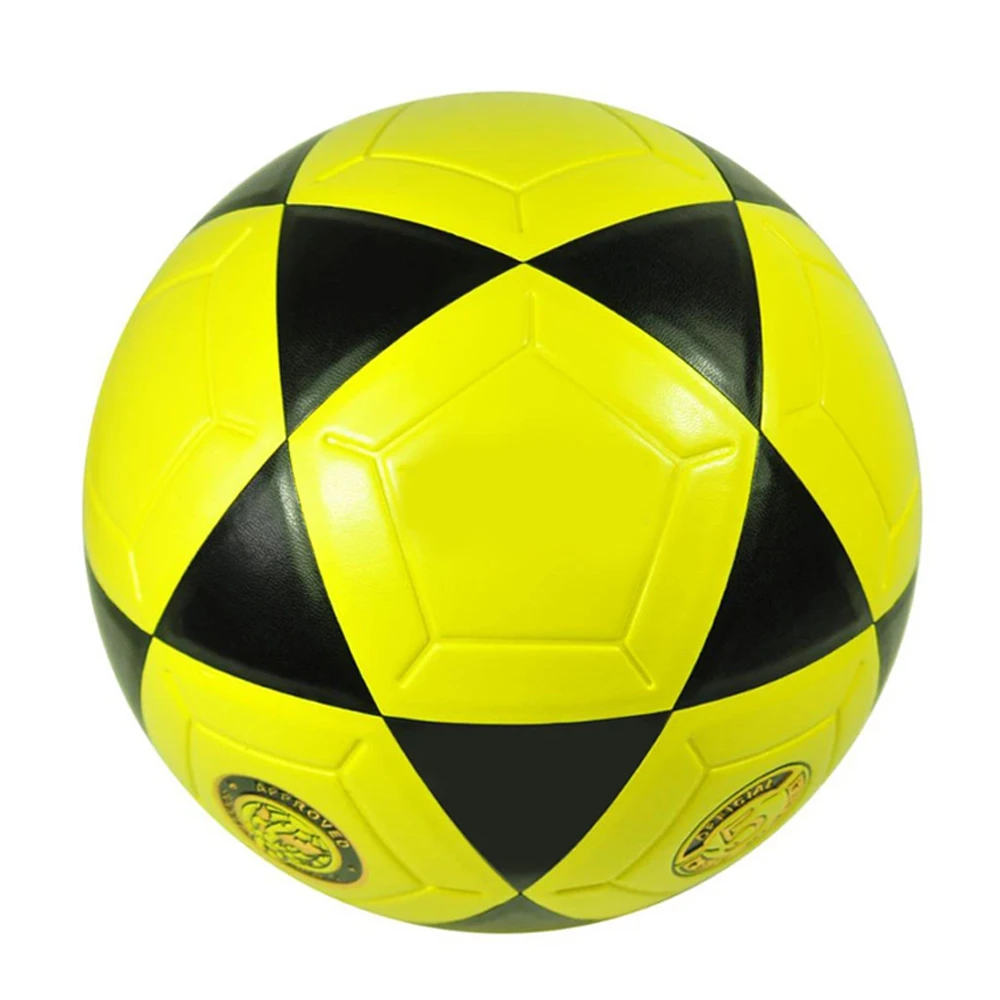
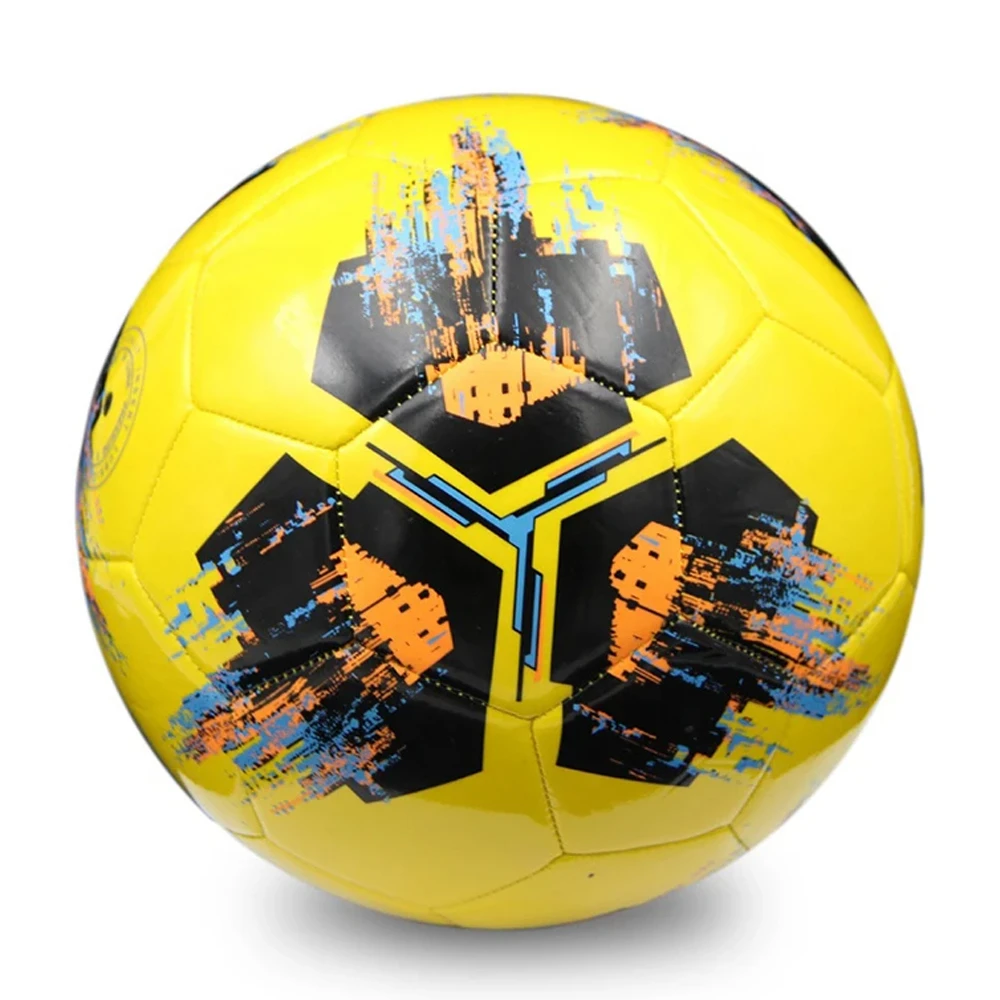
A mini soccer ball is a smaller version of a standard football, usually designed for skill development, indoor play, or youth training. Unlike full-size balls, a small football ball or football ball small is easier to control, making it ideal for beginners and technical training sessions.
Many coaches use a mini skills ball to help players improve foot coordination and ball handling. Because the ball is lighter and smaller, players must focus more on precision rather than power. This builds better control and improves reaction speed during real matches.
Another key advantage of the mini soccer size is its versatility. It can be used in small spaces such as indoor courts, backyards, or training gyms. This makes it perfect for players who want to practice consistently without needing a full-size field.
Children often start with a mini ball soccer because it matches their physical strength and helps them develop confidence. The smaller size reduces the difficulty of dribbling, passing, and shooting, allowing young players to enjoy the game while learning fundamentals.
In addition, mini soccer balls are widely used in technical drills for professional athletes. Even elite players use them to sharpen their first touch and improve quick decision-making under pressure.
Types and Materials of Mini Soccer Balls
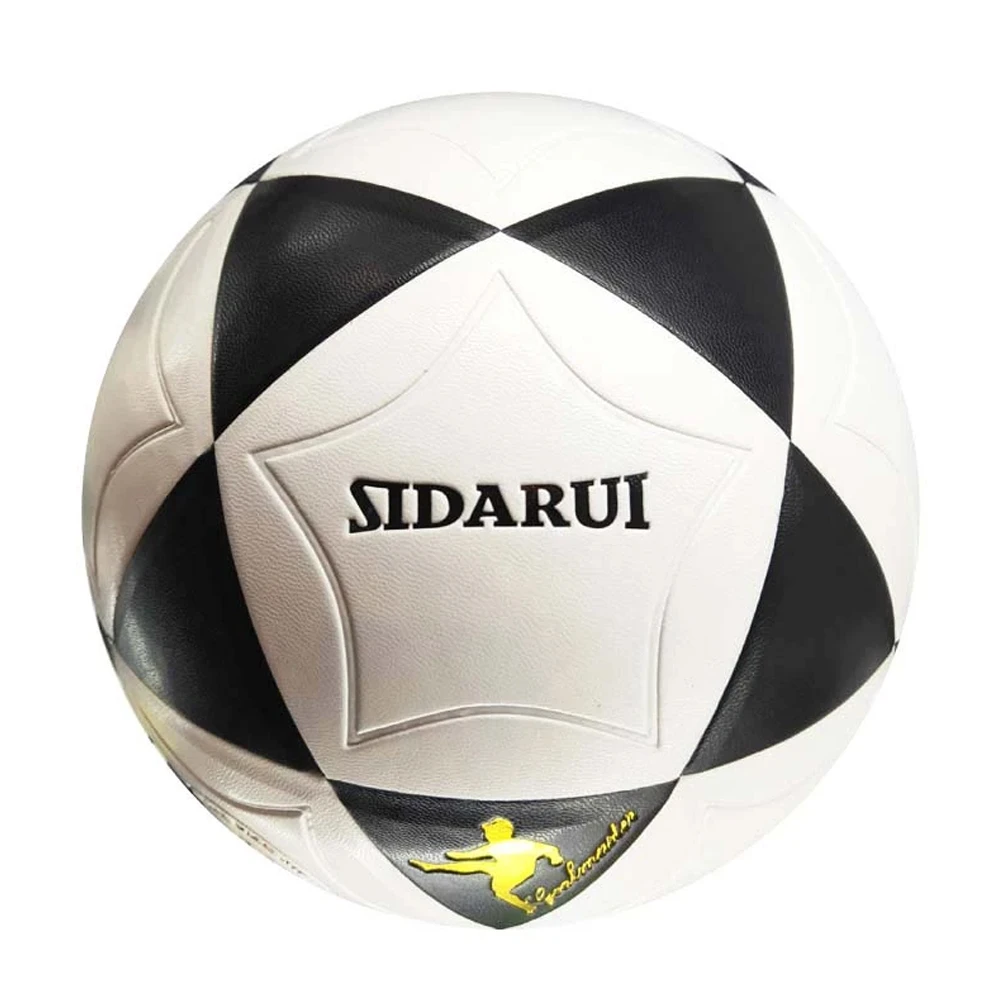
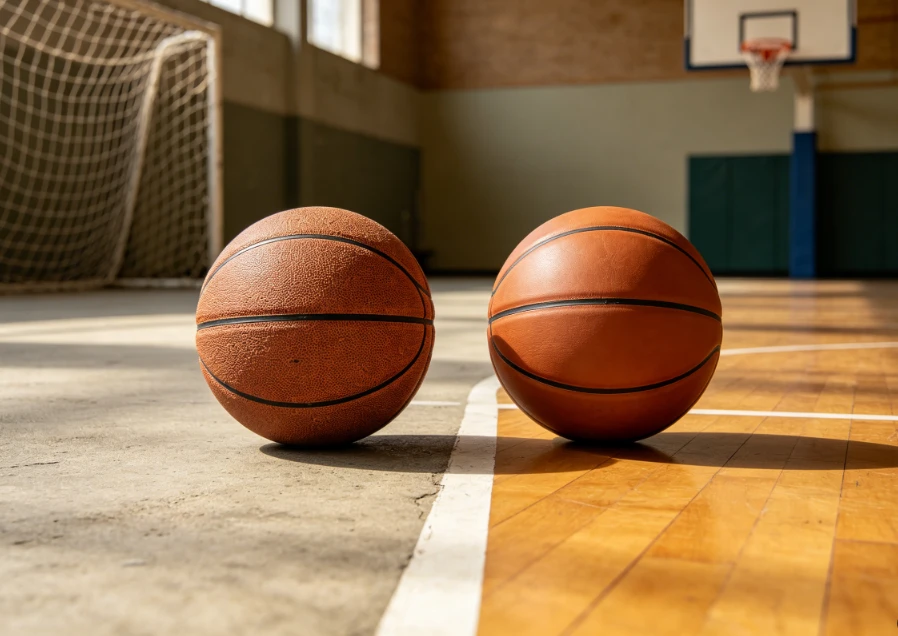
There are many variations of mini soccer balls, each designed for different playing environments and training goals. One of the most common types is the mini futsal ball, which is slightly heavier and has reduced bounce. This makes it ideal for indoor courts and futsal training, where close control is essential.
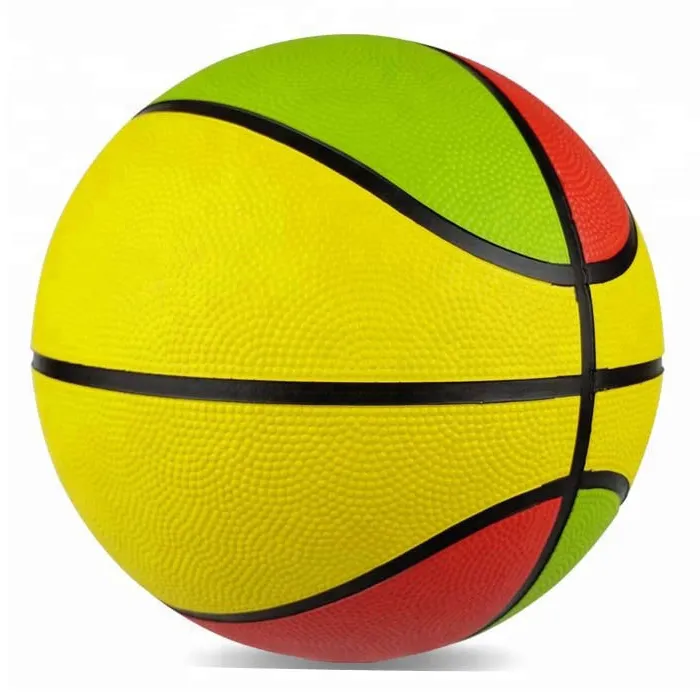
A mini rubber soccer ball is another popular option, especially for outdoor play and street football. Rubber materials make the ball more durable and resistant to rough surfaces. This type is often used in casual games and school sports activities.
For younger players or casual fun, a mini pink soccer ball is often chosen for its bright color and attractive design. While it performs the same function as other mini balls, its visual appeal makes it especially popular among children.
The construction of a football ball mini typically includes synthetic leather or PVC materials. These materials provide durability while maintaining a soft touch. High-quality stitching ensures that the ball retains its shape even after repeated use.
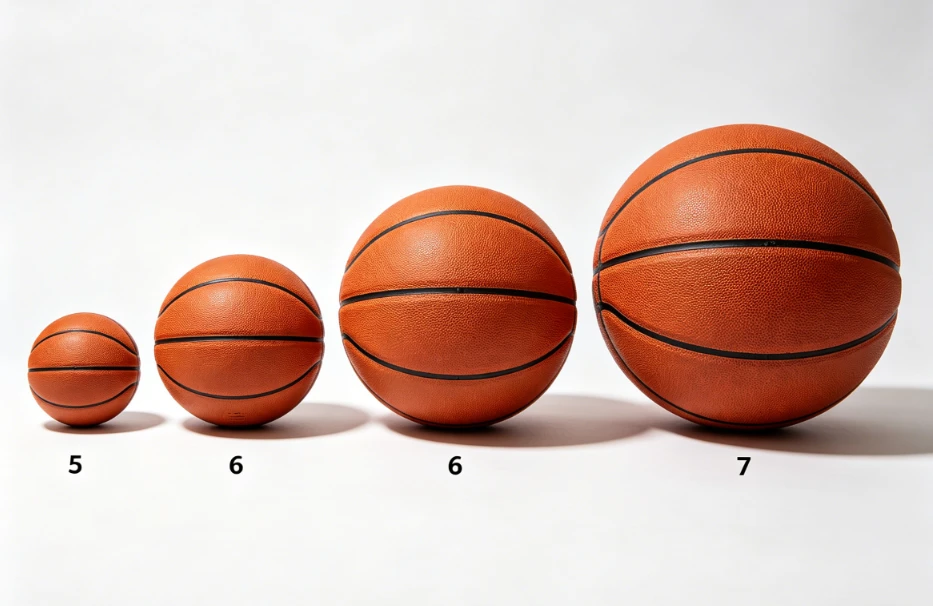
Different mini soccer size categories are available depending on age and training purpose. Size 1 or mini balls are the smallest, often used for skill development, juggling, or promotional purposes. Slightly larger versions may be used for beginner training sessions.
Choosing the right material and type is important. A soft indoor ball is better for controlled environments, while a rubber-based mini ball is ideal for outdoor durability. Each variation serves a specific purpose in developing football skills.
Training Benefits and How to Use Mini Soccer Balls Effectively
Using a mini skills ball in training offers several advantages for both beginners and advanced players. One of the biggest benefits is improved ball control. Because the ball is smaller, players must focus more carefully on their touches, which strengthens coordination and precision.
To effectively play ball indoor football using mini soccer balls, players can practice wall passing drills. These exercises help improve reaction time and passing accuracy. The fast rebound of smaller balls forces players to think quickly and adjust their positioning.
When players play indoor football with a mini ball, they also develop better spatial awareness. Indoor environments are usually tight, so controlling a smaller ball in limited space helps simulate real match pressure situations.
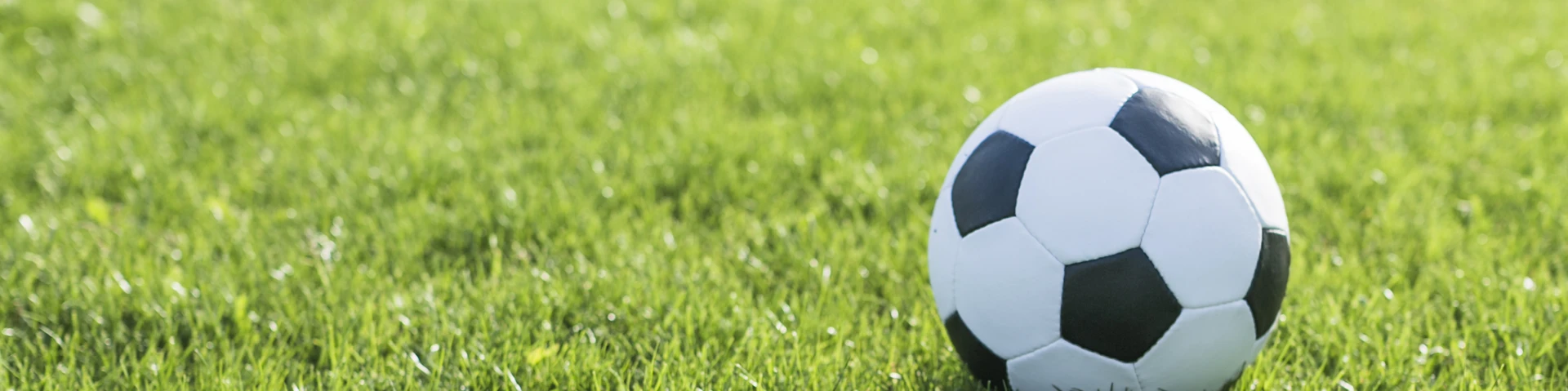
Outdoor training also benefits from mini soccer balls. Practicing with a football ball small on grass or turf helps players improve dribbling skills and close control. Because the ball is harder to strike over long distances, players naturally focus on short, precise movements.
Coaches often include mini ball exercises in warm-ups. Activities like juggling, toe taps, and cone dribbling with a mini ball soccer help activate foot muscles and improve coordination before full training sessions.
Another important use is in youth development programs. Children learning the basics of football can build confidence faster with a smaller ball. It reduces frustration and encourages continuous practice.
Advanced players also benefit by using mini balls to enhance technical sharpness. Even professional athletes use them to refine first-touch control, especially in high-pressure situations where accuracy matters more than power.
Overall, the mini futsal ball and other variations are essential tools for improving football performance at all levels. They bridge the gap between basic skill development and advanced technical mastery.
Mini soccer balls play a vital role in modern football training and recreation. Whether you choose a mini ball soccer, mini rubber soccer ball, or mini pink soccer ball, each type offers unique benefits for skill development and enjoyment.
From improving control with a football ball mini to mastering tight-space drills with a mini skills ball, these compact footballs are essential for players who want to elevate their game. Understanding mini soccer size options and selecting the right material ensures better performance in both indoor and outdoor environments.
By integrating mini soccer training into regular practice, players can significantly improve their technical ability, reaction speed, and overall confidence on the field.