Apr . 23, 2026 09:59
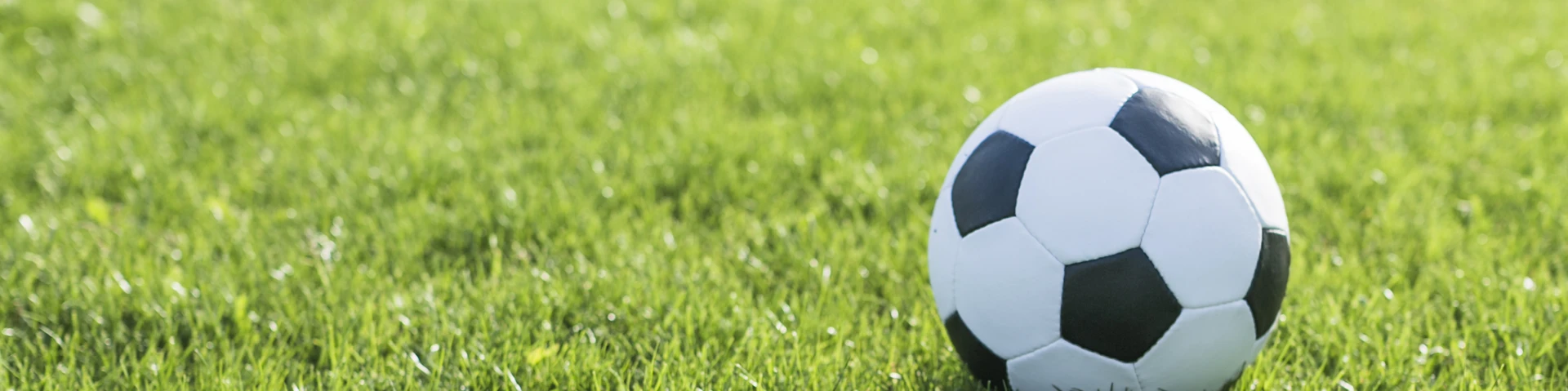
Machine-stitched soccer balls offer several advantages that make them a go-to choice for distributors, wholesalers, and brands.
1. Cost-Effective Production
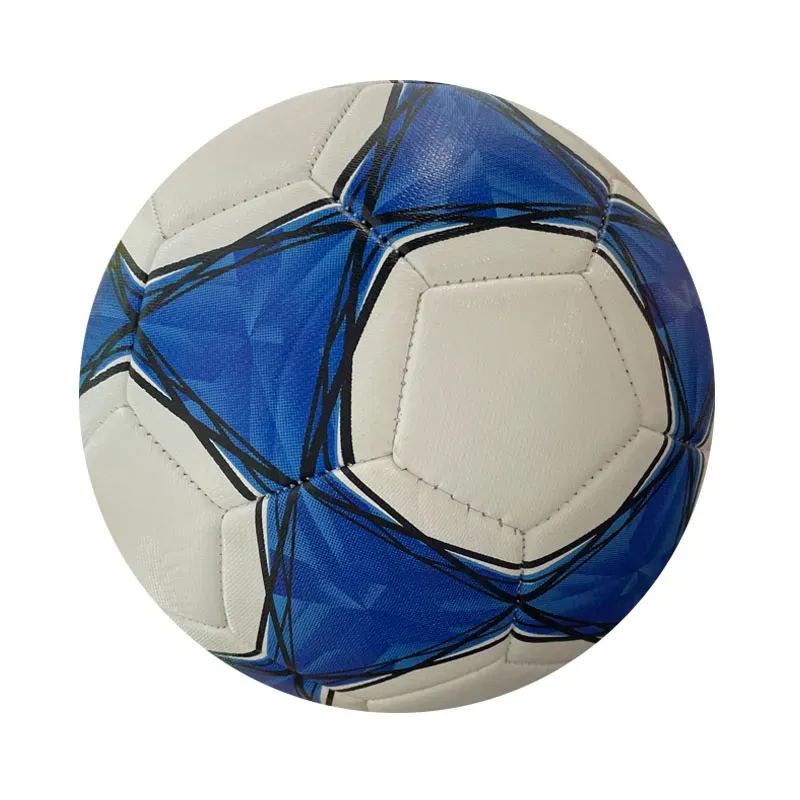
One of the biggest advantages is affordability. Machine stitching reduces labor dependency, allowing manufacturers to produce large volumes at a lower cost. This is especially beneficial for:
- Bulk orders
- Promotional campaigns
- Budget-conscious buyers
2. Consistent Quality
Automated stitching ensures:
- Uniform panel alignment
- Even seam strength
- Reduced human error
This consistency is crucial for brands looking to maintain standardized product quality across large shipments.
3. High Production Efficiency
Machine-based manufacturing significantly increases output speed. Compared to hand stitching, factories can produce thousands of balls daily, making it ideal for global supply chains.
4. Versatile Design Options
Machine-stitched soccer balls support:
- Custom logos and branding
- Vibrant color printing
- Laminated surface textures
This makes them highly suitable for OEM and private label businesses.
5. Lightweight and Suitable for Training
These balls are generally lighter and softer, making them perfect for:
- Youth training
- Beginner players
- Indoor and recreational use
6. Scalable Manufacturing
Machine stitching allows easy scaling of production volumes without compromising consistency. This is particularly valuable for importers and e-commerce sellers who need steady supply.
Materials Used in Machine-Stitched Soccer Ball Manufacturing
The performance and durability of a soccer ball depend heavily on its materials. Machine-stitched balls typically use the following components:
Outer Cover
- PVC (Polyvinyl Chloride) Soccer Ball: Affordable and durable, suitable for entry-level balls
- PU (Polyurethane) Soccer Ball: Softer touch, better performance, often used in mid-range balls
Backing Layers
Multiple layers of polyester or cotton fabric are laminated beneath the outer cover to enhance strength and shape retention.
Bladder
- Rubber bladder: Offers better air retention
- Latex bladder: Provides a softer feel but requires more frequent inflation
Thread
High-strength polyester threads are used in machine stitching to ensure durability and consistent seam quality.
Step-by-Step Machine-Stitched Soccer Ball Manufacturing Process
Understanding the manufacturing workflow can help buyers evaluate suppliers more effectively.
1. Material Preparation
Synthetic leather sheets are prepared, colored, and laminated with backing layers for added strength.
2. Panel Cutting
Precision cutting machines shape the panels into standardized sizes (usually 32 panels for classic designs).
3. Printing and Branding
Logos, patterns, and colors are applied using heat transfer or screen printing techniques.
4. Machine Stitching
Panels are stitched together using high-speed sewing machines. This step defines the ball’s structural integrity.
5. Bladder Insertion
A rubber or latex bladder is inserted inside the stitched cover.
6. Inflation and Shaping
The ball is inflated to its standard size and shape.
7. Quality Inspection
Each ball undergoes testing for:
- Air retention
- Roundness
- Weight compliance
- Visual defects
Applications of Machine-Stitched Soccer Balls
Machine-stitched soccer balls are widely used across different sectors due to their versatility.
1. Schools and Training Academies
Affordable pricing makes them ideal for large-scale use in educational institutions.
2. Promotional and Corporate Gifts
Custom-printed balls are often used for branding and marketing campaigns.
3. Retail and E-commerce
They are popular products on online marketplaces due to their competitive pricing and customization options.
4. Recreational Play
Perfect for casual games in parks, backyards, and indoor spaces.
How to Choose a Reliable Machine-Stitched Soccer Ball Manufacturer
If you are sourcing from overseas or planning to launch your own brand, choosing the right manufacturer is critical.
Key Factors to Consider:
1. Production Capacity
Ensure the supplier can handle your required order volume.
2. Customization Ability
Look for manufacturers offering logo printing, packaging design, and material options.
3. Quality Control System
Check if they have strict inspection procedures and certifications.
4. Experience and Export History
Suppliers with international experience are more reliable in meeting global standards.
5. Sample Availability
Always request samples before placing bulk orders.
Machine-Stitched Soccer Ball vs Thermal Bonded Soccer Ball
Another popular comparison is between machine-stitched and thermal bonded soccer balls.
- Machine-stitched balls: Sewn panels, cost-effective, widely used for training
- Thermal bonded balls: Seamless construction using heat, higher performance, used in professional matches
Thermal bonded balls offer better water resistance and aerodynamics but come at a higher price point.
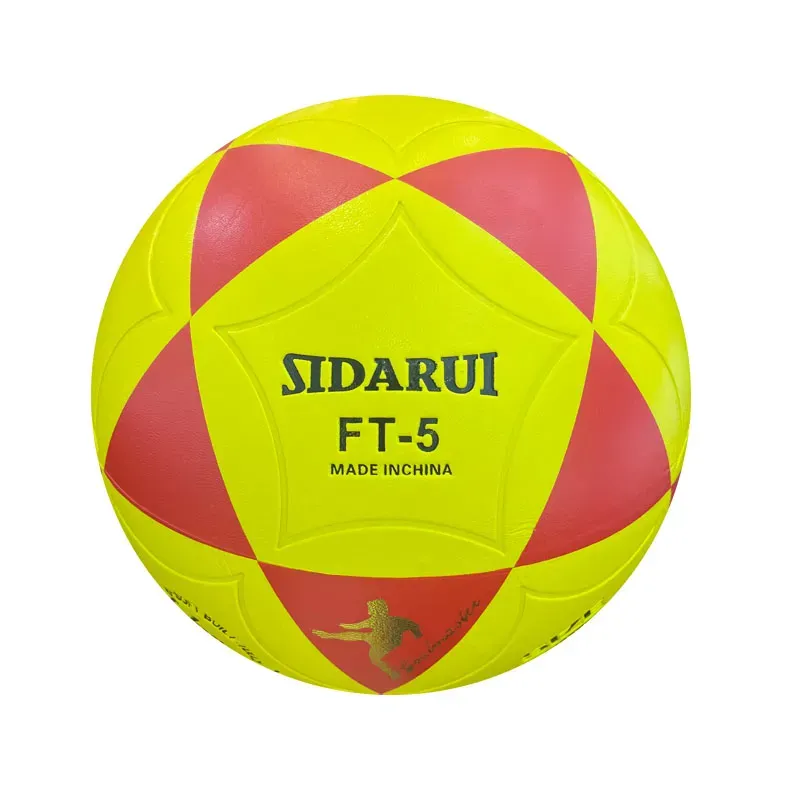
Future Trends in Machine-Stitched Soccer Ball Manufacturing
The industry is evolving with advancements in materials and automation.
Emerging Trends:
- Eco-friendly materials and sustainable production
- Improved stitching technologies for better durability
- Smart soccer balls with embedded sensors
- Enhanced customization for brand differentiation
Manufacturers are continuously innovating to bridge the gap between affordability and performance.
Conclusion
Machine-stitched soccer balls play a crucial role in the global sports equipment market. They offer an excellent combination of affordability, consistency, and scalability, making them ideal for training, retail, and promotional use.
While they may not match the premium quality of hand-stitched or thermal bonded balls, their advantages in mass production and customization make them a preferred choice for businesses and institutions worldwide.
If you are sourcing soccer balls for your brand or distribution channel, understanding the manufacturing process and key differences will help you make informed decisions and maximize your investment.
FAQs About Machine-Stitched Soccer Balls
1. What is a machine-stitched soccer ball?
A machine-stitched soccer ball is made by sewing panels together using automated sewing machines, ensuring consistent quality and cost-effective production.
2. Are machine-stitched soccer balls durable?
Yes, they are durable for training and recreational use, though they may not last as long as hand-stitched balls under heavy play.
3. Which is better: machine-stitched or hand-stitched soccer balls?
It depends on usage. Machine-stitched balls are better for affordability and bulk use, while hand-stitched balls offer premium durability and performance.
4. Can machine-stitched soccer balls be customized?
Yes, they are highly customizable with logos, colors, and branding, making them ideal for promotional purposes.
5. Are machine-stitched soccer balls suitable for professional matches?
They are generally used for training and recreational play rather than professional competitions.