Sep . 04, 2026 17:24
Football is one of the world's most popular sports, enjoyed by professional athletes, school teams, football academies, amateur players, and families. While traditional footballs are commonly made with synthetic leather materials such as PU or PVC, rubber football products offer another practical solution for players who need durability, easy maintenance, and reliable performance in different environments.
A rubber football is designed with a rubber-based outer surface or molded rubber construction that provides excellent resistance to regular impact and wear. Compared with some conventional footballs, rubber models can be particularly suitable for recreational activities, youth training, playground games, school sports programs, and outdoor practice. Their durable construction allows players to use them repeatedly without worrying too much about minor scratches or surface damage.
Modern rubber footballs are available in different sizes, weights, colors, surface textures, and construction methods. Some products are designed specifically for children and beginners, while others are developed for more demanding training applications. For distributors and sporting goods brands, the category also provides opportunities for OEM customization, including logos, colors, patterns, packaging, and product specifications.

Why Choose a Rubber Football for Training and Recreation?
One of the most important advantages of a rubber football is durability. Football training often involves repeated kicking, passing, shooting, dribbling, and contact with different surfaces. A ball used in a schoolyard or recreational environment may come into contact with concrete, asphalt, artificial turf, grass, or other hard surfaces. A well-designed rubber outer layer can help the ball withstand frequent use.
A rubber football ball can also be a practical choice for beginners. New players are often learning basic techniques and may not have precise control over the direction or strength of their kicks. During early training, the ball may be kicked against walls, fences, or other objects. Durable rubber construction can help extend the product's service life under these conditions.
Another advantage is easy maintenance. Rubber surfaces can generally be cleaned relatively easily after outdoor use. Dirt, dust, and grass can accumulate on any football, but a properly finished rubber surface can make routine cleaning more convenient. This is especially useful for schools, sports clubs, camps, and training centers that need to maintain large numbers of footballs.
The versatility of a rubber soccer ball makes it suitable for many applications. In regions where the sport is called soccer, rubber soccer balls are often used for children's games, recreational activities, physical education classes, and basic training. Their combination of affordability and durability can make them attractive to organizations that need equipment for frequent group activities.
The term football rubber is also associated with the material and construction characteristics of these products. Rubber can provide a flexible yet resilient surface, allowing the ball to withstand repeated deformation during impact. Depending on the design, manufacturers can adjust the rubber compound, surface texture, panel structure, and internal bladder to achieve different playing characteristics.
For younger players, a junior rubber football can provide an appropriate introduction to the sport. Junior footballs are usually available in smaller sizes and are designed to be easier for children to handle. Using equipment that matches a child's age and physical development can make basic skills such as passing, shooting, trapping, and dribbling easier to learn.
Rubber footballs can also be useful outside formal matches. Families may use them in gardens, parks, playgrounds, and community spaces. Because they are designed for durability and repeated recreational use, they can serve as an economical option for casual football activities.
Rubber Football Ball Construction, Materials, and Performance
The performance of a rubber football depends on more than the outer material. Manufacturers need to consider the relationship between the outer shell, bladder, panel construction, surface texture, size, weight, and inflation pressure.
A football rubber ball may use a molded rubber exterior that creates a continuous or highly durable surface. Molded construction can reduce the number of seams and provide a consistent appearance. It can also help manufacturers achieve stable dimensions across production batches when appropriate molding and quality-control processes are used.
A rubber molded football is particularly interesting for applications where durability is a priority. During manufacturing, rubber material is shaped using molds to create the desired spherical form. The process can support consistent product dimensions and allow manufacturers to produce different surface patterns or textures.
Surface texture is another important consideration. A textured rubber surface can improve handling by providing players with additional grip when controlling or passing the ball. Different textures may also influence how the ball interacts with the foot and playing surface.
The internal bladder plays an important role in maintaining air pressure. A good bladder should provide reliable air retention and help the football maintain its shape during repeated use. Manufacturers may use different bladder materials depending on the intended application, price level, and performance requirements.
Size and weight are equally important. A standard adult football is different from a junior model, and choosing the appropriate size can significantly affect the player's experience. Younger children generally benefit from lighter and smaller footballs because they are easier to control and kick.
A rubber ball football should also maintain a reasonably consistent spherical shape. Consistent shape is important because irregular deformation can affect the direction and predictability of the ball. Quality-control procedures may therefore include checks for circumference, roundness, weight, inflation pressure, surface defects, and air retention.
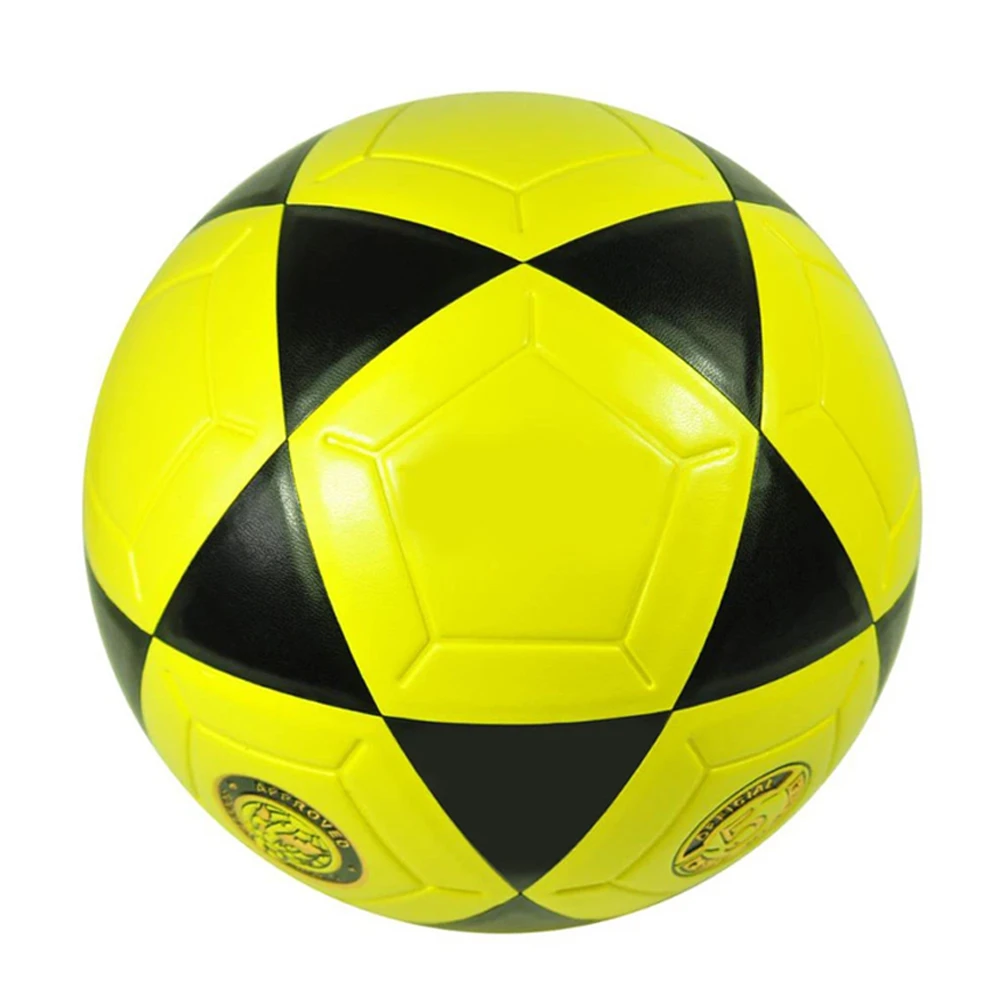
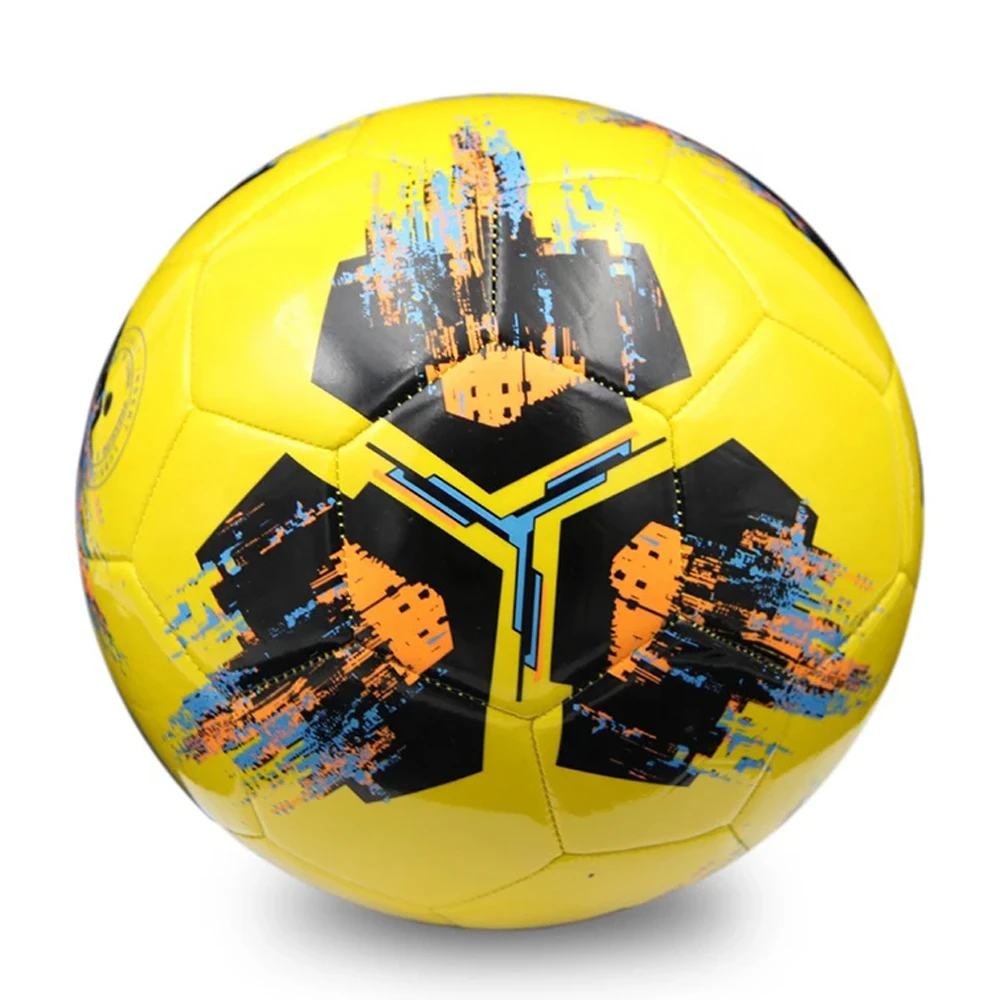
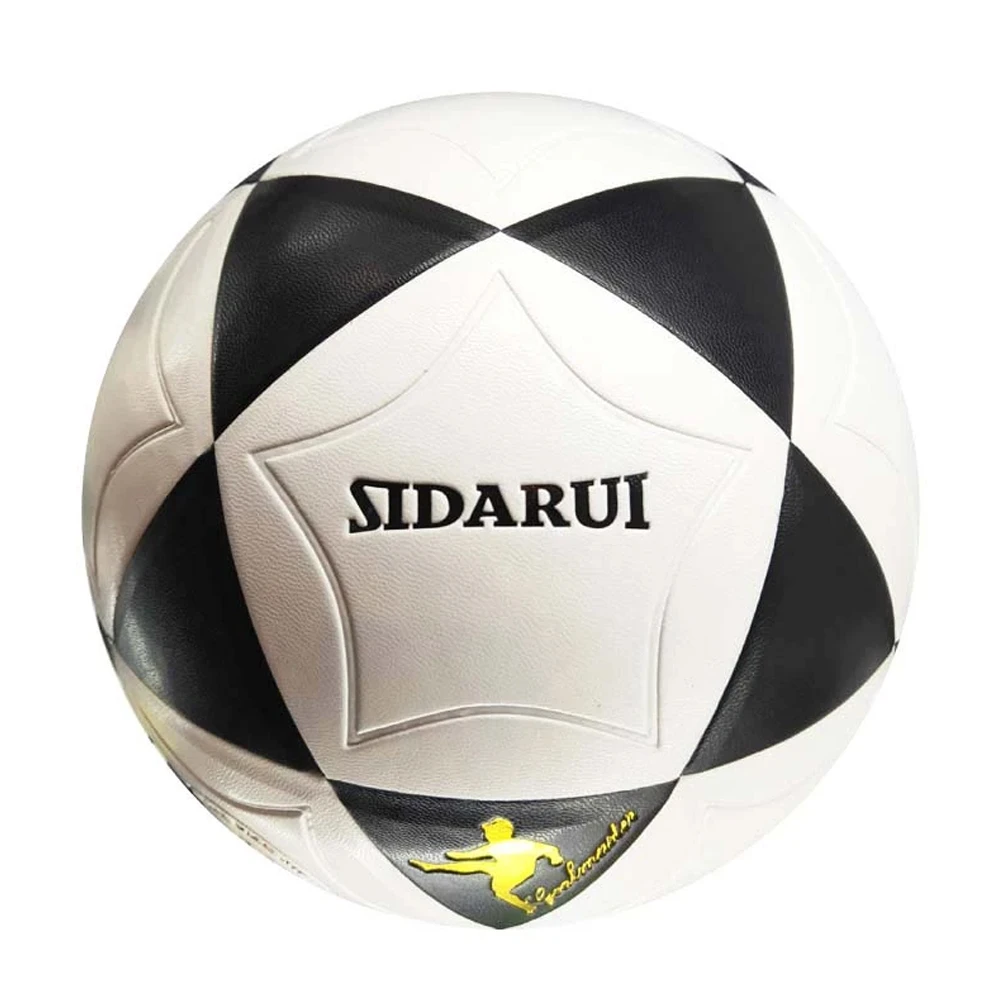
Rubber footballs can be produced in a wide range of colors and designs. Bright colors can improve visibility during outdoor activities, while customized graphics can help brands create distinctive products. For schools, clubs, and sports organizations, logos and team colors can be incorporated into the design to create customized equipment.
Another important factor is the intended playing environment. A ball designed primarily for indoor recreational activities may have different requirements from one intended for outdoor training. Buyers should communicate their target application clearly to manufacturers so that the material and construction can be selected accordingly.
For sporting goods distributors, product packaging is another opportunity for customization. Manufacturers may provide individual boxes, mesh bags, retail packaging, multi-ball cartons, or customized packaging according to customer requirements. This flexibility makes rubber football products suitable for both retail sales and bulk institutional purchasing.
How to Select the Right Rubber Football for Different Users
Selecting the right rubber football starts with understanding who will use it and where it will be played. A school purchasing footballs for physical education classes may prioritize durability and affordability, while a football academy may place greater emphasis on ball control and consistent performance.
For children and beginners, a junior rubber football is often an appropriate option. Its smaller size and manageable weight can make it easier for young players to practice fundamental techniques. Parents, schools, and youth sports organizations should select the size according to the player's age group and training requirements.
For general recreational use, a rubber football ball with durable construction can be a practical choice. Recreational users may not require the same specifications as professional competition players, but they still need a product that can withstand frequent kicking and outdoor use.
For intensive school or academy training, buyers should pay attention to surface durability, bladder quality, stitching or molding construction, and pressure retention. If the ball will be used every day, investing in a stronger construction can reduce replacement frequency over time.
A rubber soccer ball can also be attractive to retailers because it serves a broad consumer market. Retailers can offer different sizes and designs for children, teenagers, adults, and recreational users. Bright colors, customized patterns, and branded designs can further increase product appeal.
When sourcing products from manufacturers, buyers should ask for detailed specifications. Important information may include:
Ball size and circumference
Product weight
Outer rubber material
Molded or stitched construction
Bladder material
Surface texture
Recommended inflation pressure
Applicable playing surfaces
Available colors and patterns
Logo and OEM customization options
Packaging specifications
A reliable manufacturer should be able to provide clear product information and quality-control standards. For bulk orders, buyers may also request samples before placing a large production order. Sample testing allows customers to evaluate the ball's appearance, grip, bounce, durability, and overall construction.
The demand for durable sporting equipment continues to create opportunities for rubber football products. From school physical education and youth academies to recreational activities and sporting goods retail, these products can meet the needs of users who value durability and versatility.
A well-designed rubber molded football can combine strong construction with consistent shape and attractive customization possibilities. Meanwhile, traditional rubber-based football products remain popular because they are practical, easy to maintain, and suitable for frequent use.
Ultimately, the best football depends on the intended application. Professional competition may require specialized match-ball technology, while schools, families, beginners, and recreational players may benefit from the durability and affordability of rubber construction. With appropriate materials, reliable manufacturing processes, and careful quality control, a rubber football can provide a dependable solution for everyday football activities.
As the global sports market continues to expand, manufacturers are developing increasingly diverse rubber football products to meet different customer requirements. Whether buyers need a durable training ball, a colorful children's product, a customized promotional football, or a bulk supply for schools and clubs, rubber footballs offer a flexible combination of performance, durability, and commercial value.