Mar . 09, 2026 15:54
The soccer ball is the centerpiece of the world’s most popular sport. From professional stadiums to neighborhood playgrounds, players rely on high-quality balls to enjoy the game and improve their skills. Over the years, innovations in materials and manufacturing have transformed the soccer ball from a simple leather sphere into a highly engineered sports product.
Modern balls are designed with performance, durability, and visibility in mind. Today, you can find balls in many colors such as white soccer ball, orange soccer ball, red soccer ball, and yellow soccer ball, each suited for different playing environments. At the same time, materials like the synthetic leather soccer ball have significantly improved durability and water resistance compared to older designs.
Whether you are buying a youth soccer ball, looking for a turf soccer ball, or exploring reliable manufacturers like soccer ball china, understanding ball design and soccer ball quality is essential for choosing the right product.
Soccer Ball Colors, Design, and Modern Innovations
The appearance of a soccer ball has changed greatly over time. Early balls were simple and dark in color, but modern balls are designed with both performance and visibility in mind.
The Traditional Soccer Ball
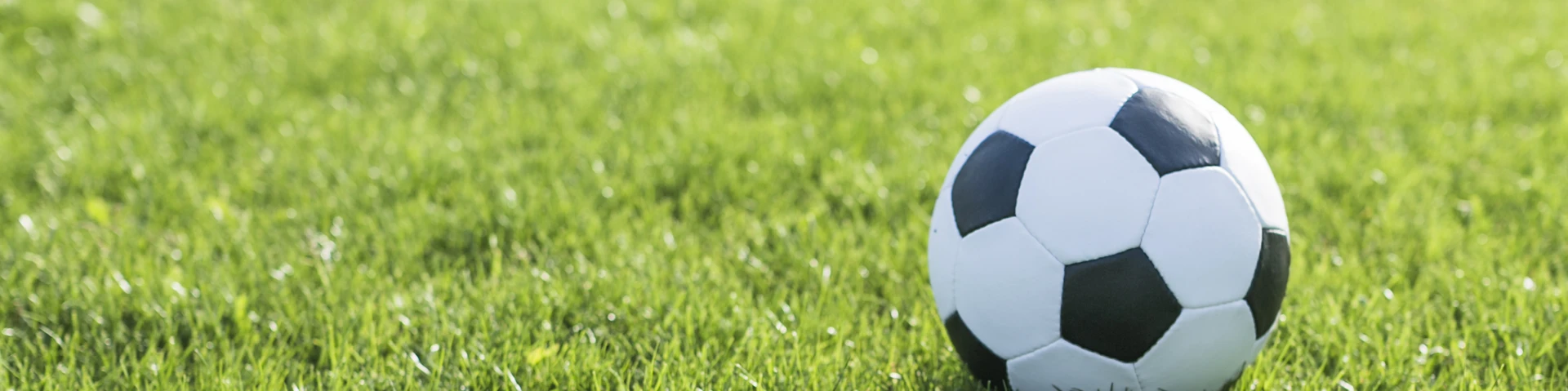
The traditional soccer ball most people recognize features a black-and-white pattern made up of pentagonal and hexagonal panels. This iconic design became popular because it offered high visibility during televised matches.
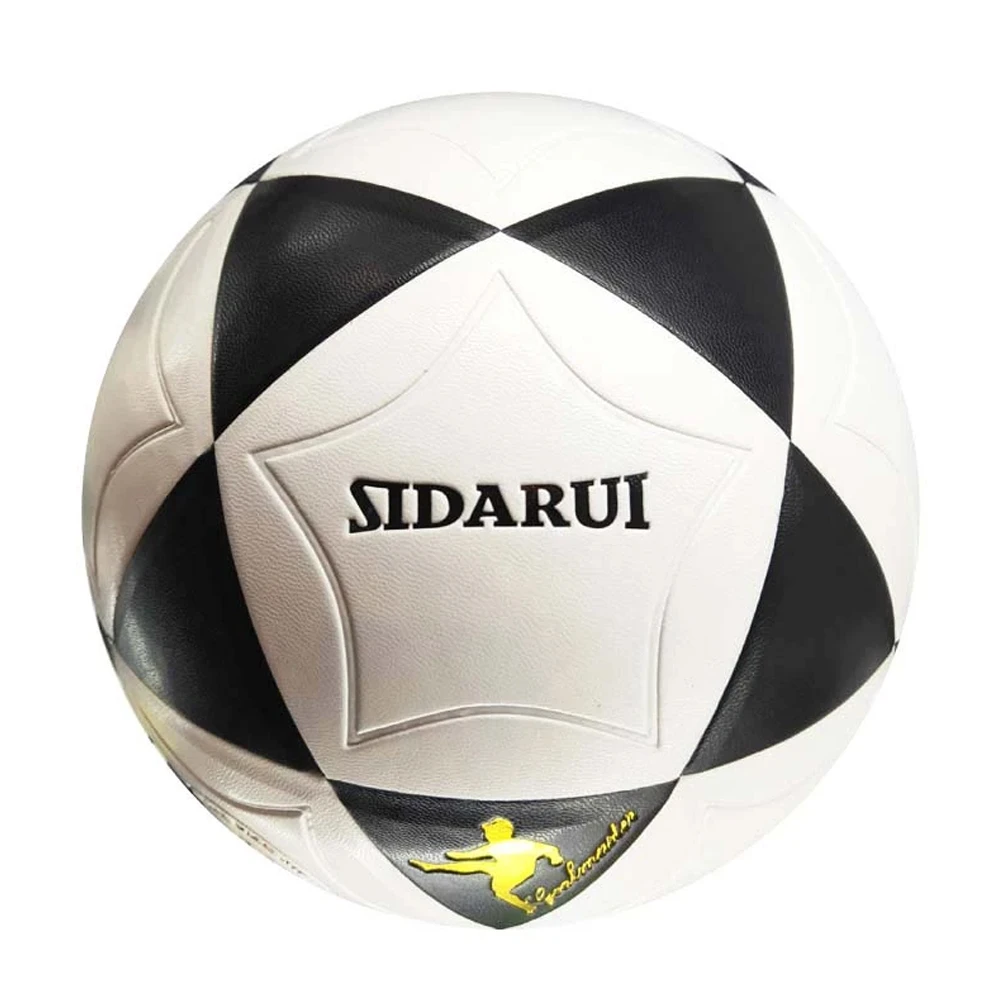
The classic look is still widely used today, and the white soccer ball remains the most common choice for professional competitions. The bright color contrasts well with green grass fields, making it easier for players and fans to track the ball during play.
Soccer Ball Color Variations
While white remains the standard, other colors are often used for specific conditions or style preferences.
1、Orange soccer ball – Commonly used in snowy or winter conditions because the bright color stands out against snow-covered fields.
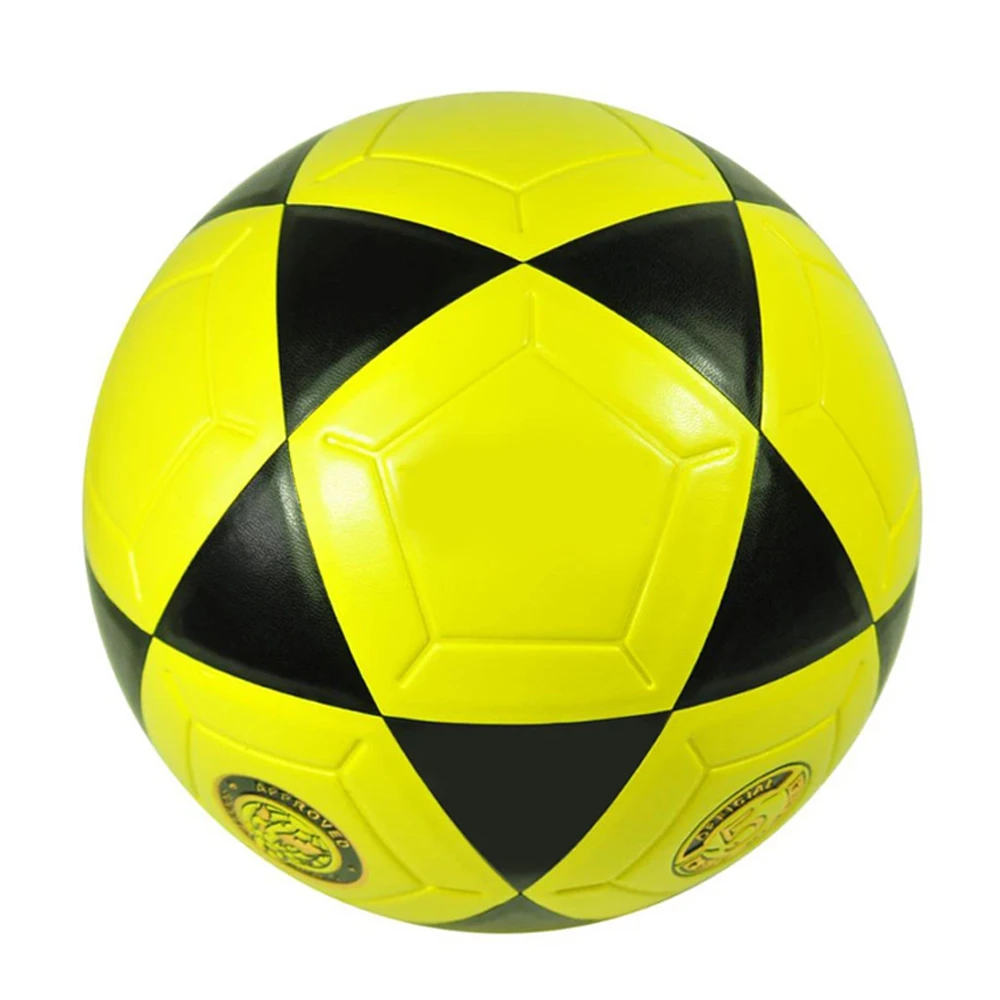
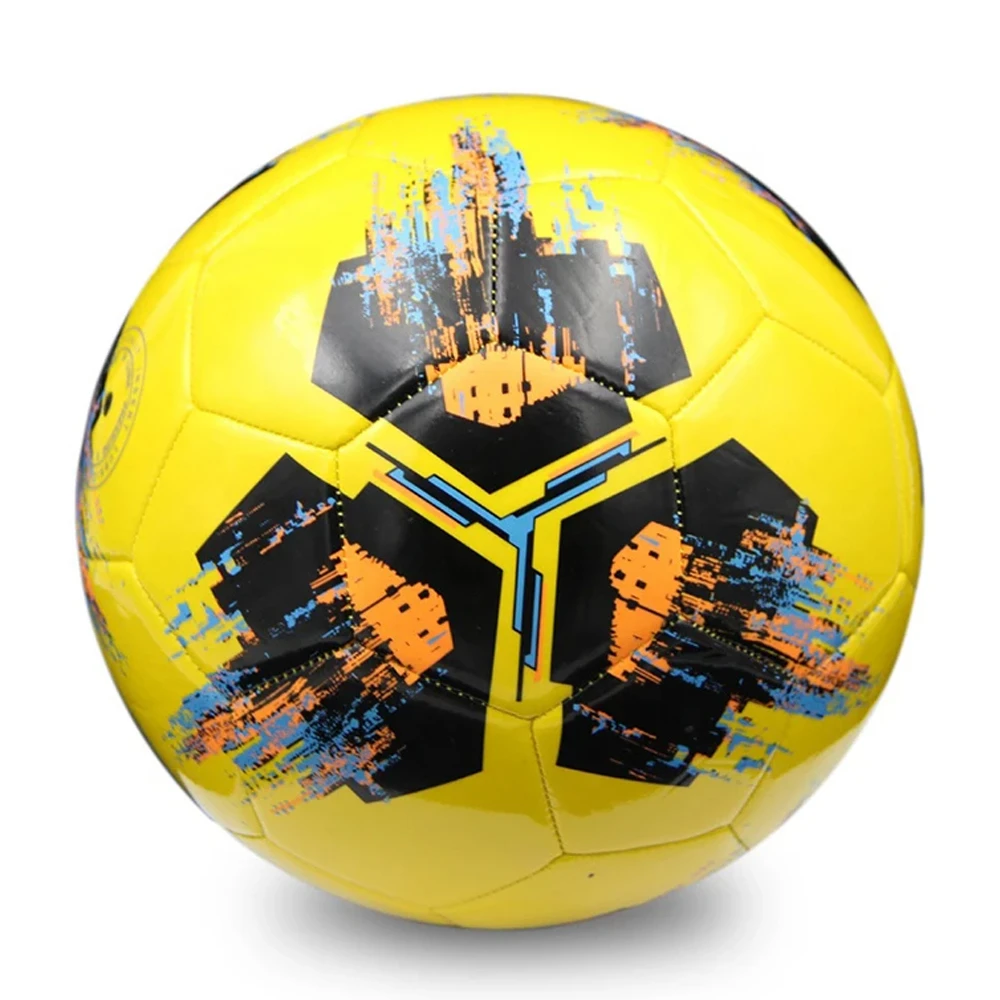
2、Yellow soccer ball – Highly visible in low-light or cloudy conditions, making it popular for training sessions.
3、Red soccer ball – Often used for promotional events, limited editions, or team-themed equipment.
These color variations not only improve visibility but also allow teams and brands to create unique designs.
Virtual Soccer Ball in Digital Training
Technology has also introduced the concept of a virtual soccer ball. In digital games, simulation software, and virtual training environments, players can practice strategies and skills using digital models of real soccer balls.
While a virtual ball cannot replace real training, it has become a valuable tool for coaching analysis and e-sports competitions.
Soccer Balls in Retail and Sports Stores
Many sports retailers offer a wide range of products such as sportscene soccer balls, which include training balls, match balls, and youth models. These balls often feature modern graphics and durable materials that appeal to players of all ages.
Retail collections typically include balls designed for different playing surfaces and skill levels, giving customers many options to choose from.
Materials, Playing Surfaces, and Soccer Ball Quality
Beyond appearance, the material and construction of a ball greatly influence performance. Modern manufacturing techniques have improved soccer ball quality, allowing balls to last longer and perform more consistently.
Synthetic Leather Soccer Ball
Most modern balls are made from synthetic leather soccer ball materials instead of natural leather. Synthetic leather offers several advantages:
Better resistance to water absorption
Improved durability
Consistent shape retention
Enhanced ball control
These features make synthetic leather the preferred material for professional and recreational soccer balls alike.
Turf Soccer Ball for Artificial Fields
A turf soccer ball is designed specifically for artificial grass surfaces. Turf fields are more abrasive than natural grass, so balls used on these surfaces must be more durable.
Turf balls usually feature reinforced outer layers that resist wear and tear while maintaining smooth movement on artificial surfaces.
Youth Soccer Ball for Young Players
A youth soccer ball is designed for younger players who are still learning the game. These balls are typically lighter and smaller than standard match balls.
Using the right ball size and weight helps children develop proper technique, coordination, and confidence during practice and games.
Soccer Ball China Manufacturing Industry
In recent years, soccer ball china manufacturers have become major suppliers to the global sports equipment market. Many factories specialize in producing high-quality soccer balls for international brands, schools, clubs, and retailers.
Chinese manufacturers often provide advantages such as:
Competitive pricing
Custom design options
Large production capacity
Global export capabilities
Because of these factors, many teams and distributors around the world source their soccer balls from Chinese factories.
Key Factors That Affect Soccer Ball Quality
When evaluating soccer ball quality, several important factors should be considered:
Material – High-quality synthetic leather improves durability and touch.
Construction method – Hand-stitched balls are often stronger and more durable.
Panel design – Advanced panel structures improve aerodynamics and ball control.
Inner bladder – A high-quality bladder helps maintain air pressure and shape.
A well-made ball not only performs better but also lasts longer, making it a better investment for players and teams.
From the classic traditional soccer ball to modern innovations like the synthetic leather soccer ball, the design of the soccer ball has evolved significantly over the years. Today’s balls combine advanced materials, precise construction, and eye-catching colors such as white soccer ball, orange soccer ball, yellow soccer ball, and red soccer ball to enhance both performance and visibility.
Players can choose specialized options such as the turf soccer ball for artificial fields or a youth soccer ball designed for younger athletes. At the same time, global suppliers like soccer ball china manufacturers continue to improve production quality and provide reliable equipment for teams and retailers worldwide.
Whether you are purchasing from retailers offering sportscene soccer balls or exploring modern digital tools like the virtual soccer ball, understanding the key factors behind soccer ball quality will help you select the right ball for training, competition, and recreation.
FAQ About Soccer Ball Colors and Quality
1. Why do soccer balls come in colors like orange, red, yellow, and white?
Colors such as orange soccer ball, red soccer ball, yellow soccer ball, and white soccer ball improve visibility in different environments. For example, orange balls are easier to see in snowy conditions, while white balls are standard for professional matches.
2. What is a synthetic leather soccer ball?
A synthetic leather soccer ball is made from durable artificial materials that resist water absorption and maintain shape better than traditional leather balls.
3. What is the difference between a turf soccer ball and a regular soccer ball?
A turf soccer ball is designed for artificial grass surfaces and has a stronger outer layer to withstand abrasion from synthetic turf.
4. Why are many soccer balls manufactured in China?
The soccer ball china industry has advanced manufacturing technology, large production capacity, and competitive pricing, making it a major global supplier.
5. How can you tell if a soccer ball has good quality?
High soccer ball quality depends on factors such as durable materials, strong stitching, balanced panel design, and a reliable inner bladder that maintains air pressure.