Mar . 09, 2026 15:59
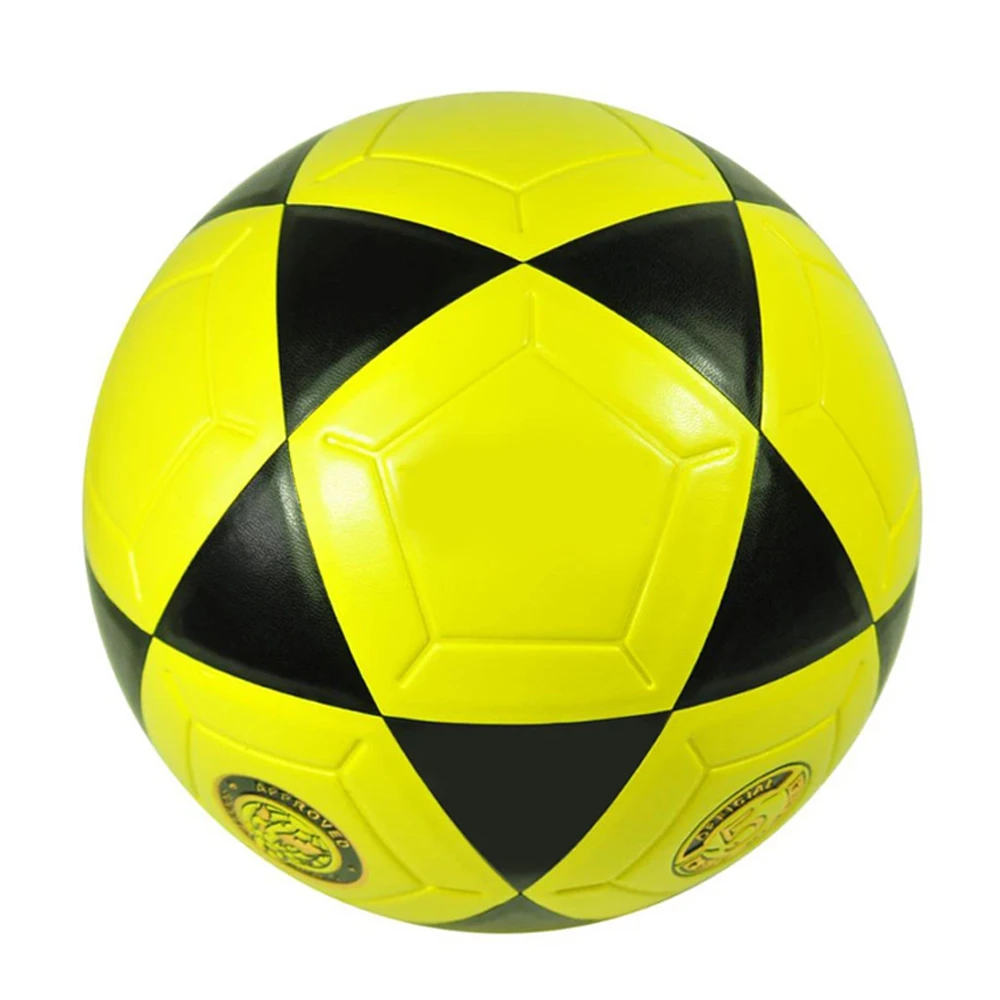
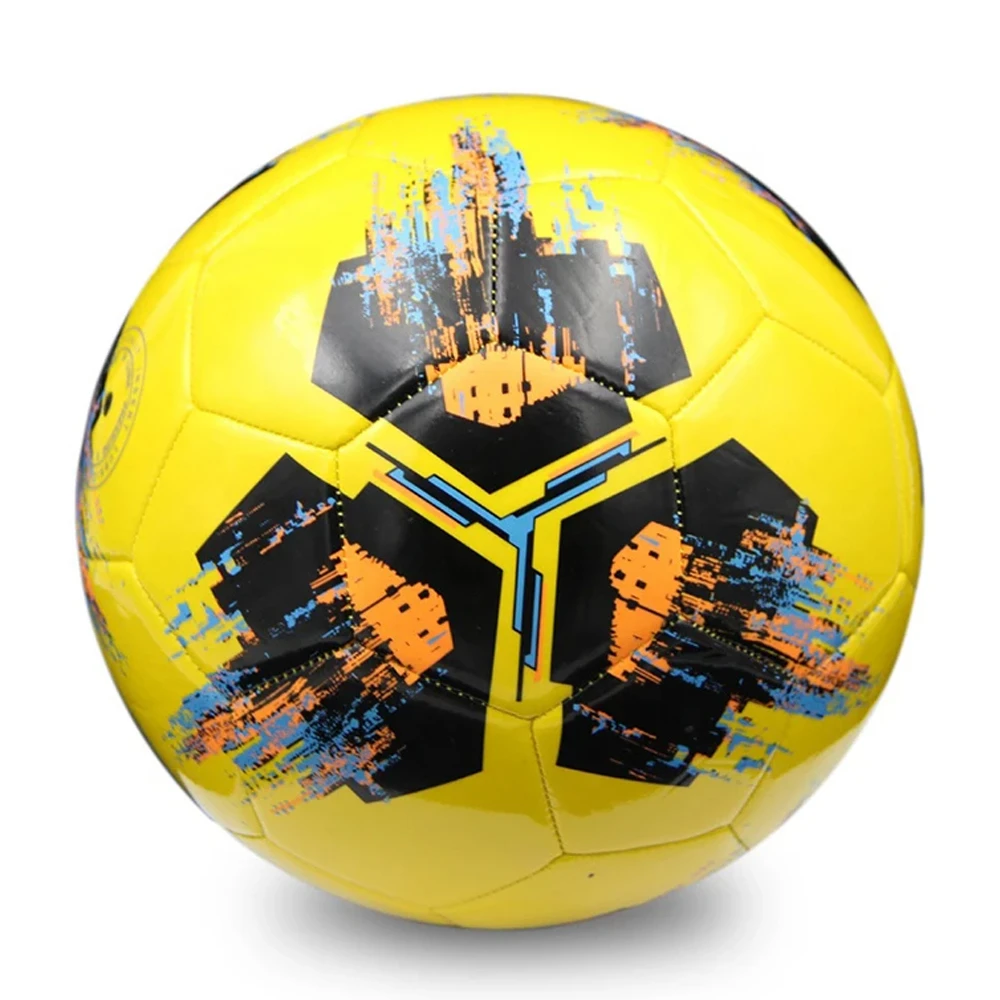
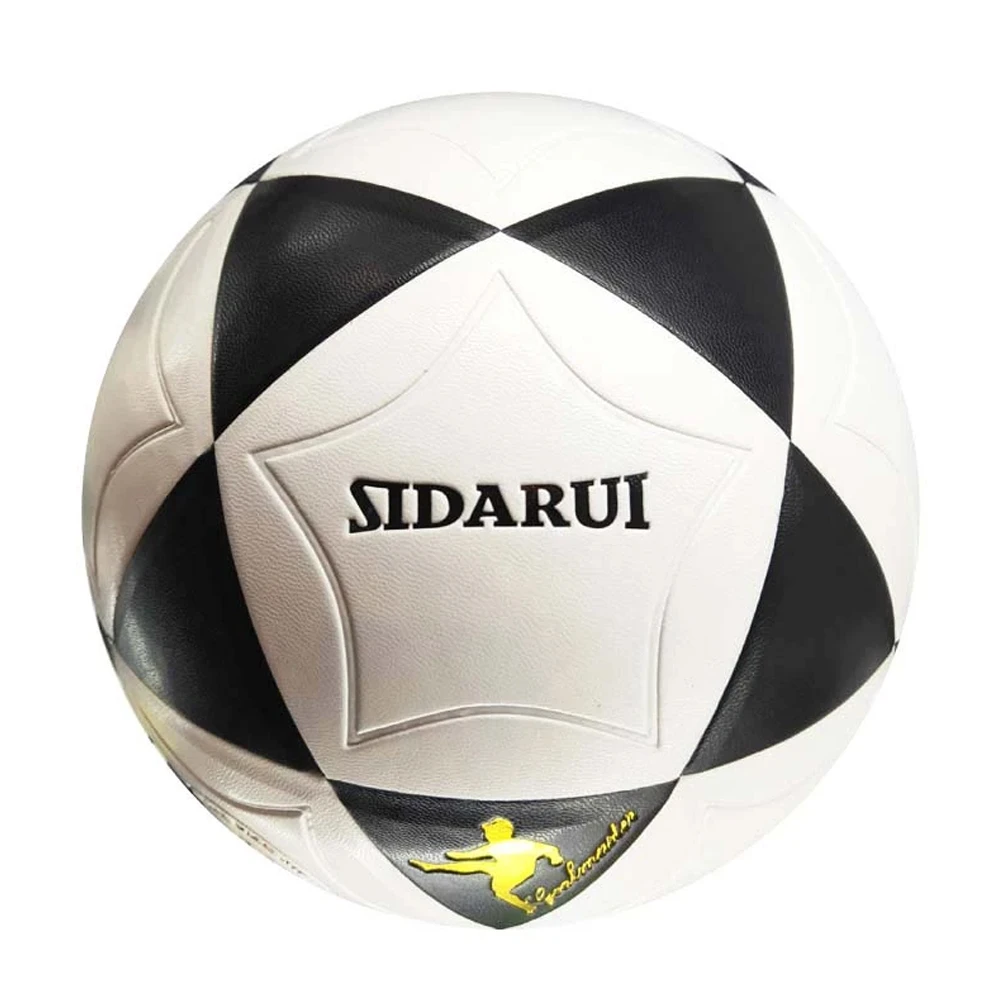
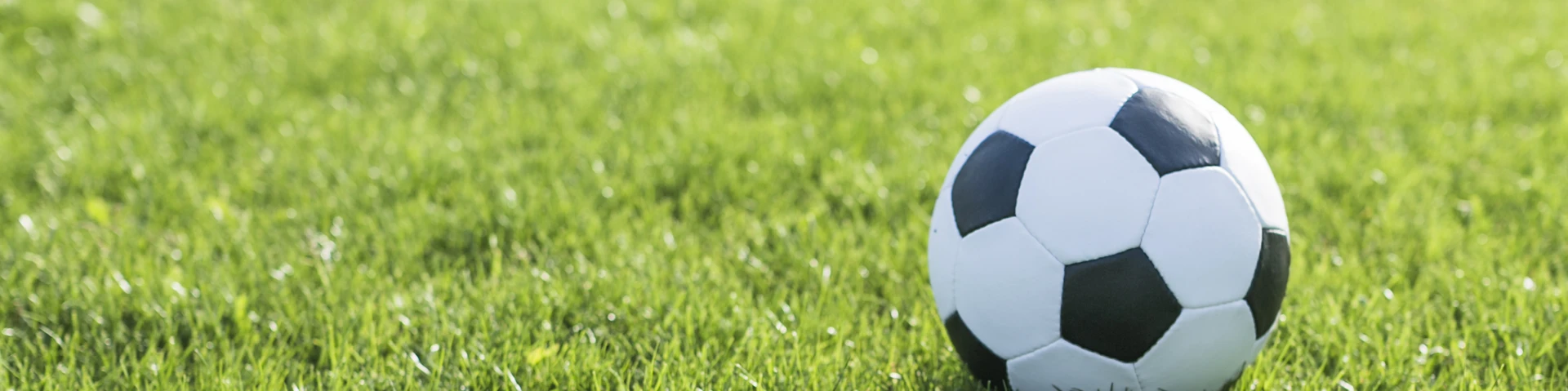
The soccer ball is the most essential piece of equipment in the world’s most popular sport. From professional stadiums to neighborhood parks, millions of players rely on well-engineered soccerballs to practice, compete, and improve their skills. Over the years, modern soccer ball design has evolved to meet different playing environments, skill levels, and age groups.
Today, there are many types of balls available, including match balls, practice soccer balls, indoor soccer ball options, and the increasingly popular futsal soccer ball. In addition, balls come in different sizes such as soccer ball 3, soccer ball 4, and soccer ball 5, ensuring players of all ages can enjoy the game comfortably and safely. Whether you are looking for a training ball, a soccer skills ball, or planning a bulk order soccer balls for a team or club, understanding these differences will help you make the right choice.
Understanding Soccer Ball Design and Types
Modern soccer ball design focuses on durability, aerodynamics, and control. Manufacturers combine advanced materials and panel structures to create balls that perform well in different conditions.
Match Balls for Professional Play
Match balls are designed for official games and professional competitions. These balls are made with high-quality materials such as premium synthetic leather and advanced panel bonding technology. Their construction ensures excellent balance, accurate flight, and consistent bounce.
Professional match balls are tested to meet strict performance standards. Because of their superior quality, they are typically more expensive than training balls.
Practice Soccer Balls for Training
While match balls are used in official games, practice soccer balls are designed for daily training sessions. They are built to withstand frequent use on various surfaces, including grass, artificial turf, and playgrounds.
Training balls often feature reinforced stitching and thicker outer layers, making them highly durable. For clubs and schools that require multiple balls for practice sessions, bulk order soccer balls is a cost-effective solution.
Indoor Soccer Ball and Futsal Soccer Ball
Different playing environments require specialized balls.
An indoor soccer ball is specifically designed for use in gymnasiums or indoor arenas. These balls usually have a softer outer surface to prevent damage to floors and walls while offering better control in tight spaces.
A futsal soccer ball, commonly used in futsal matches, has a lower bounce compared to standard soccer balls. This design allows players to maintain better control during fast-paced games played on hard indoor courts.
Soccer Skills Ball for Training Techniques
A soccer skills ball is often used in technical training sessions. These balls may be smaller or specially weighted to help players improve foot control, dribbling precision, and passing accuracy.
Coaches frequently use skills balls in youth academies and professional training programs to help players refine their techniques.
Soccerballs for Recreational Use
Many people simply want a reliable ball for casual games with friends or family. Recreational soccerballs are typically affordable, durable, and suitable for a variety of surfaces.
You might even see variations or misspellings like soccket ball online when people search for casual soccer equipment, highlighting how widespread the interest in the sport has become.
Soccer Ball Sizes and Choosing the Right Ball
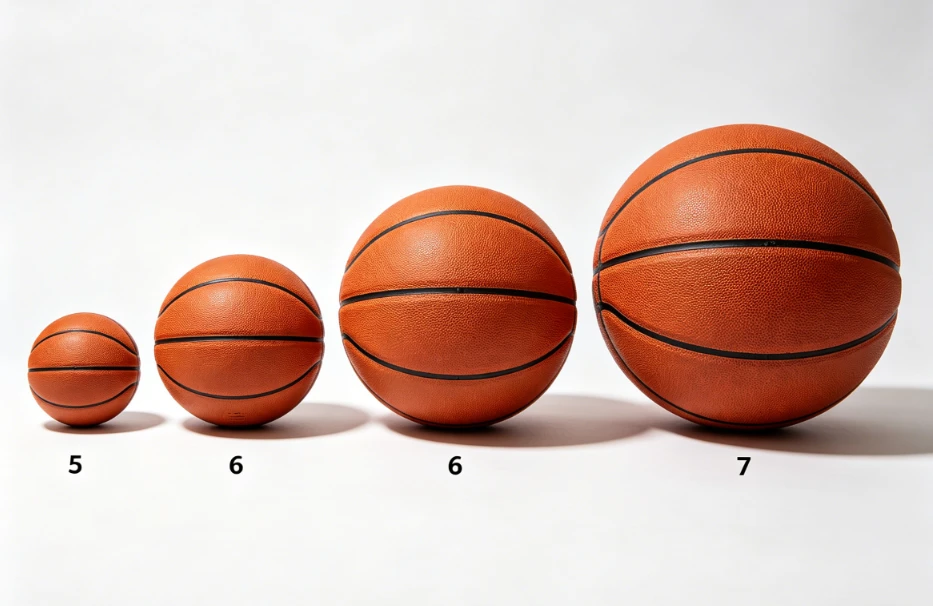
Choosing the correct size is a critical part of selecting the right soccer ball. Different sizes are designed for specific age groups and training purposes.
Soccer Ball 3 – For Young Children
The soccer ball 3 is designed for young children under the age of eight. It is smaller and lighter than standard balls, making it easier for beginners to control and kick.
Using the right size ball helps children develop coordination and confidence when learning the game.
Soccer Ball 4 – Youth Training Ball
The soccer ball 4 is commonly used by players between the ages of 8 and 12. It offers a slightly larger size and weight compared to size 3 but is still manageable for young players.
Youth leagues and school teams often use this size for training and competition.
Soccer Ball 5 – Official Match Size
The soccer ball 5 is the official size used in professional matches and by players aged 12 and above. This is the standard ball used in most competitive leagues around the world.
Because of its size and weight, players typically transition to size 5 once they have developed basic skills and strength.
Selecting the Right Ball for Your Needs
When choosing the right ball, consider several factors:
Playing environment – Indoor courts require an indoor soccer ball, while outdoor fields are better suited for standard balls.
Player age – Choose between soccer ball 3, soccer ball 4, or soccer ball 5 depending on the player’s age.
Purpose – Decide whether you need match balls, practice soccer balls, or a soccer skills ball.
Quantity – Teams and clubs may benefit from bulk order soccer balls to reduce costs and ensure consistent equipment.
By understanding these factors, players and coaches can choose the right equipment to improve performance and enjoy the game more effectively.
The world of soccer equipment is more diverse than many people realize. From advanced soccer ball design used in professional match balls to specialized options like the futsal soccer ball and indoor soccer ball, each type of ball serves a specific purpose.
Understanding ball sizes such as soccer ball 3, soccer ball 4, and soccer ball 5 is essential for players at different stages of development. Training tools like the soccer skills ball also play an important role in improving technique and control.
Whether you are a coach purchasing practice soccer balls, a club planning a bulk order soccer balls, or simply someone looking for a reliable soccer ball for recreational play, selecting the right ball can greatly enhance the soccer experience. With the right equipment, players of all ages can enjoy the excitement and challenge of the beautiful game.
FAQ About Soccer Ball Design and Types
1. What is the difference between match balls and practice soccer balls?
Match balls are designed for official games and offer precise flight and balance, while practice soccer balls are built for durability and frequent training sessions.
2. What is the difference between an indoor soccer ball and a futsal soccer ball?
An indoor soccer ball is made for indoor arenas with softer materials, while a futsal soccer ball has a reduced bounce and is designed for fast futsal matches on hard courts.
3. What size soccer ball should children use?
Children under eight typically use soccer ball 3, while players aged 8–12 use soccer ball 4. Older players and professionals use soccer ball 5.
4. Why do teams order soccerballs in bulk?
Clubs and schools often place bulk order soccer balls to reduce costs and ensure they have enough equipment for training sessions and matches.
5. What is a soccer skills ball used for?
A soccer skills ball is used in training to improve dribbling, ball control, and foot coordination, helping players develop stronger technical abilities.