Mar . 11, 2026 11:28
Volleyball is a dynamic and widely played sport that requires high-quality equipment to ensure enjoyable gameplay and consistent performance. Among all equipment used in the sport, the ball volleyball plays the most critical role. From professional tournaments to casual recreational games, different types of ball in volleyball are designed to meet specific playing conditions, skill levels, and environments.
Modern volleyballs are produced in a variety of materials, colors, and sizes, including the standard volleyball ball, sand volleyball ball, and training balls such as the small volleyball ball. Sports organizations and schools often compare the volleyball ball original price when purchasing equipment, while retailers frequently collaborate with a reliable volleyball ball company to ensure quality and durability.
Understanding the different types, materials, and measurement of ball in volleyball helps players, coaches, and buyers choose the most suitable volleyball for their needs.
Common Types of Ball in Volleyball
There are several types of ball in volleyball, each designed for a specific purpose such as indoor matches, beach games, or beginner training. Choosing the correct ball can improve performance, safety, and enjoyment of the game.
Standard Volleyball Ball
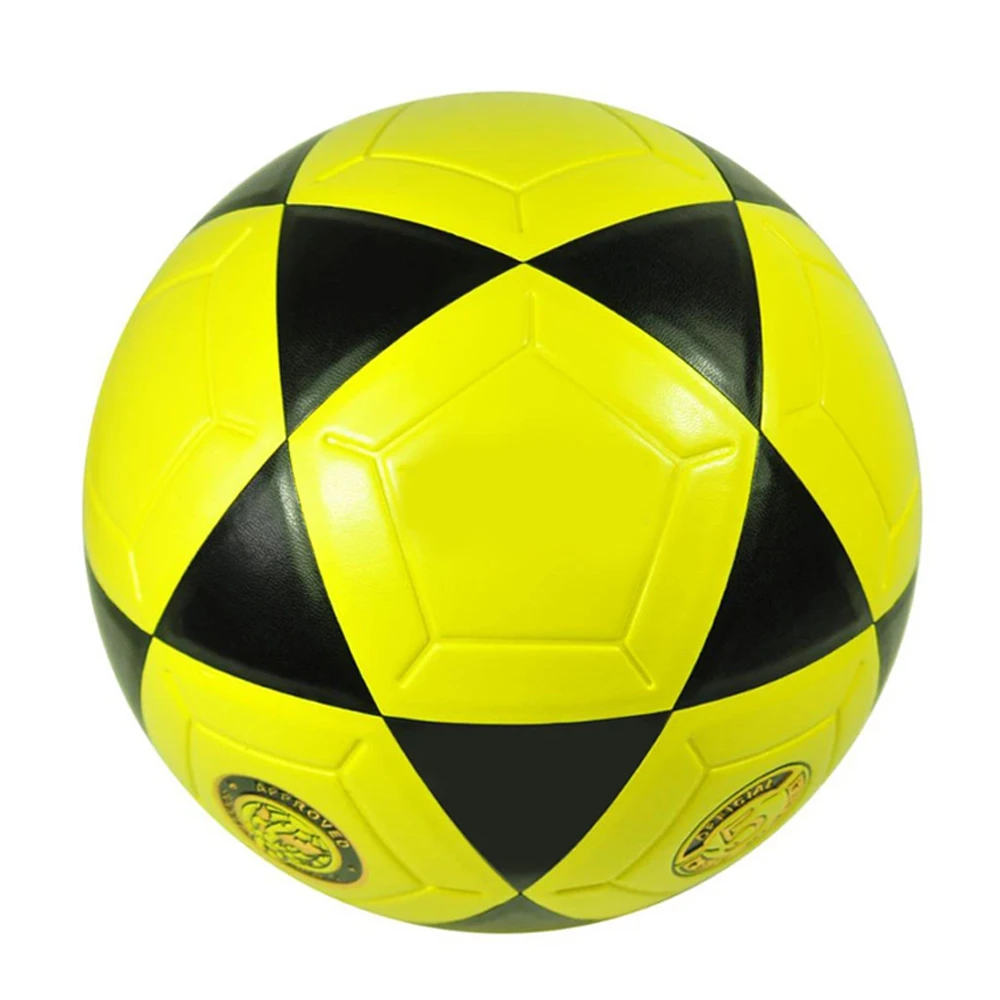
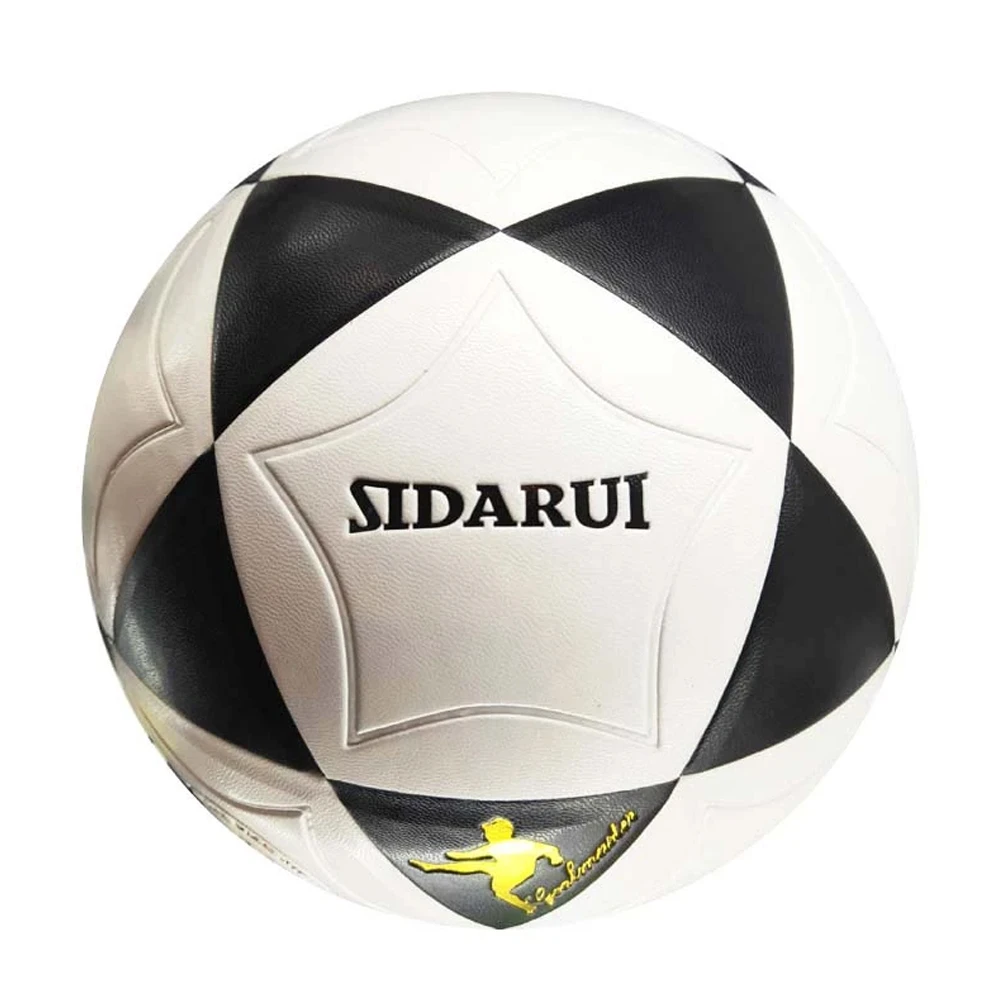
The standard volleyball ball is the most commonly used ball in professional indoor matches. It is usually made from synthetic leather panels stitched together and designed to provide balanced flight and durability. This type of ball is used in schools, professional leagues, and official competitions.
Because of its stable design and reliable bounce, the solid ball volleyball construction ensures that players can execute precise passes, sets, and spikes.
Sand Volleyball Ball
A sand volleyball ball is specifically designed for outdoor beach games. It is often softer and slightly larger than indoor volleyballs to improve control in windy conditions and on sandy surfaces.
Beach volleyball balls are also more resistant to moisture and sunlight, making them suitable for extended outdoor use. Many recreational players prefer a soft outdoor volleyball when playing on beaches or outdoor courts because it reduces the impact on hands during long matches.
Soft Volleyball for Beginners
Training programs for children and beginners often use a soft volley ball or small volleyball ball. These balls are lighter and easier to control, helping new players learn basic techniques such as serving, passing, and setting.
A small volleyball ball is especially useful in youth training sessions where developing coordination and confidence is important. The softer material also reduces the risk of injury for younger athletes.
Decorative and Specialty Volleyballs
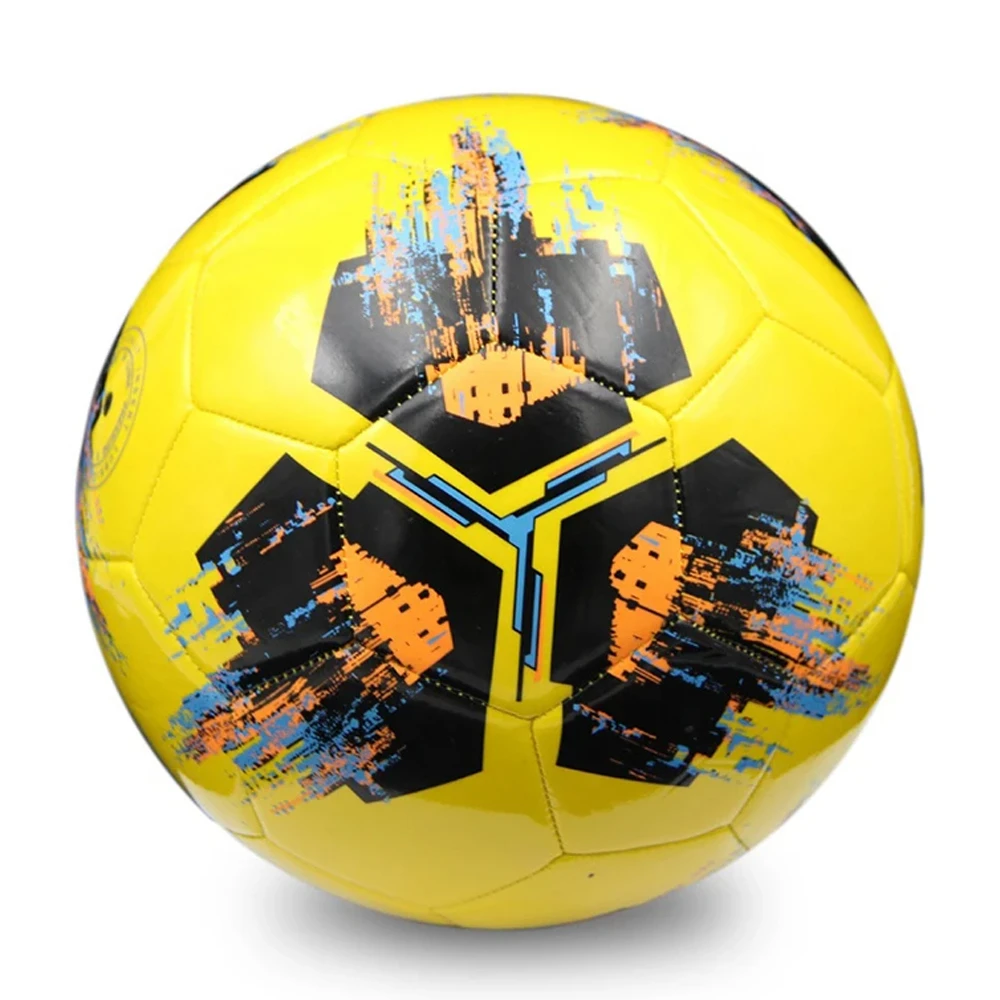
Beyond standard training and competition balls, manufacturers produce creative designs such as the tie dye volleyball, which is popular for recreational beach games and casual events.
In addition, some novelty training tools include the tri ball volleyball, which is sometimes used in specialized drills to help players improve reaction time and ball control.
Classic and Retro Volleyball References
In discussions about classic sports games, the term volley ball nes may appear, referring to early video game versions of volleyball. While not a physical ball, it demonstrates how volleyball culture has expanded into digital entertainment.
Volleyball Measurements, Manufacturing, and Price Factors
Selecting the right volleyball also requires understanding the official size, weight, and construction standards used in the sport.
Measurement of Ball in Volleyball
The official measurement of ball in volleyball is regulated by international sports organizations to maintain fairness and consistency in competitions.
A typical professional volleyball has:
Circumference: 65–67 cm
Weight: 260–280 grams
Internal pressure: approximately 0.30–0.325 kg/cm²
These measurements ensure that the standard volleyball ball performs consistently during gameplay. Accurate measurement of ball in volleyball is essential for professional tournaments and training environments.
Material and Construction
Volleyballs are usually made from multiple stitched or molded panels surrounding a rubber bladder that holds air. High-quality construction ensures durability, balanced flight, and long-lasting performance.
Some manufacturers design solid ball volleyball models with reinforced layers that maintain shape even after extensive use. These durable balls are often preferred by sports clubs and training facilities.
Volleyball Ball Company and Manufacturing
A reputable volleyball ball company focuses on producing durable and high-performance equipment. These companies typically manufacture multiple types of volleyballs, including indoor balls, sand volleyball ball models, and training balls such as soft outdoor volleyball designs.
Quality control is an essential part of production. Professional manufacturers test each ball for air retention, durability, and consistent weight distribution to ensure reliable performance during matches.
Price and Market Considerations
The volleyball ball original price depends on several factors:
Material quality
Manufacturing process
Brand reputation
Intended usage (training or competition)
Training balls such as soft volley ball models are often more affordable, while professional match balls with advanced materials can cost significantly more.
Sports clubs and schools often compare the volleyball ball original price when purchasing equipment in larger quantities to ensure they receive the best value without compromising quality.
Volleyball continues to grow in popularity around the world, and selecting the right ball plays a crucial role in the quality of the game. With various types of ball in volleyball, including the standard volleyball ball, sand volleyball ball, and beginner-friendly small volleyball ball, players can choose equipment suited to their environment and skill level.
Special designs such as the tie dye volleyball add fun and visual appeal to recreational games, while training tools like the tri ball volleyball help players develop essential skills. Understanding the official measurement of ball in volleyball also ensures that players train with equipment that meets professional standards.
Working with a reliable volleyball ball company and considering the volleyball ball original price can help buyers select durable and cost-effective equipment. Whether playing indoors, on sand courts, or in casual outdoor matches with a soft outdoor volleyball, the right volleyball enhances every aspect of the game.
FAQ: Types of Ball in Volleyball and Buying Guide
FAQ 1: What are the main types of ball in volleyball?
The main types of ball in volleyball include the standard volleyball ball for indoor play, the sand volleyball ball for beach games, and training balls such as soft volley ball or small volleyball ball designed for beginners.
FAQ 2: What is the measurement of ball in volleyball used in professional games?
The official measurement of ball in volleyball includes a circumference of 65–67 cm and a weight of 260–280 grams. These standards ensure fair and consistent gameplay during professional competitions.
FAQ 3: What is the difference between a sand volleyball ball and a standard volleyball ball?
A sand volleyball ball is usually softer, slightly larger, and designed for outdoor use, while a standard volleyball ball is optimized for indoor courts and faster gameplay.
FAQ 4: Why are soft volleyballs recommended for beginners?
A soft volley ball or soft outdoor volleyball is easier to control and reduces the impact on players’ hands. This makes them ideal for training programs and youth players using a small volleyball ball.
FAQ 5: What affects the volleyball ball original price?
The volleyball ball original price depends on factors such as materials, brand reputation, and manufacturing quality. Purchasing from a reputable volleyball ball company helps ensure durability and reliable performance.