Mar . 11, 2026 11:25
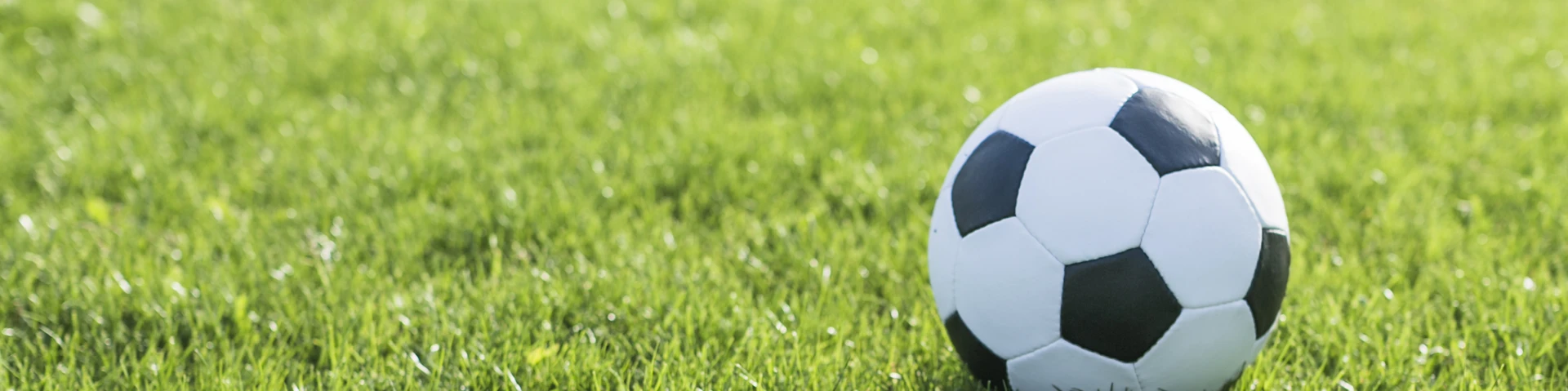
Soccer is one of the most widely played sports in the world, and the quality of the ball plays a crucial role in how the game is experienced. Over the years, soccer ball technology has evolved significantly, moving from traditional leather designs to advanced materials that improve durability, performance, and consistency. One of the most popular innovations in modern sports equipment is the Synthetic Leather Soccer Ball.
Today, players at every level—from beginners to professionals—often choose a Synthetic Leather Soccer Ball because it offers an excellent balance between performance and durability. These balls are designed to withstand different playing conditions while maintaining good shape, touch, and flight stability. As a result, they have become a standard choice for training sessions, school competitions, and even professional matches.
What Is a Synthetic Leather Soccer Ball?
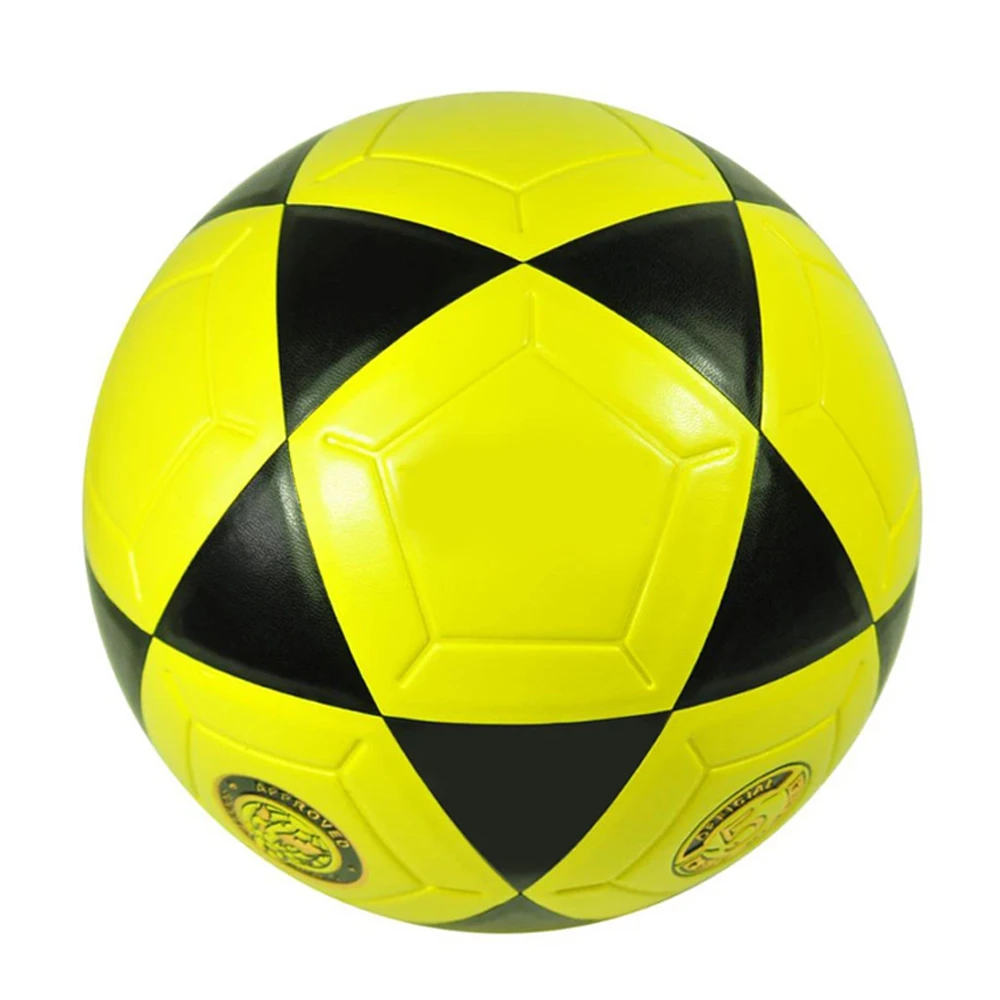
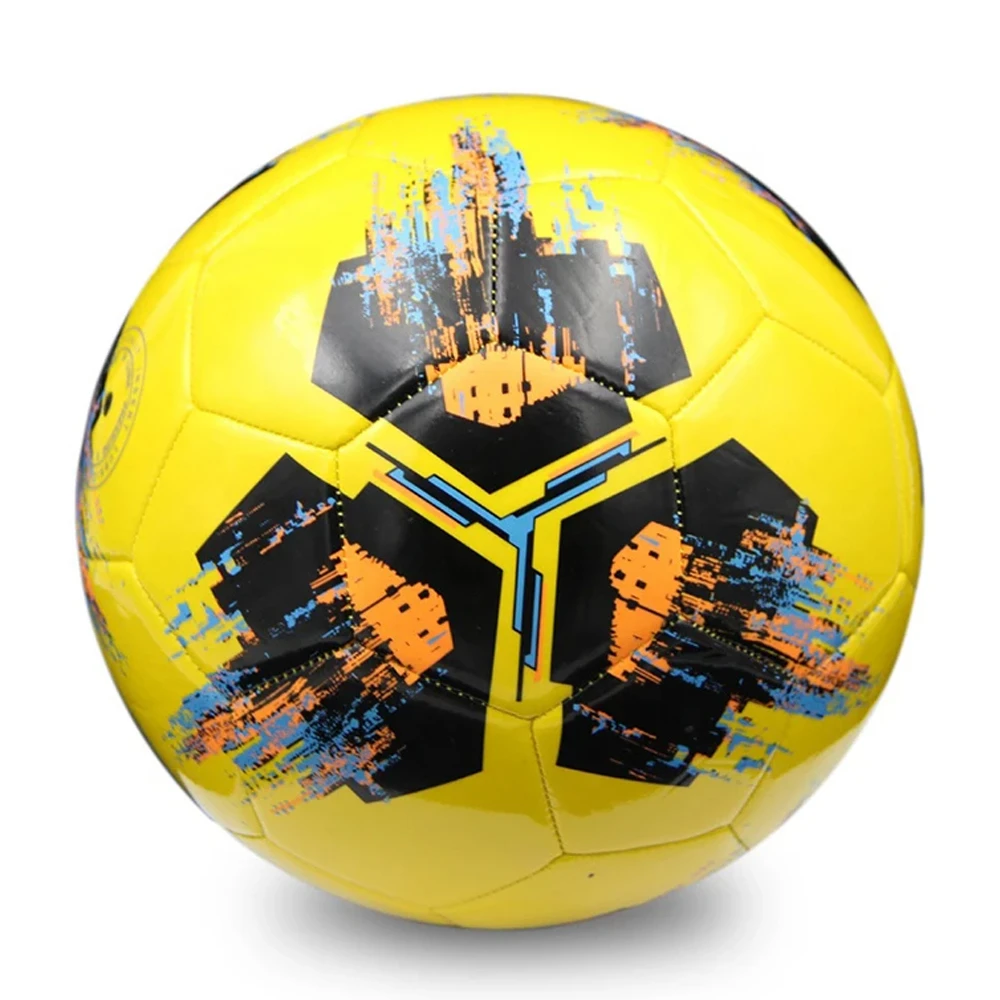
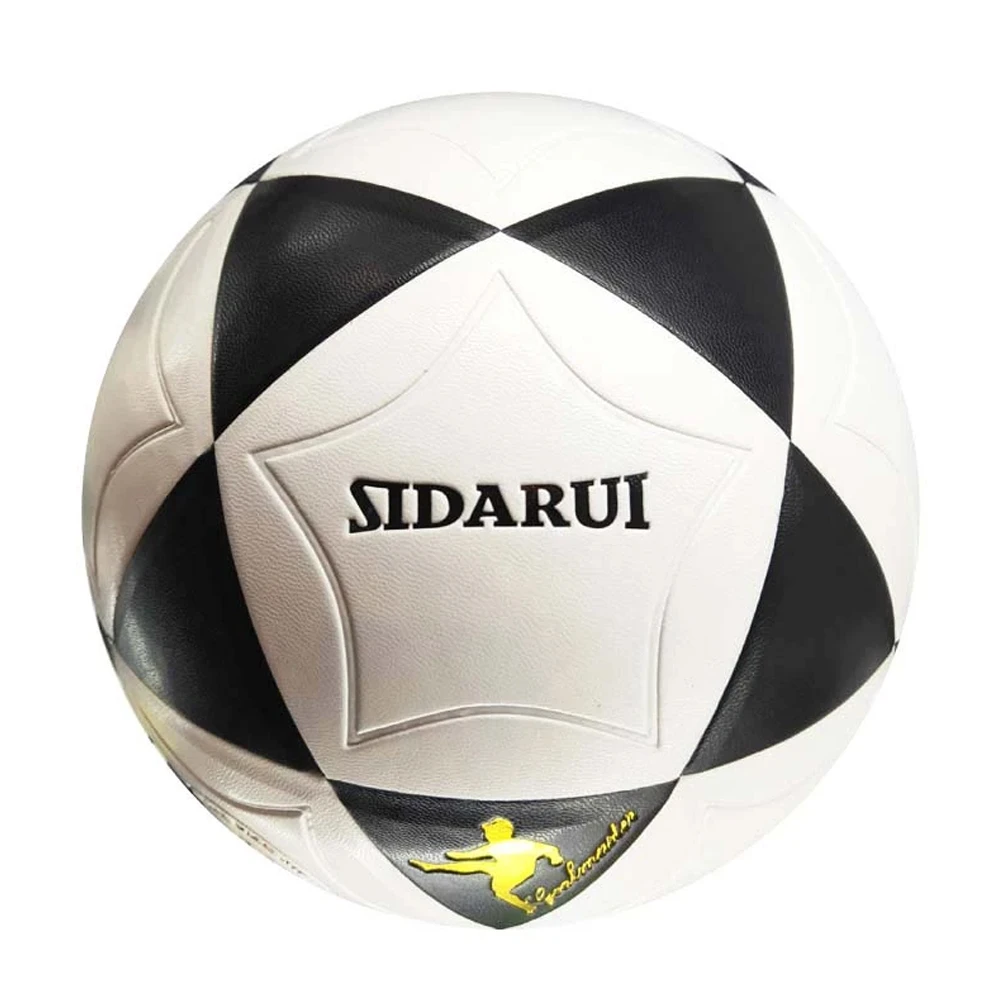
A Synthetic Leather Soccer Ball is a soccer ball made from artificial leather materials such as polyurethane (PU) or polyvinyl chloride (PVC). These synthetic materials are engineered to mimic the texture and feel of traditional leather while offering improved resistance to water, abrasion, and wear.
In traditional soccer balls made from natural leather, the material would absorb water during wet weather, making the ball heavier and affecting gameplay. The development of the Synthetic Leather Soccer Ball solved this issue by creating a water-resistant outer layer that maintains consistent weight and performance in all weather conditions.
Most modern soccer balls consist of several layers that work together to create a balanced playing experience. The outer layer of a Synthetic Leather Soccer Ball provides grip and durability, while the inner layers offer cushioning and shape retention. Inside the ball, a rubber or latex bladder holds air and ensures proper bounce.
One of the main advantages of using synthetic leather is its ability to maintain a consistent texture and structure over time. Unlike natural leather, which can crack or deform with prolonged use, a Synthetic Leather Soccer Ball remains stable even after extensive training sessions.
These balls are widely used for various purposes, including:
Professional soccer matches
School and academy training programs
Recreational play
Youth soccer development
Because of their versatility and performance benefits, the Synthetic Leather Soccer Ball has become the industry standard for many soccer manufacturers around the world.
Advantages and Performance Benefits of a Synthetic Leather Soccer Ball
The popularity of the Synthetic Leather Soccer Ball is largely due to the many advantages it offers compared to traditional leather soccer balls. Modern manufacturing techniques allow producers to create soccer balls that combine durability, comfort, and precision.
1. Superior Durability
One of the most important benefits of a Synthetic Leather Soccer Ball is its durability. Synthetic materials such as PU and PVC are designed to withstand repeated impact, making them ideal for intense training sessions and competitive games. Even when used frequently on rough surfaces like artificial turf or concrete, these balls maintain their structure and performance.
2. Water Resistance
Traditional leather balls often absorbed water during rainy matches, which caused them to become heavy and difficult to control. A Synthetic Leather Soccer Ball solves this problem by using materials that resist moisture. This means the ball maintains its weight and balance even in wet conditions, providing consistent performance throughout the game.
3. Consistent Ball Control
The textured surface of a Synthetic Leather Soccer Ball improves grip and control during dribbling, passing, and shooting. Players can maintain better ball contact, which helps improve accuracy and technique. This is particularly important in competitive matches where precise ball handling can determine the outcome of a game.
4. Improved Shape Retention
Another advantage of synthetic leather construction is its ability to maintain a round and stable shape. A well-made Synthetic Leather Soccer Ball keeps its form even after thousands of kicks, ensuring reliable bounce and flight characteristics.
5. Versatility for Different Playing Surfaces
A Synthetic Leather Soccer Ball can be used on a variety of surfaces, including natural grass, artificial turf, and indoor courts. This versatility makes it a popular choice for clubs and sports programs that play in different environments.
Because of these benefits, synthetic leather soccer balls are commonly chosen by coaches, trainers, and athletes who want a reliable ball that performs consistently under various conditions.
How Manufacturers Produce Synthetic Leather Soccer Balls
The production of a Synthetic Leather Soccer Ball involves several stages, each designed to ensure high quality and consistent performance. Modern soccer ball manufacturers combine advanced materials with precise construction techniques to create durable and balanced products.
First, synthetic leather panels are cut into specific shapes, usually forming the classic 32-panel design or other modern panel configurations. These panels are then assembled using stitching or thermal bonding techniques.
In many cases, machine stitching is used to connect the panels. This method allows manufacturers to produce large quantities of soccer balls while maintaining consistent quality. The stitched panels form the outer shell of the Synthetic Leather Soccer Ball, which protects the inner layers and provides the ball’s playing surface.
Inside the ball, layers of foam and fabric are added to improve cushioning and touch. Finally, a rubber or latex bladder is inserted to hold air and maintain proper inflation.
Quality control is an essential part of the manufacturing process. Each Synthetic Leather Soccer Ball is carefully inspected for weight, roundness, air retention, and durability to ensure it meets international sports standards.
Through these advanced production methods, manufacturers can create soccer balls that deliver reliable performance for players at all levels.
The Synthetic Leather Soccer Ball has revolutionized modern soccer equipment by combining advanced materials with innovative manufacturing techniques. Compared to traditional leather balls, synthetic leather soccer balls offer superior durability, water resistance, and consistent performance.
Whether used for professional matches, school competitions, or recreational play, a high-quality Synthetic Leather Soccer Ball provides excellent control, stability, and long-lasting reliability. Its ability to perform well on different playing surfaces makes it one of the most versatile soccer balls available today.
As soccer continues to grow in popularity around the world, the demand for durable and high-performing equipment will remain strong. The Synthetic Leather Soccer Ball stands out as a dependable choice that meets the needs of players, coaches, and sports organizations alike.
FAQ: Synthetic Leather Soccer Ball Guide
1. What is a Synthetic Leather Soccer Ball?
A Synthetic Leather Soccer Ball is a soccer ball made from artificial leather materials such as polyurethane or PVC. These materials are designed to provide durability, water resistance, and consistent performance during play.
2. Why is a Synthetic Leather Soccer Ball better than traditional leather balls?
A Synthetic Leather Soccer Ball is more resistant to water and wear compared to traditional leather balls. It maintains its weight and shape even in wet conditions, making it more reliable for modern soccer games.
3. Is a Synthetic Leather Soccer Ball suitable for training?
Yes, a Synthetic Leather Soccer Ball is widely used for training sessions because it offers durability, consistent bounce, and good ball control.
4. Can a Synthetic Leather Soccer Ball be used on different surfaces?
A Synthetic Leather Soccer Ball can be used on natural grass, artificial turf, and indoor courts, making it a versatile option for various playing environments.
5. How long does a Synthetic Leather Soccer Ball last?
The lifespan of a Synthetic Leather Soccer Ball depends on usage and playing conditions. With proper care, it can last for a long time even with frequent training and matches.