Mar . 09, 2026 16:03
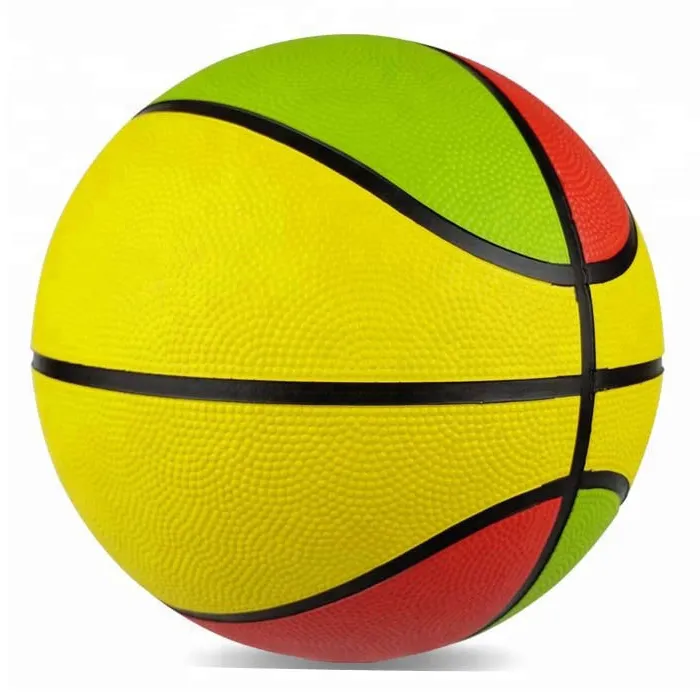
Basketball is played around the world in schools, professional leagues, and neighborhood courts. While the game may seem simple—just a ball and a hoop—the equipment used can vary depending on the players’ age, competition level, and playing environment. From a 29.5 ball used in professional games to a mini basketball ball designed for children, there are many different types of basketball balls available today.
Selecting the right basketball size is essential for player development and game performance. Equipment such as the basketballring, hoop height, and basket ball back board size also play an important role in creating a proper basketball setup. Additionally, reliable manufacturers and a trusted basketball ball supplier ensure that teams and training facilities receive durable, high-quality products.
This article explores basketball sizes, types of basketball balls, and the equipment needed to build a complete basketball environment.
Standard Basketball Sizes and Different Types of Basketball Balls
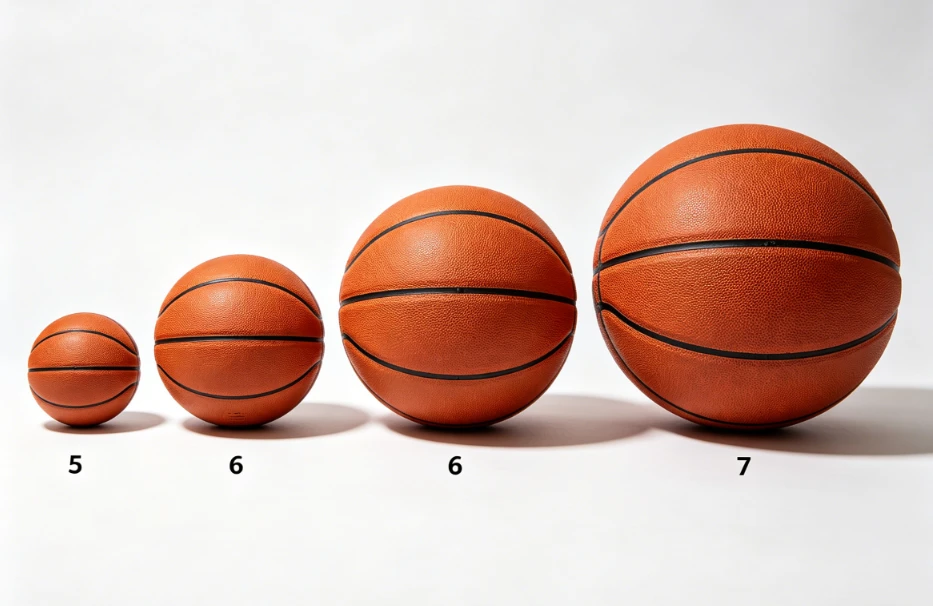
One of the most important factors in basketball equipment is ball size. Different leagues and age groups use different ball diameters and weights to ensure fair and comfortable play.
The 29.5 Ball – Official Professional Size
The 29.5 ball, also known as basketball 29.5 size, is the official ball used in most men’s professional and collegiate basketball leagues. This ball typically measures about 29.5 inches in circumference and is designed for adult players.
Many outdoor players prefer a basketball 29.5 size outdoor model because it offers durability for rough surfaces such as asphalt and concrete courts. Outdoor versions are often made with strong rubber or composite materials that can withstand frequent use.
The 28.5 Basketball Size – Popular for Women’s Games
Another widely used option is the 28.5 basketball size, also referred to as basketball ball 28.5. This ball is slightly smaller and lighter than the 29.5 version, making it easier to handle for many players.
The 28.5 basketball size is commonly used in women’s basketball leagues and youth competitions. Its slightly reduced circumference improves grip and ball control while maintaining the standard feel of a professional basketball.
Smaller Training Balls for Youth
Younger players often use smaller balls to develop their dribbling and shooting techniques. Examples include the basket ball 27.5, which is commonly used by children and beginner players.
Training equipment also includes items such as the mini basket ball and mini basketball ball, which are designed for skill development, indoor practice, or recreational play.
A mini hoop ball is often used with small indoor hoops, allowing kids or office workers to enjoy quick basketball games in limited spaces.
Basketball for Modern Game Formats
Basketball has expanded into different game styles, including the popular 3x3 basketball ball used in three-on-three competitions. This version of basketball is played on a half court with fewer players, making the game faster and more dynamic.
The 3x3 basketball ball often combines the circumference of a women’s ball with the weight of a men’s ball, providing better control during fast-paced gameplay.
These variations highlight the wide range of equipment designed to support different types of basketball competitions.
Basketball Equipment: Hoops, Backboards, and Suppliers
In addition to selecting the right ball, a proper basketball court setup requires quality equipment such as hoops, backboards, and support systems.
Basketball Ring and Hoop Systems
The basketballring is one of the most recognizable components of the game. The ring is typically made from strong steel and attached to a backboard to create the scoring target.
Professional hoops are designed to handle intense gameplay, including powerful dunks and rebounds. Modern hoops may also feature breakaway rims, which reduce pressure on the backboard during high-impact shots.
Basketball Backboard Size
The basket ball back board size is another important factor in court design. Standard professional backboards measure approximately 72 inches wide and 42 inches tall.
However, smaller backboards are often used in recreational courts or home setups. Youth courts and training facilities may install compact backboards to accommodate younger players.
When paired with the correct hoop height and ball size, the right backboard ensures a balanced playing environment.
Mini Hoops for Home and Training
Small basketball setups have become increasingly popular in homes, schools, and offices. These systems typically include a mini backboard, a small basketballring, and a mini hoop ball.
Using a mini basketball ball with a mini hoop is a fun way for beginners to practice shooting skills and enjoy the game in smaller spaces.
These compact systems are also widely used for promotional products and recreational entertainment.
Choosing a Reliable Basketball Ball Supplier
Whether you are purchasing equipment for a school, sports club, or retail store, choosing the right basketball ball supplier is crucial.
A professional supplier typically offers a wide range of products, including:
- Multiple ball sizes such as basketball ball 28.5and basketball 29.5 size
- Outdoor models like basketball 29.5 size outdoor
- Youth training products such as basket ball 27.5
- Specialty balls including 3x3 basketball ball
- Recreational equipment such as mini basket balland mini hoop ball
Reliable suppliers focus on consistent manufacturing quality, durable materials, and stable air retention to ensure the basketball performs well during play.
Selecting a trusted supplier helps teams and retailers maintain high standards while offering equipment that players can rely on.
Basketball equipment has evolved to support players of all ages and skill levels. From the professional 29.5 ball to the youth-friendly basket ball 27.5, choosing the correct size ensures comfort, control, and better performance on the court.
Players can also explore a variety of options such as the 28.5 basketball size, outdoor models like basketball 29.5 size outdoor, or specialized equipment like the 3x3 basketball ball used in modern competitions.
Beyond the ball itself, essential equipment such as the basketballring, proper basket ball back board size, and training products like the mini basketball ball or mini hoop ball contribute to a complete basketball environment.
By working with a reliable basketball ball supplier, schools, sports clubs, and retailers can ensure they receive high-quality products that meet the needs of players around the world. With the right equipment and dedication to practice, anyone can enjoy the excitement and skill of the game—from beginners learning to basketball basics to experienced athletes competing at higher levels.
FAQ About Basketball Sizes and Equipment
1. What is the difference between a 28.5 basketball size and a 29.5 ball?
The 28.5 basketball size is slightly smaller and commonly used in women’s and youth leagues, while the 29.5 ball or basketball 29.5 size is the standard size used in men’s professional competitions.
2. What is a 3x3 basketball ball used for?
A 3x3 basketball ball is designed specifically for three-on-three basketball games. It combines the size of a women’s ball with the weight of a men’s ball for better speed and control.
3. What is the standard basket ball back board size?
The official basket ball back board size for professional basketball is approximately 72 inches wide and 42 inches tall.
4. What is a mini basketball ball used for?
A mini basketball ball or mini hoop ball is typically used for children’s training, indoor mini hoops, or recreational basketball games in small spaces.
5. How do I choose a reliable basketball ball supplier?
A good basketball ball supplier should offer multiple sizes such as basketball ball 28.5, basketball 29.5 size outdoor, and youth options like basket ball 27.5, while ensuring high product quality and durability.