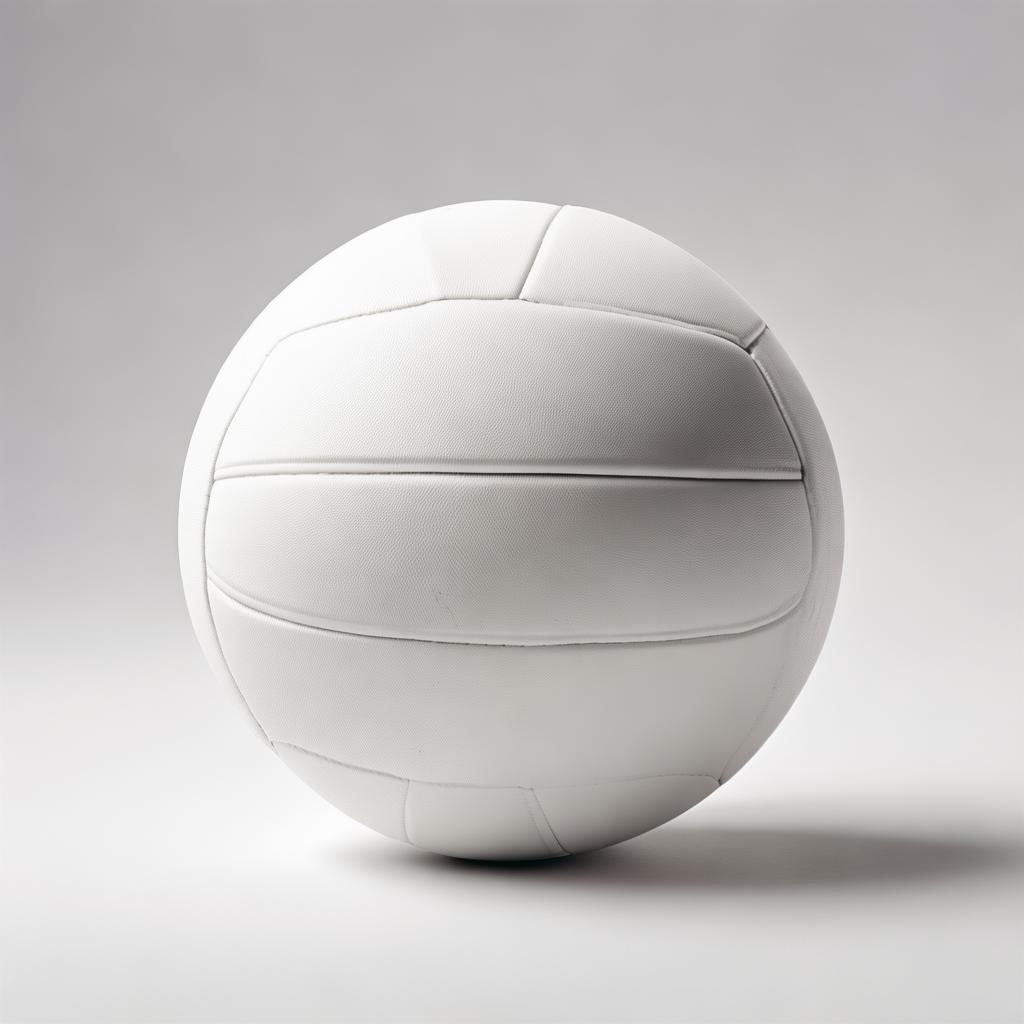
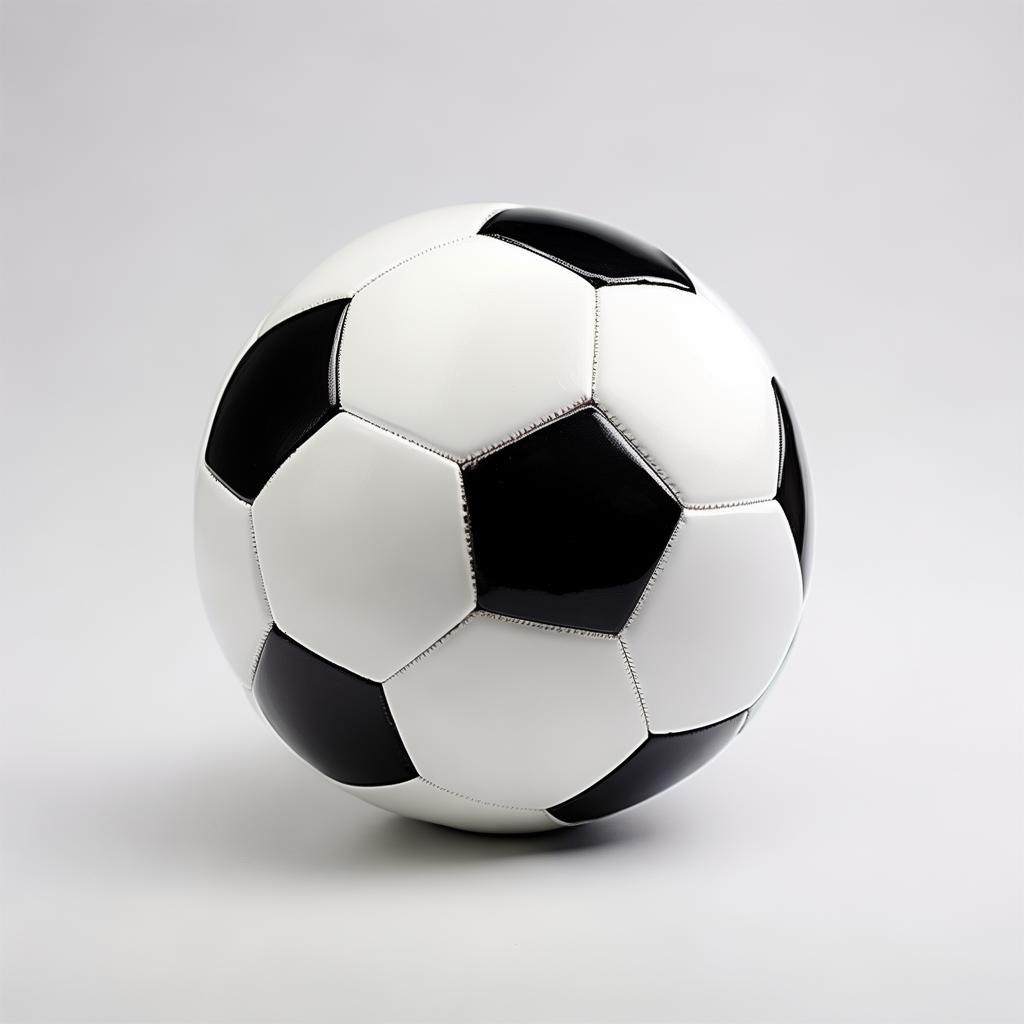

When we talk about soccer balls, most people immediately picture the standard Size 5. It's the go-to for professional matches, high-level training, and adult recreational leagues. However, the world of football, or soccer as it's known in many regions, is far more nuanced. The demand for smaller-sized balls—often termed "mini soccer ball sizes"—is significant and serves critical purposes across different segments of the sport. These aren't just scaled-down versions for novelty; they are meticulously engineered tools designed to foster development, enhance specific training regimens, and cater to younger players or specialized playing environments.
As a manufacturer with a substantial export market spanning Asia, Europe, and South America, Hebei Starry Sports Goods Co., Ltd. has observed firsthand the evolving needs of the global sports industry. We've seen how crucial the right equipment is, not just for performance, but for building fundamental skills and ensuring safety, especially for developing athletes. The distinction between a Size 3, Size 2, or even a Size 1 ball is more than just a number; it represents a carefully calibrated weight, circumference, and performance characteristic tailored to specific age groups and skill levels. Understanding these differences is paramount for coaches, parents, distributors, and procurement managers looking to source high-quality equipment that meets international standards and player requirements.
The global soccer market, valued at approximately USD 8.47 billion in 2025 and projected to reach USD 9.97 billion by 2031, sees Size 5 balls dominating in terms of value, but the demand for developmental sizes is a consistent and growing segment. 【Football (Soccer) Market Size, Share & Industry Growth Report, 2031 - Mordor Intelligence】. This growth is intrinsically linked to the surge in youth participation programs and the increasing emphasis on technical skill development from an early age. Beyond youth development, these smaller balls find applications in indoor soccer, futsal (though futsal has its own specific ball regulations), freestyle soccer, and even as promotional merchandise. Each application demands specific properties, and our role as a manufacturer is to ensure each ball we produce, regardless of size, adheres to stringent quality control and performance benchmarks.
For wholesale buyers and distributors, sourcing a diverse range of ball sizes is essential to capture a broader market share. It’s about offering a complete product line that caters to every level of play, from toddlers taking their first kicks to aspiring professionals honing their touch. This requires a supplier who understands the nuances of different sizes, materials, and construction methods. At Starry Sports, our 2014 establishment and significant export experience since 2016 equip us with the knowledge to guide you through these choices. Our annual output of over 5 million sports balls, including a substantial volume of various soccer ball sizes, underscores our capacity and commitment to meeting diverse global demands.
This guide aims to demystify the world of mini soccer ball sizes, offering insights into their specific applications, the technical considerations involved in their production, and what to look for when sourcing them for your business. Whether you're a sports equipment retailer, a youth academy director, or a distributor looking to expand your product offerings, understanding the role and specifications of these smaller balls is key to making informed purchasing decisions. We'll delve into why they are so effective for skill development, explore their technical attributes, and highlight how Hebei Starry Sports Goods Co., Ltd. is positioned to be your reliable partner in supplying high-quality, appropriately sized soccer balls for every need.
The intricacies of ball manufacturing are often overlooked. A ball that is too heavy or too large for a young player can hinder their ability to learn proper footwork, reduce their confidence, and even pose a safety risk. Conversely, a ball that's too light might not provide the necessary feedback for developing players accustomed to a standard ball. The "mini" soccer ball sizes are a direct response to these needs, providing a tangible improvement in the learning curve for young athletes. We believe in providing equipment that truly supports the sport's growth from the ground up.
Considering the global market, the emphasis on youth development is a constant driver. With participation rates on the rise and significant investment in grassroots football, the demand for correctly sized equipment is more pronounced than ever. 【The global football (soccer) market sees growth driven by youth and women’s football programs - Mordor Intelligence】. This isn't just about the professional game; it's about building a sustainable future for the sport, and that starts with the right ball in the hands—or rather, at the feet—of the next generation.
Our commitment at Starry Sports extends beyond mere production. We engage with market trends and player feedback to refine our offerings. The insights gathered from professional athletes and sports industry insiders who praise our products validate our approach: combining quality materials with expert manufacturing to deliver performance and value. This holistic view is what allows us to confidently serve a market that requires precision across all ball sizes.
Navigating the specifics of ball sizes, materials like PU or PVC, and construction techniques like stitching or thermal bonding can be complex for buyers. Our aim here is to simplify that, providing clear, actionable information. We want to empower you to select the best "mini soccer ball size" options for your specific market or training program, ensuring you get the most value and performance out of your investment.
The market for soccer balls is dynamic, with different segments experiencing varied growth rates. While Size 5 balls continue to command the largest share, the demand for smaller sizes is not merely a niche but a crucial component of the overall sports equipment ecosystem. Factors driving this demand include:
It's important for buyers to note that while the overall soccer ball market is projected to grow moderately 【Soccer Ball Market Size: Growth, Trends, and Forecast (2025-2034) - LinkedIn Pulse】, the segments catering to youth and specialized training are experiencing robust, often higher, growth rates due to these specific drivers. For instance, the U.S. Ball Sports Goods Market is seeing consistent sales driven by school athletics and recreational demand, which inherently includes smaller ball sizes. 【U.S. Ball Sports Goods Market Size | Industry Report, 2030 - Grand View Research】.
From a procurement standpoint, understanding these market dynamics allows for more strategic inventory management and product selection. Offering a range of mini soccer ball sizes alongside standard options positions a distributor or retailer as a comprehensive supplier, capable of meeting the diverse needs of their customer base. Our experience in exporting to 80% of global regions means we've seen these trends play out across different markets, giving us valuable insights into what sells and why.
When we refer to "mini soccer ball sizes," we're generally talking about balls smaller than the standard Size 5. The official FIFA and IFAB (International Football Association Board) regulations primarily define sizes 3, 4, and 5, but there are even smaller sizes commonly used for very young children or promotional items. Here's a breakdown:
| Size | Circumference | Age Group (Approximate) | Primary Use |
|---|---|---|---|
| Size 5 | 27-28 inches (68-70 cm) | 12+ years, Adults | Official Match Play, Training |
| Size 4 | 25-26 inches (63.5-66 cm) | 8-12 years | Youth Training, Match Play |
| Size 3 | 22-23 inches (55-58 cm) | Under 8 years | Youngest Youth Leagues, Skill Development |
| Size 2 | 20-22 inches (51-55 cm) | Under 6 years, Toddlers | Very Young Children, Basic Skills, Promotional |
| Size 1 | 17-18 inches (43-46 cm) | All Ages (Skill Training, Fun) | Promotional Items, Skill Challenges, Mini-Games |
mini soccer ball size 1 size 1 mini soccer ball mini soccer size
It's crucial to understand that these are general guidelines. Some federations or leagues may have slightly different age-group classifications for their specific competitions. For example, while Size 3 is often for U8, some leagues might use it for U7. The key is that these smaller sizes are designed to be more manageable for players still developing their coordination, strength, and kicking technique. A ball that is proportional to the player's size and strength allows for better control, more accurate passing, and a greater enjoyment of the game.
For procurement professionals, specifying the exact size required is critical. Miscommunication can lead to incorrect inventory and disappointed customers or teams. When you partner with us, we ensure clear specifications are documented. Our export system is designed to handle precise order details, minimizing errors and maximizing efficiency.
The smaller sizes, particularly Size 3 and Size 4, are often constructed with lighter materials or thinner bladder walls to reduce overall weight. This is a deliberate engineering choice to facilitate easier handling for young players. Furthermore, the reduced circumference means less power is required to propel the ball, allowing for longer passes and more dynamic play among younger age groups. This is essential for engagement and skill progression.
Youth soccer development is a global priority. Coaching methodologies worldwide emphasize building a strong technical foundation from the earliest stages. This is precisely where mini soccer ball sizes, particularly Size 3 and Size 4, become indispensable. Using a ball that is too large for a child can lead to several developmental issues:
A Size 3 ball, with its smaller circumference and lighter weight, allows young players to:
We recognize that the quality of these developmental balls is as important as their size. Materials must be durable enough to withstand rigorous training sessions, yet soft enough for comfort. Our manufacturing process ensures that even our smallest balls are built to last and perform consistently, providing an excellent tactile experience for young players. This commitment to quality for all sizes is a key differentiator for Hebei Starry Sports Goods.
Many global sports authorities and youth development programs recommend specific ball sizes for different age categories. Adhering to these recommendations ensures that young athletes are using equipment that is safe, effective, and conducive to skill acquisition. For distributors and retailers, stocking a comprehensive range of these certified developmental balls is not just good business; it's supporting the future of the sport.
Beyond pure youth development, mini soccer ball sizes serve specialized training purposes for players of all ages, including professionals. Coaches leverage these smaller balls to target specific skills that might be harder to isolate with a standard Size 5 ball.
The key benefit across all these applications is the ability to intensify the challenge. By reducing the size of the ball, players are forced to refine their technique, increase their focus, and improve their overall coordination. This 'upskill' effect means that when they return to a Size 5 ball, their touch and control feel significantly enhanced.
For wholesale clients, offering a selection of training-specific balls, including mini sizes, can attract a premium market segment of dedicated coaches and academies. It demonstrates an understanding of advanced training methodologies and provides valuable tools for performance improvement. Our capacity to produce consistent quality across various sizes makes us an ideal partner for such specialized needs.
Consider the operational aspect: A coach might use Size 3 balls for a group of 20 players in a passing drill. This means ordering in bulk. Ensuring reliable supply of these specialized items is where a manufacturer like Hebei Starry Sports excels, with an annual output exceeding 5 million units.
The construction of any soccer ball dictates its performance, durability, and feel. For mini soccer ball sizes, these principles remain the same, though material choices are often optimized for lightness and softness while maintaining robustness.
Cover Materials:
Construction Methods:
Bladder:
At Hebei Starry Sports, we utilize a combination of these materials and construction techniques based on the intended application and price point of the ball. For our junior league balls (Size 3), we often recommend PU covers with butyl bladders, using either hand stitching or thermal bonding for optimal durability and feel. For promotional Size 1 or Size 2 balls, cost-effective PVC with machine stitching is a popular choice. Our expertise ensures that the selected combination provides the best balance of performance, durability, and value for your specific needs.
Procurement managers should inquire about the specific materials and construction methods used for each size to ensure they align with their market's expectations and quality standards. This detail is often overlooked but is fundamental to the product's longevity and player satisfaction.
Sourcing wholesale mini soccer ball sizes requires careful consideration to ensure you receive quality products that meet your market's demands and deliver value. As a manufacturer with extensive export experience, we've seen common pitfalls and best practices.
1. Specify Requirements Clearly:
2. Understand Certifications and Standards:
3. Evaluate Supplier Capabilities:
4. Consider Packaging and Logistics:
5. Request Samples and Factory Audits (if applicable):
Before committing to a large order, request samples to assess quality firsthand. For very large contracts, consider a factory audit (either virtual or in-person) to verify capabilities and working conditions.
Hebei Starry Sports Co., Ltd. is committed to transparency and partnership. We work closely with our clients to ensure all specifications are met and logistical challenges are overcome. Our goal is to make the procurement process smooth and reliable for your business.
At Hebei Starry Sports Goods Co., Ltd., our manufacturing capabilities are the bedrock of our ability to supply high-quality mini soccer ball sizes reliably. Located in Xingji Town, Cangzhou City, our facility benefits from strategic positioning near major transport routes and Tianjin Port, facilitating efficient logistics for our global clientele.
Facility and Scale:
Quality Control and Expertise:
OEM/ODM Capabilities:
We pride ourselves on our Original Equipment Manufacturer (OEM) and Original Design Manufacturer (ODM) services. This means we can:
Our goal is to be more than just a supplier; we aim to be a manufacturing partner that helps your brand succeed in the competitive sports equipment market. We understand that for international trade, reliability, consistent quality, and competitive pricing are paramount. Our total revenue exceeding 30 million in 2023 and customer coverage in 80% of global regions are testaments to our proven track record.
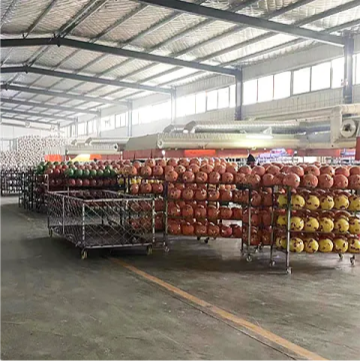
Inside our state-of-the-art manufacturing facility.
The primary differences lie in their circumference and weight. A Size 3 ball is smaller and lighter, designed for children under 8 years old. A Size 4 ball is slightly larger and heavier, typically for children aged 8-12. Both are considered "mini" compared to the standard Size 5 ball.
Size 3 and Size 4 balls are often used for official league play for their respective age groups (e.g., U8 leagues typically use Size 3). However, it's always best to check the specific regulations of the governing body or league you are involved with, as some may have slight variations.
For durability in training, a PU (Polyurethane) cover is generally recommended over PVC. Combined with a butyl bladder for excellent air retention and either hand-stitched or thermally bonded construction, a PU ball will withstand more rigorous use and maintain its performance longer.
Yes, absolutely. As discussed, smaller balls are excellent tools for advanced training, helping players refine their touch, precision, and close control. Coaches often incorporate Size 2 or Size 3 balls into drills even for senior teams.
MOQs vary by manufacturer and the complexity of customization. For standard designs, MOQs might be lower. For custom logos and specific colorways, MOQs can range from a few hundred to a few thousand units, depending on production setup. We can discuss your specific needs to provide a tailored quote.
Partner with Hebei Starry Sports Goods Co., Ltd. for reliable supply of high-quality mini soccer ball sizes. Whether you need balls for youth leagues, specialized training academies, or promotional purposes, we have the manufacturing expertise and capacity to meet your demands.
Contact us today: +86 15713370191 | starry005@ballschina.com
WELCOME TO INQUIRE


LATEST NEWS
Crafted with precision and care, our soccer ball features a durable rubber core that ensures excellent bounce and resilience. The rubber material is not only lightweight but also provides the ideal amount of grip, allowing players to control the ball with ease. This means you can focus on perfecting your shots, passes, and tricks without worrying about the ball slipping away from you.
26,04 , 2026
Custom Mini Basketball Ball for Branding and Promotional Use
In today’s competitive marketplace, brands are constantly searching for creative, cost-effective way
READ MORE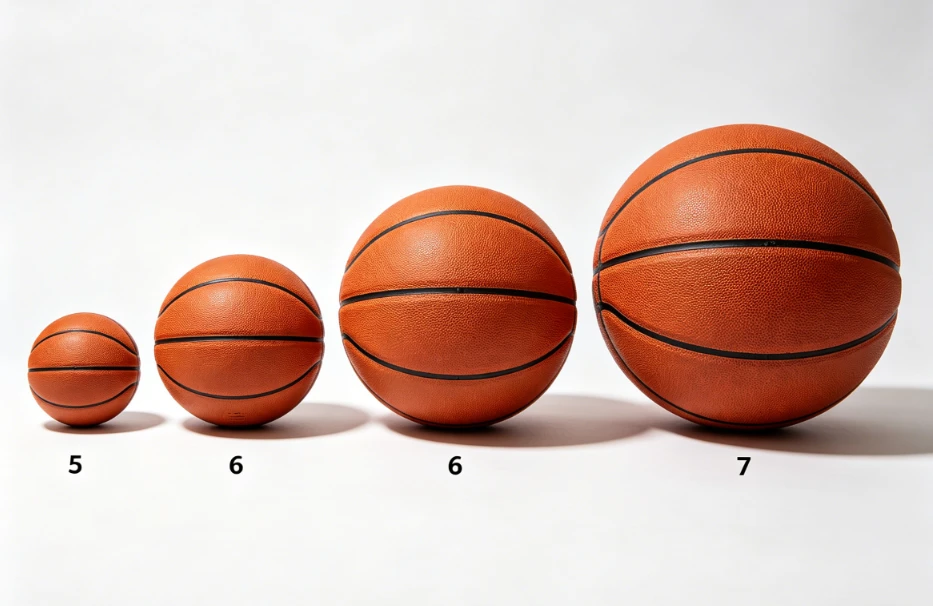
24,04 , 2026
Size Guide for Basketballs Wholesale: From Youth to Professional
Choosing the right basketball size is one of the most important decisions for wholesalers, sports eq
READ MORE
23,04 , 2026
Outdoor vs Indoor Basketballs Wholesale: Key Differences
When sourcing basketballs in bulk, understanding the difference between outdoor and indoor models is
READ MORE