By Li Wei, Export Director at Hebei Starry Sports Goods Co, Ltd

November 20, 2023
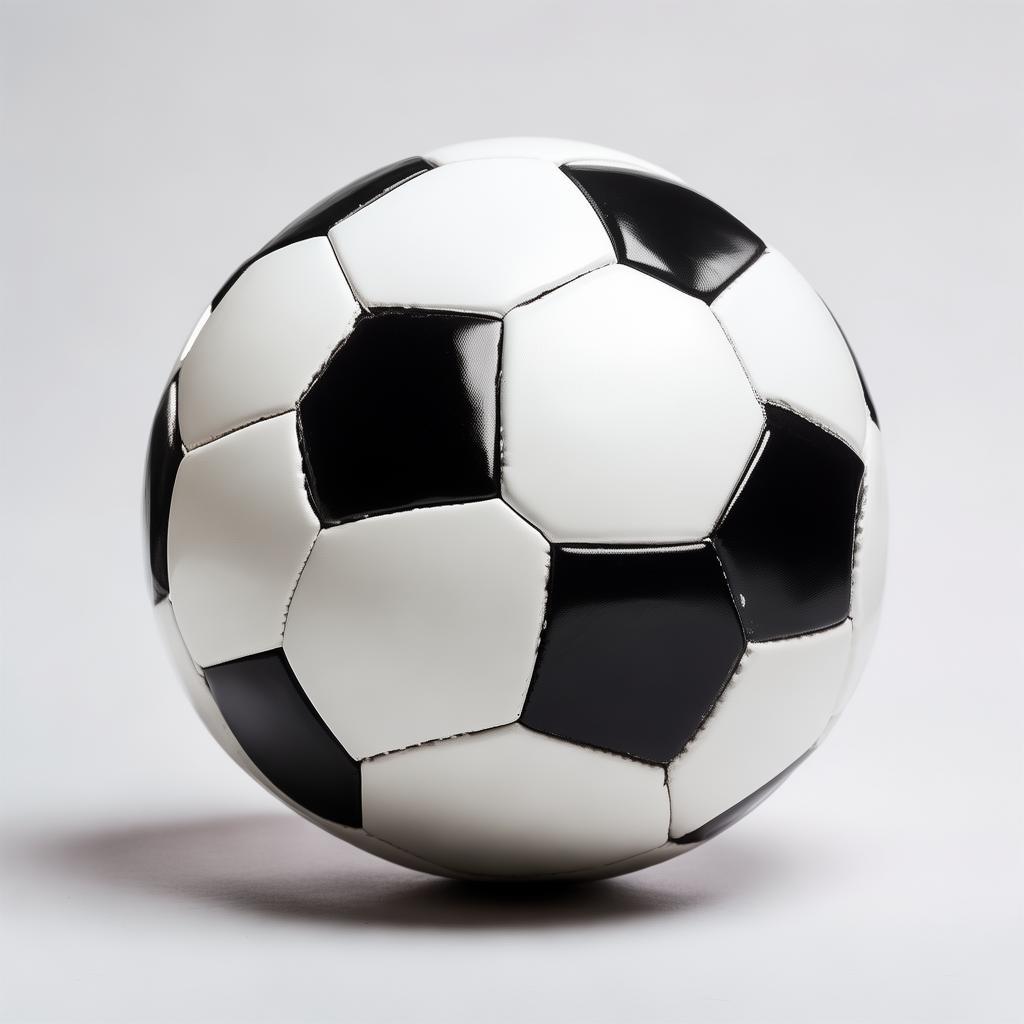
The FIFA World Cup isn't just a tournament; it's a global spectacle that unites nations, ignites passions, and showcases the pinnacle of athletic achievement. At its heart, the game is played with a sphere – a deceptively simple object that, in the hands of elite athletes, becomes an instrument of art, strategy, and raw power. The soccer ball used in these prestigious tournaments, particularly the "new World Cup soccer ball," represents the zenith of sports engineering, a fusion of cutting-edge materials, aerodynamic design, and rigorous testing. For manufacturers like us at Hebei Starry Sports Goods Co, Ltd, developing and supplying balls that meet such exacting standards is a testament to our dedication to quality and innovation in the international B2B trade of sports equipment.
Consider the sheer pressure these balls endure. They are kicked with immense force, struck at incredible speeds, and subjected to the diverse environmental conditions of tournament venues worldwide. A ball must maintain its shape, its weight, and its aerodynamic integrity through every pass, every tackle, and every decisive goal. This is where the "new World Cup soccer ball" distinguishes itself. It's not just a recreational item; it's a piece of precision equipment designed to provide unparalleled performance, ensuring fair play and allowing players to execute their skills with absolute confidence. The evolution of these balls mirrors the sport's own progression – from the early days of stitched leather panels to the sophisticated, thermally bonded constructions we see today.
For procurement professionals, distributors, and team managers looking to source high-caliber soccer balls, understanding the intricacies behind these tournament-grade products is crucial. It goes beyond branding; it's about understanding the manufacturing processes, the material science, and the quality control measures that differentiate a truly elite product. This insight is vital for making informed purchasing decisions that balance performance expectations with budget realities and long-term supply chain reliability. The global soccer ball market is dynamic, with significant growth driven by increasing participation, especially in youth and women's football programs, and the continuous demand for better performing equipment. Reports indicate the global football (soccer) market was valued at approximately USD 8.47 billion in 2025, projected to reach USD 9.97 billion by 2031, with Size 5 balls dominating at over 51% of the market share. This highlights a substantial and enduring demand for quality soccer balls across various segments.
At Hebei Starry Sports Goods Co, Ltd, we pride ourselves on being more than just a supplier; we are partners in performance. With over two decades of experience in the foreign trade market, established in November 2014, we have honed our manufacturing capabilities to produce a wide range of sports balls, including soccer balls, basketballs, and volleyballs. Our strategic location near Tianjin Port, coupled with a dedicated workforce and an annual output exceeding 5 million units, allows us to serve international clients efficiently. We understand the demanding requirements of the global sports market and are committed to delivering products that meet and exceed international standards, ensuring that every ball bearing our mark is a testament to quality, durability, and performance. The journey from raw materials to a perfectly round, flight-ready World Cup soccer ball is complex, involving meticulous design, advanced manufacturing, and stringent quality assurance protocols, all of which we embrace with unwavering commitment.
This page delves into the world of the new World Cup soccer ball, exploring its technical innovations, the materials that make it exceptional, and what it means for businesses looking to procure such high-grade equipment. We'll cover the market trends shaping the industry, the critical factors for evaluating suppliers, and practical advice for ensuring your supply chain is robust and reliable. Our aim is to provide you with comprehensive insights, drawing from our extensive experience in OEM/ODM manufacturing and international B2B trade, to help you navigate the procurement process with confidence.
The global soccer ball market is a vibrant and evolving sector, driven by passionate fans, burgeoning participation rates, and technological advancements. It’s a market where established global brands command significant attention, but where reliable manufacturing partners are indispensable for consistent supply and competitive pricing. Industry reports consistently point to robust growth. For instance, the global soccer balls market is projected to grow to USD 7.41 billion by 2035 at a CAGR of 9.32%, a testament to the sport's enduring popularity and economic impact. This growth is fueled by a confluence of factors, including increased investment in youth development programs, the growing popularity of women's football, and the continuous cycle of major international tournaments that capture global attention.
Size 5 balls, typically used for professional matches and advanced training, remain the dominant segment, accounting for a substantial share of demand. However, the market is not monolithic. It encompasses a wide spectrum, from entry-level recreational balls to highly specialized match balls that feature the latest innovations in aerodynamics and material science. This segmentation offers diverse opportunities for importers and distributors, requiring a nuanced understanding of specific market needs and quality tiers. The increasing emphasis on grassroots development across Asia, Africa, and South America, coupled with the premiumization trend in Europe and North America, shapes distinct demand patterns and manufacturing priorities.
Innovation is a constant driver. While traditional stitched balls still have a place, thermally bonded construction is increasingly the standard for high-performance balls. This method offers superior sphericity, reduced water absorption, and enhanced durability – critical attributes for professional play. Furthermore, advancements in synthetic leather materials like high-grade PU (polyurethane) and TPU (thermoplastic polyurethane) allow for better grip, improved feel, and consistent flight characteristics. We see this trend reflected in market analyses, with premium match balls featuring advanced panel technologies and enhanced aerodynamics becoming increasingly sought after.
From a procurement perspective, navigating this landscape requires strategic sourcing. Understanding the supply chain, from raw material providers to finishing factories, is key. The concentration of manufacturing in certain regions, such as Sialkot in Pakistan for some segments, is a well-known factor, but reliable partners can be found worldwide, offering competitive advantages in quality, lead times, and ethical manufacturing practices. Hebei Starry Sports Goods Co, Ltd, leveraging its extensive experience since 2016 in foreign trade, has positioned itself as a reliable source for high-quality sports balls, catering to the diverse needs of the international market. Our total revenue exceeding 30 million in 2023 and customer coverage in 80% of global regions underscores our capability to serve a wide array of clients, from large distributors to specialized retailers.
The rise of e-commerce has also transformed distribution channels, making it easier for businesses to connect with manufacturers and reach end consumers. However, this also means a greater need for consistent product quality and clear specifications to avoid discrepancies. Choosing a manufacturing partner with robust quality control systems and a proven track record in international shipping is paramount for success in this increasingly interconnected global market.
The performance of a top-tier soccer ball, such as those designed for World Cup competitions, hinges on meticulous engineering. It's a complex interplay of panel design, construction method, and material properties, all calibrated to achieve specific aerodynamic and tactile characteristics. The days of simple hexagonal and pentagonal panel designs are long gone; modern tournament balls feature highly optimized panel shapes and configurations, often patented by major brands. These designs are not merely aesthetic; they are engineered to ensure consistent flight paths, predictable swerve, and optimal air penetration. The goal is to create a ball that behaves predictably, regardless of the speed or angle at which it's struck.
One of the most critical aspects is sphericity. A perfectly spherical ball ensures balanced flight and consistent interaction with the player's foot. Deviations from perfect roundness can lead to unpredictable behavior, affecting accuracy and control. This is achieved through precise manufacturing processes, particularly in the assembly and bonding of the panels, and through the quality of the bladder and lining materials. The bladder, typically made from butyl or latex, must maintain inflation pressure reliably and contribute to the ball's responsiveness and feel. The lining, often made of layers of foam and fabric, provides structural integrity, cushioning, and shape retention, absorbing some of the impact force and contributing to the ball's "bounce" characteristics.
Aerodynamics is another crucial element. The surface texture, the panel seams (or lack thereof in thermally bonded balls), and the overall shape all influence how the ball cuts through the air. Designs are often tested extensively in wind tunnels to optimize for reduced drag and stable flight. This optimization allows players to strike the ball with greater power and accuracy, knowing it will travel where intended. The "knuckling" effect, or lack thereof, is a key consideration. A ball that flies true, without unpredictable wobble, is essential for high-level play. This is particularly important for goalkeepers defending against powerful shots, and for strikers aiming for the corners of the net.
FIFA Quality Standards are the benchmark for professional play. These rigorous standards evaluate weight, circumference, sphericity, bounce, water absorption, loss of pressure, and energy return. A ball must meet or exceed these criteria to be certified for official match play. For manufacturers like us, adhering to these standards is not just a requirement; it's a fundamental part of our quality assurance process. We understand that a ball failing these tests means more than just a rejected product; it means compromising the integrity of the game itself.
When considering the "new World Cup soccer ball," we are looking at the culmination of years of research and development. The specific design for each tournament often incorporates subtle refinements based on feedback from players and coaches, aiming to enhance touch, control, and flight predictability. This relentless pursuit of perfection in every detail is what sets these balls apart and justifies their premium status in the market.
The materials used in a high-performance soccer ball are as critical as its design. Gone are the days of heavy, water-absorbent leather balls. Modern ball construction relies on advanced synthetic materials, carefully chosen for their durability, touch, water resistance, and aerodynamic properties. The outer casing, the core of the ball's feel and performance, is typically made from high-grade polyurethane (PU) or thermoplastic polyurethane (TPU). PU offers a softer touch and better performance in wet conditions, often favored for professional match balls. TPU, while generally firmer, provides excellent durability and abrasion resistance, making it a popular choice for training balls and those intended for more challenging playing surfaces.
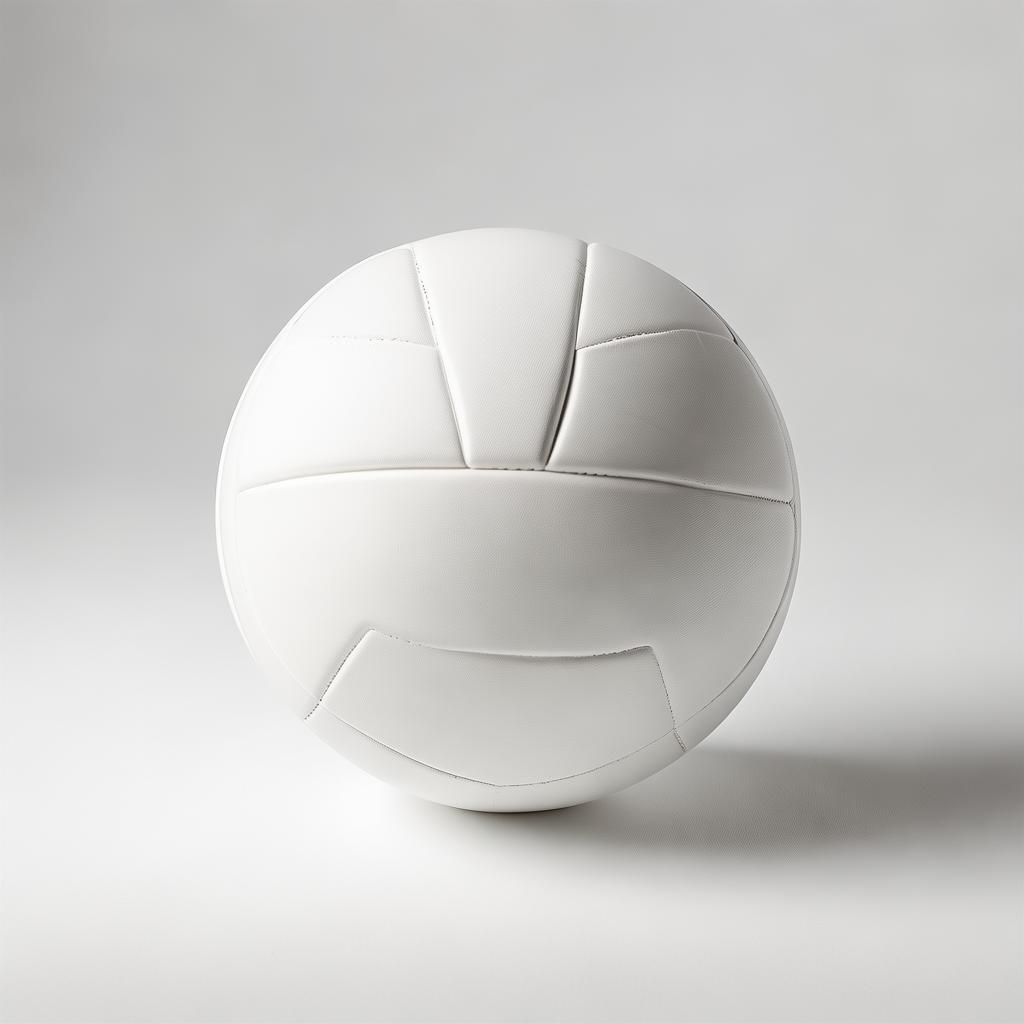
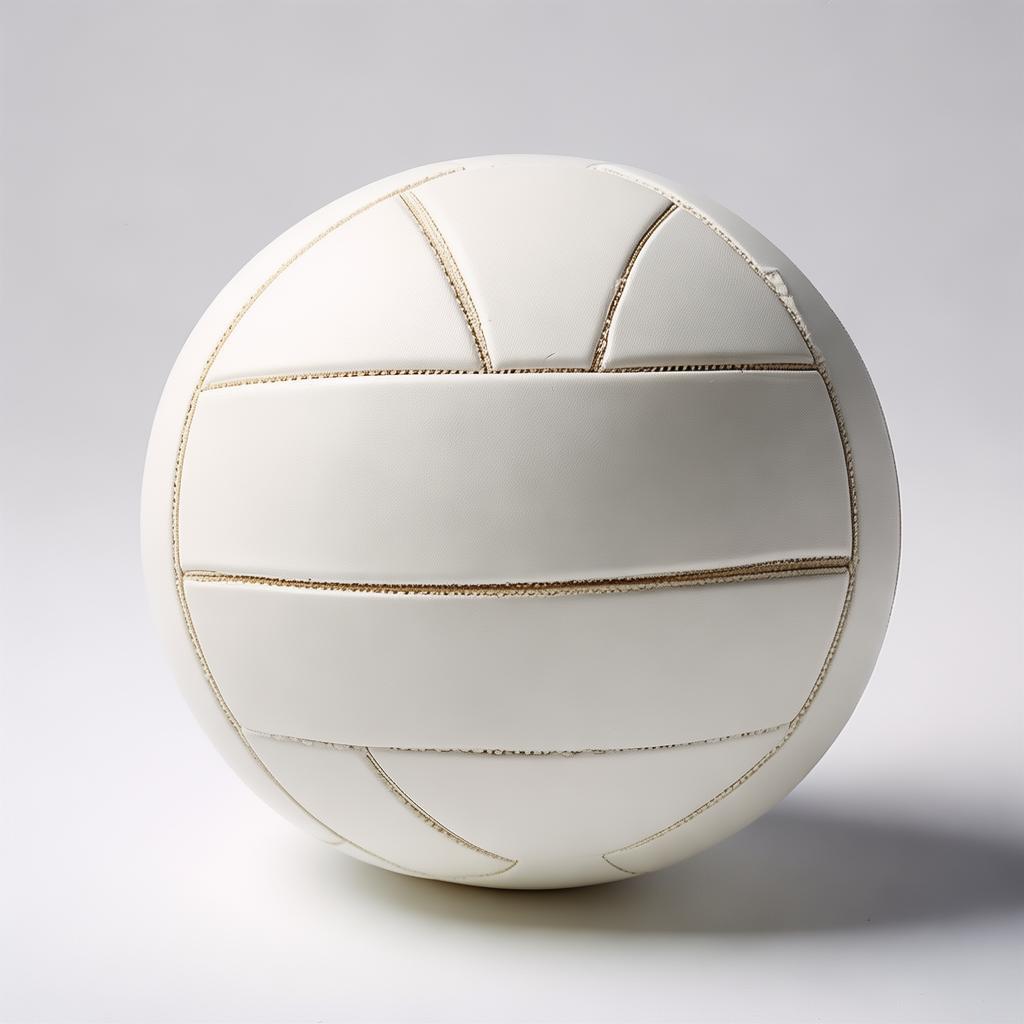
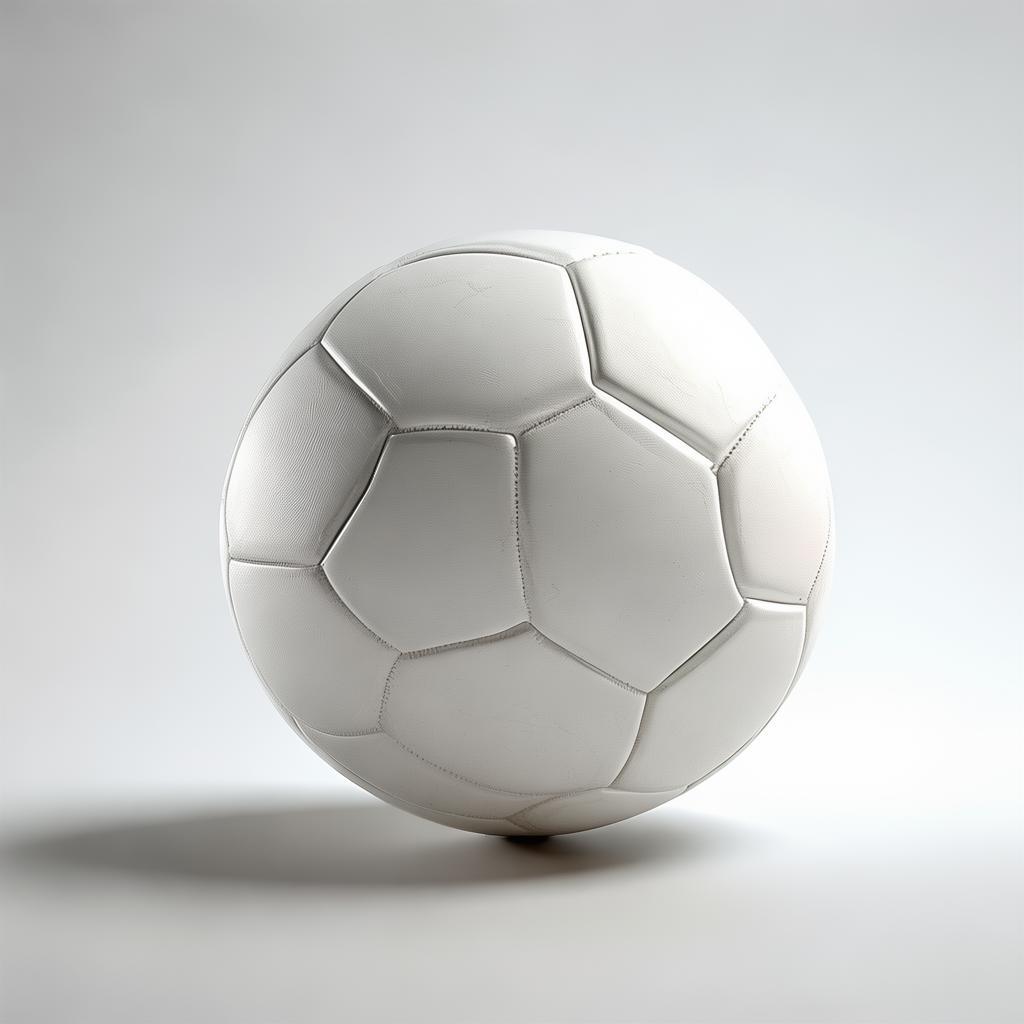
new soccer ball for world cup new soccer ball new soccer ball world cup
The thermally bonded construction technique is a significant leap forward. Instead of traditional stitching, which can create uneven surfaces and absorb water, thermally bonded panels are fused together using controlled heat and pressure. This process results in near-zero water absorption, a perfectly spherical shape, and a consistent feel across the entire surface of the ball. This translates to enhanced flight stability, as the ball is less affected by moisture and maintains its aerodynamic integrity. Many top-tier balls utilize unique panel configurations, often star-shaped or uniquely geometric, which are specifically designed to work with the thermal bonding process for optimal performance.
Beneath the outer casing lies the lining, which plays a crucial role in the ball's structure and responsiveness. Typically composed of multiple layers of polyester and/or cotton yarn, the lining provides dimensional stability and ensures the ball retains its shape under high impact. The number and type of layers can be adjusted to achieve different levels of hardness and bounce. A well-constructed lining system prevents the ball from becoming too soft or too hard, offering a balanced feel that players can rely on.
The bladder, the air-containing component, is usually made from butyl rubber for superior air retention or latex for a softer feel and better responsiveness. Butyl is often preferred for training and general use due to its low permeability, meaning it loses air much slower. Latex bladders offer a more natural feel and better rebound, making them popular for professional match balls, though they require more frequent inflation. The choice of bladder material significantly impacts the ball's touch and consistency.
At Hebei Starry Sports Goods Co, Ltd, we work with a range of high-quality synthetic materials and employ advanced manufacturing techniques, including both thermally bonded and expertly stitched constructions, to meet diverse client needs. Our commitment to sourcing premium raw materials ensures that whether you're looking for a training ball or a ball that rivals tournament standards, you receive a product built for performance and longevity. We understand that the right material choice directly impacts the end-user experience and the ball's overall value proposition. For example, while PU offers a superior feel, TPU's resilience makes it a practical choice for leagues experiencing heavy wear and tear.
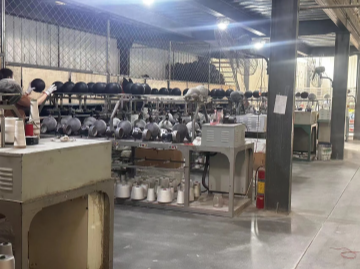
As a manufacturer deeply involved in international B2B trade, Hebei Starry Sports Goods Co, Ltd understands that consistent quality is paramount. The production of a "new World Cup soccer ball" or any high-caliber sports ball is a multi-stage process demanding precision at every step. Our facility in Xingji Town, Cangzhou City, is equipped to handle large-scale production while maintaining strict quality control. Covering 67,000 square meters and employing 316 skilled workers, we are capable of producing over 5 million sports balls annually, ensuring we can meet significant international demand.
Our production workflow begins with the careful selection and inspection of raw materials. Whether it's PU, TPU, specialized lining fabrics, or high-quality butyl bladders, we ensure that every component meets our stringent specifications. This is a critical first step in EEAT – demonstrating expertise and trustworthiness through the very materials we use.
The panel cutting and printing processes are executed with high precision. Whether using automated cutting machines for accuracy or skilled artisans for intricate designs, the goal is perfect symmetry and clean graphics. For thermally bonded balls, the panel shaping and pre-bonding preparation are crucial. This stage requires meticulous attention to detail to ensure the panels will fuse correctly, creating a seamless and perfectly spherical final product. For stitched balls, the quality of the stitching – ensuring consistent tension and even seam width – is vital for durability and performance.
Assembly is where the ball truly takes shape. The bladder and lining are inserted, and the panels are meticulously arranged before bonding or stitching commences. Our experienced assembly teams are trained to handle each ball with care, ensuring proper alignment and tension. The bonding process, if applicable, is conducted under controlled temperature and pressure conditions to guarantee a strong, durable seam. Stitching operations are overseen to ensure uniformity and integrity.
Inflation and final inspection form the concluding stages. Each ball is inflated to the correct pressure and allowed to settle, after which it undergoes rigorous checks for sphericity, weight, and visual defects. Balls intended for higher-tier markets undergo further testing to meet FIFA Quality Standards, including bounce tests, water absorption tests, and pressure loss evaluations. This commitment to quality assurance is what allows us to confidently export to over 80% of global regions and achieve revenues like our 30+ million in 2023.
Our manufacturing capabilities also extend to OEM/ODM services. We work closely with clients to develop custom designs, brand specific requirements, and unique material combinations. This collaborative approach, backed by our technical expertise and production capacity, allows businesses to bring their vision for the perfect soccer ball to life, ensuring it meets their specific market needs and quality expectations.
For purchasing managers and procurement directors, sourcing new World Cup soccer balls or any high-performance sports equipment involves more than just comparing prices. It's a strategic decision that impacts product quality, customer satisfaction, and ultimately, your brand's reputation. Understanding the manufacturing landscape, quality certifications, and supplier reliability is key to a successful procurement strategy.
1. Define Your Needs Clearly: Are you looking for official match balls, high-quality training balls, or promotional items? Each requires different specifications, materials, and price points. For instance, a ball for a professional league will demand FIFA Quality Pro certification, while a ball for a youth academy might prioritize durability and affordability. Clarify the target market, intended use, and required certifications upfront.
2. Evaluate Supplier Capabilities: Look beyond basic production capacity. Assess the supplier's experience in international trade, their quality control systems, their ability to handle OEM/ODM requests, and their adherence to ethical manufacturing standards. Companies like Hebei Starry Sports Goods Co, Ltd, with our established foreign trade market presence since 2016, offer a blend of manufacturing prowess and global market understanding. Check for:
3. Understand Material and Construction Options: As discussed, thermally bonded versus stitched, PU versus TPU, bladder materials – each choice affects performance, durability, and cost. A supplier with deep material science knowledge can guide you towards the best options for your specific application. We pride ourselves on our expertise in material selection, ensuring optimal performance for every ball we produce.
4. Logistics and Lead Times: International shipping involves careful planning. Understand the supplier's production lead times, their packaging capabilities for efficient container loading, and their experience with export documentation. Proximity to major ports, like our location near Tianjin Port, offers a significant logistical advantage. Discuss shipping options, estimated delivery times, and any potential customs considerations early in the process.
5. Request Samples and Factory Audits: Before committing to a large order, always request samples to assess quality firsthand. If feasible, consider a factory audit to gain direct insight into their operations. For many international buyers, a thorough supplier evaluation, including video tours and detailed documentation, can substitute for a physical audit, provided the supplier is transparent and forthcoming.
6. Negotiate Terms and Contracts: Establish clear payment terms, warranty policies, and return/defect resolution procedures. A well-defined contract protects both parties and ensures a smooth business relationship. Our engagement terms are designed for clarity and mutual benefit, reflecting our commitment to long-term partnerships.
By approaching procurement with a structured methodology, you can mitigate risks, secure high-quality products, and build a reliable supply chain for your sports equipment needs. Partnering with an experienced and reputable manufacturer like Hebei Starry Sports Goods Co, Ltd ensures you gain access to quality, performance, and professional service.
Whether you're a global distributor, a national sports federation, or a specialty retailer, Hebei Starry Sports Goods Co, Ltd is your trusted partner for high-quality soccer balls that meet international standards. Leverage our extensive manufacturing experience, commitment to quality, and efficient international trade services.
WELCOME TO INQUIRE


LATEST NEWS
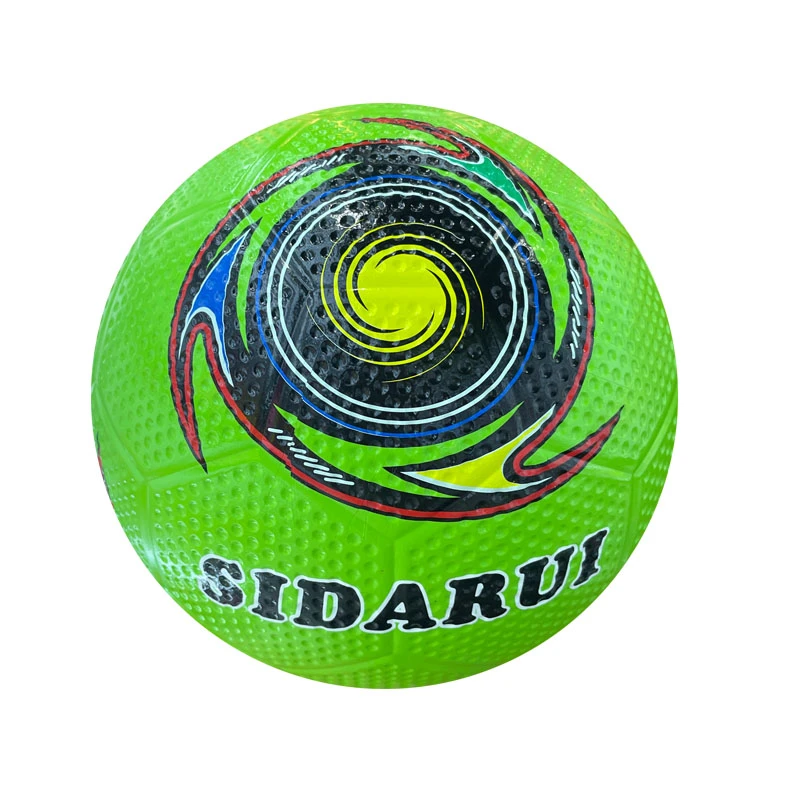
Crafted with precision and care, our soccer ball features a durable rubber core that ensures excellent bounce and resilience. The rubber material is not only lightweight but also provides the ideal amount of grip, allowing players to control the ball with ease. This means you can focus on perfecting your shots, passes, and tricks without worrying about the ball slipping away from you.
26,04 , 2026
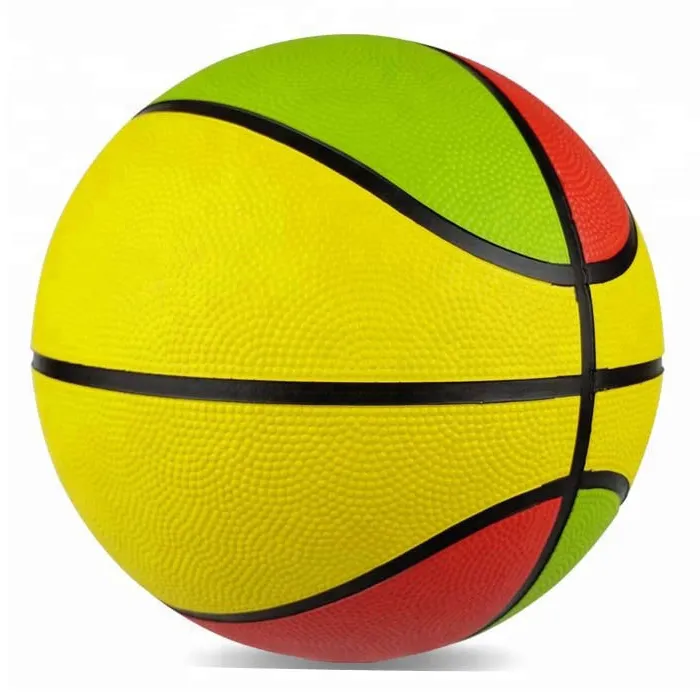
Custom Mini Basketball Ball for Branding and Promotional Use
In today’s competitive marketplace, brands are constantly searching for creative, cost-effective way
READ MORE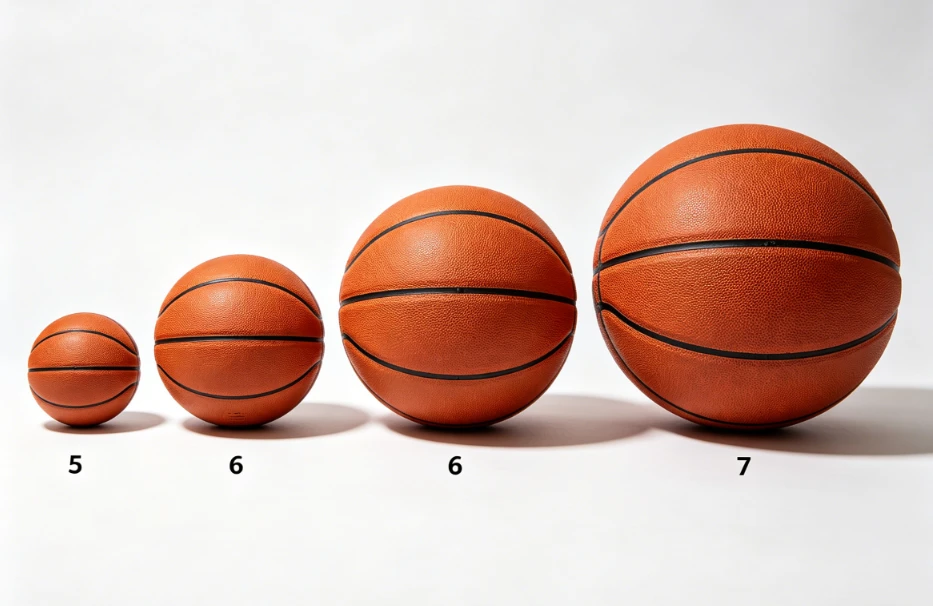
24,04 , 2026
Size Guide for Basketballs Wholesale: From Youth to Professional
Choosing the right basketball size is one of the most important decisions for wholesalers, sports eq
READ MORE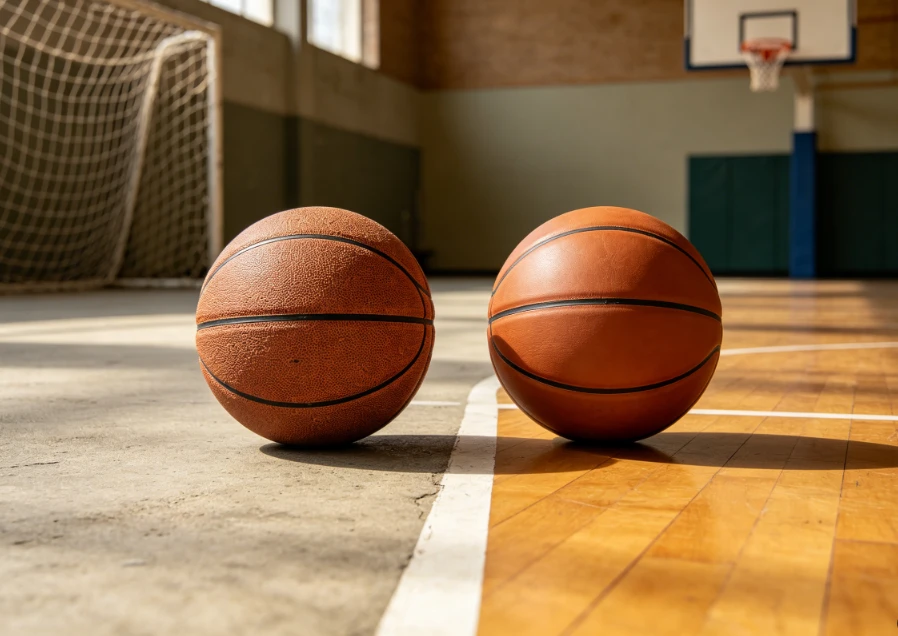
23,04 , 2026
Outdoor vs Indoor Basketballs Wholesale: Key Differences
When sourcing basketballs in bulk, understanding the difference between outdoor and indoor models is
READ MORE